
K J Somaiya Hospital Trains 142 MBBS Students on Air Pollution and Climate Change
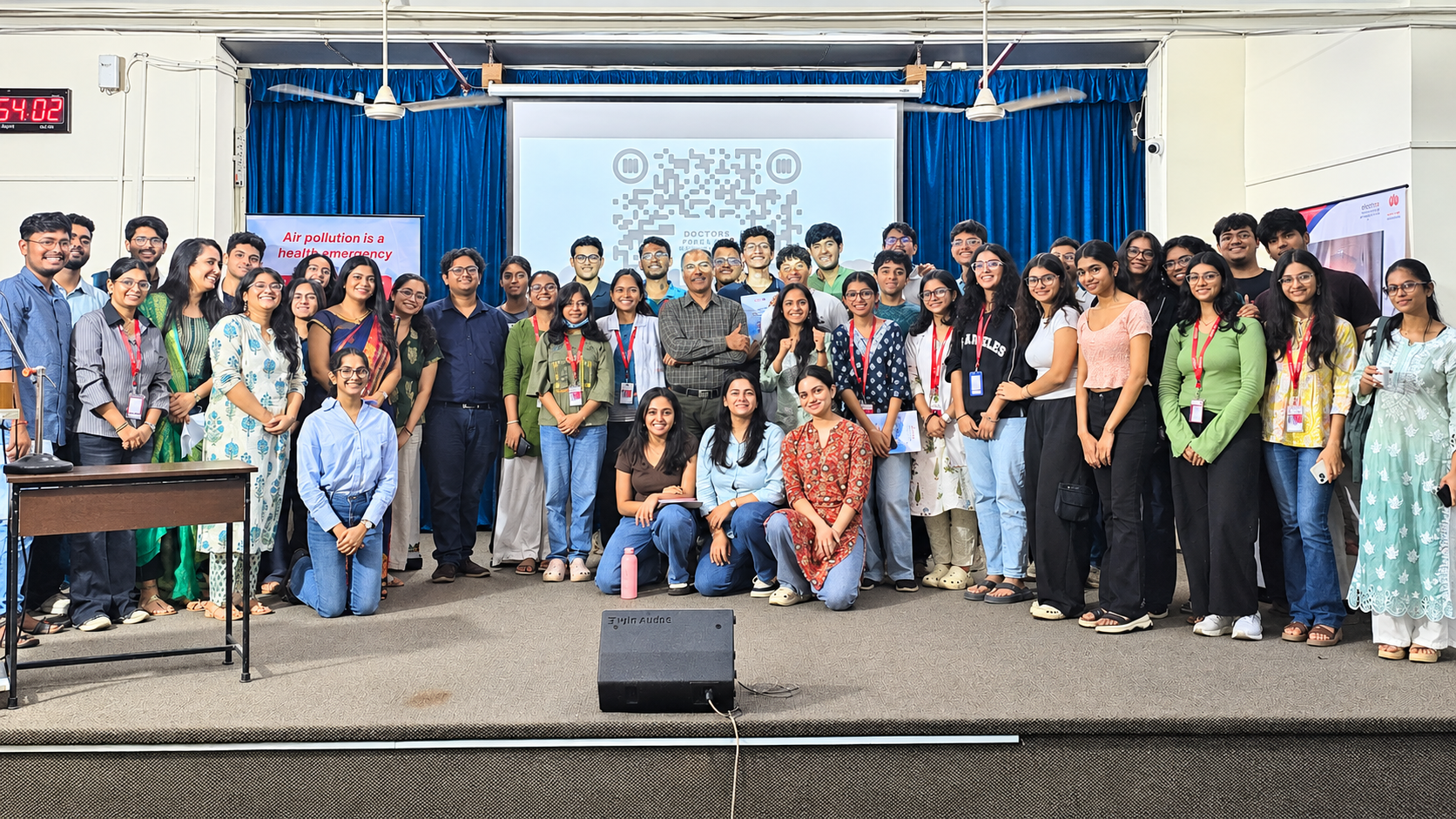
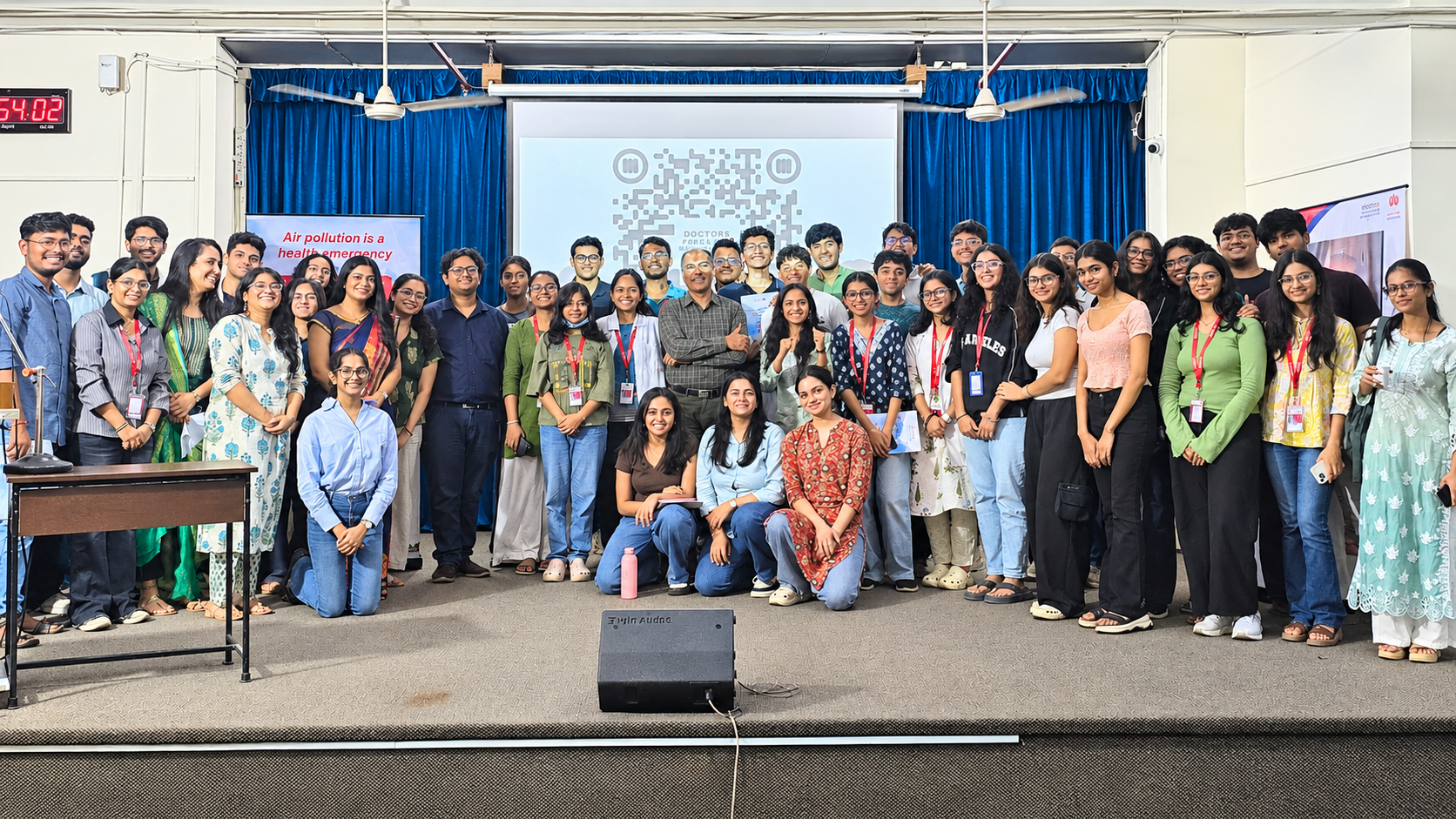
Mumbai, November 4, 2026: K J Somaiya Medical College, Hospital and Research Centre has conducted a workshop to train medical students on the health impacts of air pollution and climate change, bringing environmental health considerations into clinical education.
Titled Prescribing Clean Air: Training Health Professionals on Air Pollution & Climate Action, the workshop introduced 142 final-year MBBS students and six faculty members to the links between environmental exposure, disease patterns and patient health.
The programme was organised by Lung Care Foundation (LCF), in collaboration with Doctors for Clean Air and Climate Action (DFCA) and the Mumbai Forum for Clean Air (MFFCA). It was hosted by the Department of Obstetrics and Gynaecology, with Dr Pradnya Shetty serving as faculty coordinator.
Dr Mitali Nayak, Dean, K J Somaiya Medical College, Hospital and Research Centre, said, “Air pollution affects far more than respiratory health. It can increase cardiovascular risks and pose serious health concerns for pregnant women, newborns, and children. With rising pollution levels and recurring episodes of smog in our cities, healthcare professionals must recognise how the air people breathe can affect their health. Understanding a patient’s exposure to environmental pollutants can help healthcare professionals identify potential risks, offer relevant clinical advice and guide patients towards preventive measures. Recognising these environmental factors is an important step towards more informed and comprehensive patient care.”
The workshop explored how environmental exposure can affect different organ systems and contribute to respiratory, cardiovascular and neurological conditions, kidney-related health concerns, and maternal and newborn health risks.
In the first session, The Fifth Vital: Science of Air Pollution, Clinical Realities & the Future Doctor’s Role, Dr S. P. Mathew, Senior Consultant Physician and Co-Chairperson of the Mumbai Forum for Clean Air, discussed the health implications of pollutants such as nitrogen dioxide, sulphur dioxide, carbon monoxide and ozone. The session encouraged students to consider air quality as an important factor in patient assessment and preventive healthcare.
Emphasising the importance of clean air, Dr Mathew said, “Clean air is not an aesthetic privilege, nor is it a luxury for the few. Clean air is preventive medicine.”
Chinmayee Kator, State Consultant for Maharashtra at Lung Care Foundation, highlighted the connection between environmental conditions and patient outcomes. She said, “Air pollution and climate change are not abstract environmental issues. They shape who falls ill, how severe the illness becomes, and how well a patient recovers.”
The second session, From Physiology Practicals to Internship and Clinical Practice: Why Should You Care About Climate Change?, was led by Dr Salman Khan, Youth Engagement Consultant at ReAct Asia Pacific. It examined how rising temperatures, extreme weather events and changing ecological conditions can influence disease patterns and healthcare needs.
Discussions covered heat-related illnesses, respiratory and cardiovascular conditions, infections associated with environmental changes, malnutrition and health risks affecting mothers and children. Encouraging students to incorporate climate considerations into their medical learning, Dr Khan said, “One practical habit you should have as medical students whenever you study any of the subjects: ‘How does climate change affect this?’ That's how climate becomes part of clinical thinking, not an extra topic.”
To support the application of these learnings in clinical practice, participants received the DFCA Clean Air Prescription Toolkit. The resource covers the science of air pollution, indoor and outdoor sources, the Air Quality Index (AQI), and the short- and long-term health implications of exposure. It also provides guidance on taking an environmental history, communicating air-quality risks to patients and using local data to make preventive advice more relevant.
Participants received certificates and were invited to join the DFCA network of health professionals and take part in future MFFCA activities.
The workshop forms part of K J Somaiya Medical College, Hospital and Research Centre’s efforts to incorporate environmental health and climate-related risks into medical education, with a focus on preparing future doctors to consider environmental factors alongside conventional clinical assessments.