
KPIL Publishes First IFRS S2-Aligned Climate Risk Disclosure Report

Mumbai, November 27, 2026: Kalpataru Projects International Limited (KPIL) has published its first Climate Risks Disclosures Report for FY 2024–25, aligned with IFRS S2, the global standard for climate-related financial disclosures.
The report assesses climate-related risks and opportunities across KPIL’s operations and project locations. The company evaluated approximately 260 project locations and owned sites, grouped into 149 clusters, identifying 12 locations with high vulnerability to climate-related risks—11 in India and one in Mauritania.
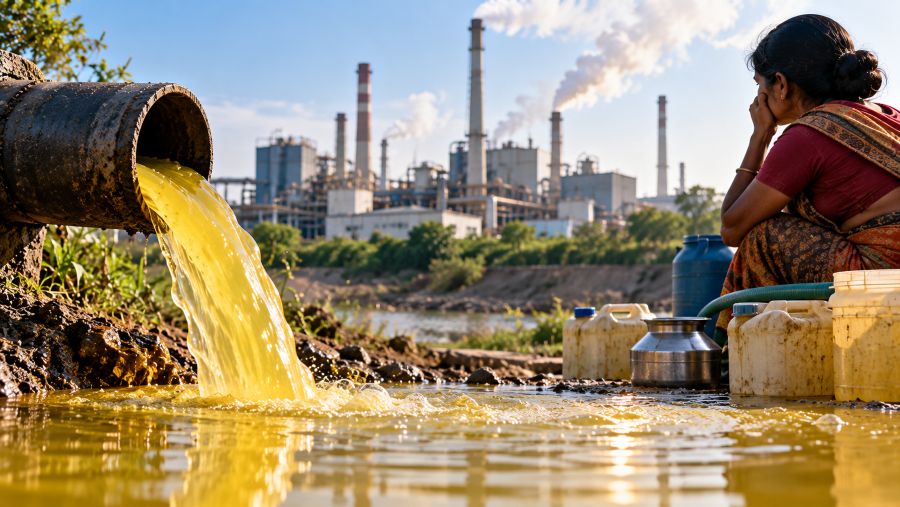
The key risks identified include heat stress, water stress, flooding, wildfires and cyclones. KPIL’s manufacturing facilities at Gandhinagar, Padampur, Uniara and Raipur also showed elevated exposure to heat and water stress under the most severe climate scenario.
The assessment examined physical risks under low- and high-emissions scenarios, as well as transition risks arising from changes in policies, technology and market conditions. It identified five physical risks and 11 transition risks, alongside opportunities in renewable energy, resource efficiency, sustainable products and services, and markets with lower climate exposure.
KPIL has set targets to achieve carbon neutrality by 2040, water neutrality by 2032 and advance circular economy practices by 2035. Its initiatives include a 3 MWp solar project at Uniara, which the company says avoids approximately 3,200 tonnes of CO₂e annually. Renewable electricity consumption increased to 51,655 GJ from 47,095 GJ. The company also reported harvesting more than 1.45 lakh kilolitres of rainwater, while all its manufacturing facilities maintained Zero Liquid Discharge status.
“Infrastructure is built to last decades, and climate risk will shape those decades. By publishing our first IFRS S2-aligned report, we are putting our Climate related risks and opportunities in front of investors, clients and communities. Transparency is the first step to resilience, and we intend to keep raising the bar,” said Mr. Amit Uplenchwar, Joint Managing Director and CEO (designate), KPIL.
“Climate risks vary across geographies and project sites, making it important to understand local vulnerabilities and build preparedness into our operations. The assessment helps us identify where risks such as heat stress, water scarcity and extreme weather could have a greater impact, allowing us to prioritise mitigation measures. Our focus is on translating these insights into practical action through resource efficiency, water conservation and renewable energy,” said Dr. Indranil Chakraborty, Head – EHS & Sustainability, KPIL.