
Haleon Launches Calcium Deficiency Project to Reach 20,000 Women in Indore
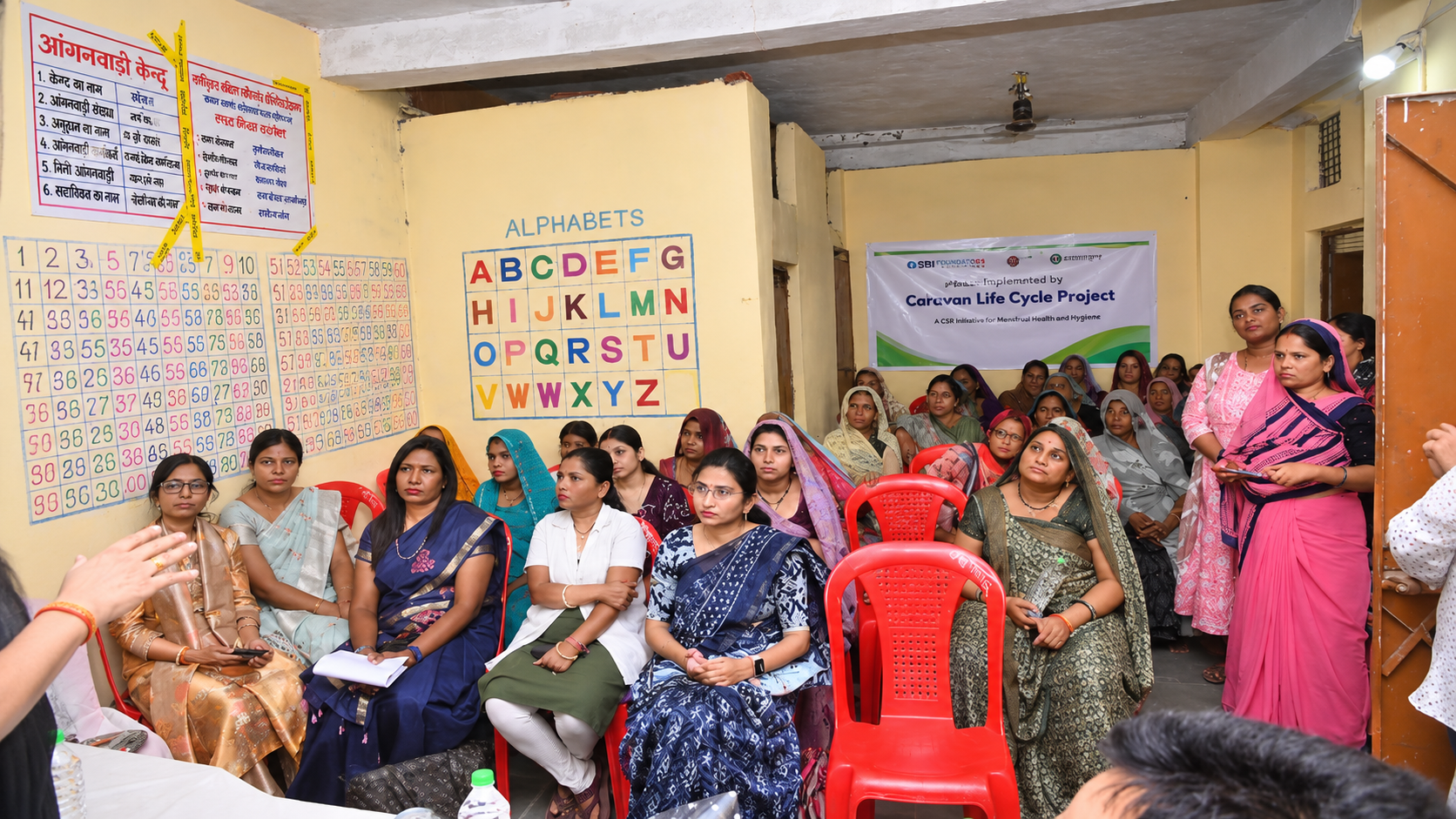
Indore, November 25, 2026: Haleon India, with support from Mamta HIMC, has launched the Calcium Lifecycle Project in Dhar district of Madhya Pradesh, with an aim to improve health awareness and support the early identification and management of calcium deficiency among women.
The initiative is expected to reach more than 20,000 women through 30 dedicated Anganwadi centres. It will focus on the nutritional and health needs of women across different life stages, including adolescents, pregnant and lactating women, and post-menopausal women.
The project brings together the Health, Education and Integrated Child Development Services (ICDS) Departments, working through existing community platforms such as Anganwadi Centres, Village Health and Nutrition Days, schools and frontline health-worker networks.
The initiative was jointly inaugurated in Pithampur by representatives of Haleon, senior officials from the Health and Women and Child Development Departments, Anganwadi and ASHA workers, and community stakeholders. The attendees included Vedika Kapoor, Head, Corporate Affairs & CSR, Haleon ISC; Shri Ram Niwas Bhadholia, District Programme Officer, Dhar (ICDS); and Sanjay Gaikwad, Child Development Programme Officer, Dhar District (ICDS).
During the inauguration, stakeholders discussed ways to strengthen calcium deficiency detection, referral mechanisms and linkages with government health facilities. The programme will use community awareness activities, symptom-based assessments and counselling on affordable, locally available calcium-rich foods to support early identification and timely intervention.
Women identified as high-risk or experiencing symptoms will be referred to designated health facilities for further assessment and testing. The project will also encourage healthier dietary practices and promote household Poshan Gardens as a source of nutrient-rich foods.
Calcium plays an important role in maintaining bone and dental health, muscle and nerve function, and overall wellbeing. However, inadequate dietary intake, limited awareness and low utilisation of preventive health services can increase the risk of calcium and vitamin D deficiency among women.
By adopting a lifecycle approach, the project seeks to address the changing nutritional needs of women at different stages of life. Its integration with existing government systems and community networks is intended to strengthen local capacity and support sustained improvements in women's health outcomes.






.png)

.png)