
LIXIL Targets Sanitation Access for Next 100 Million People by 2031
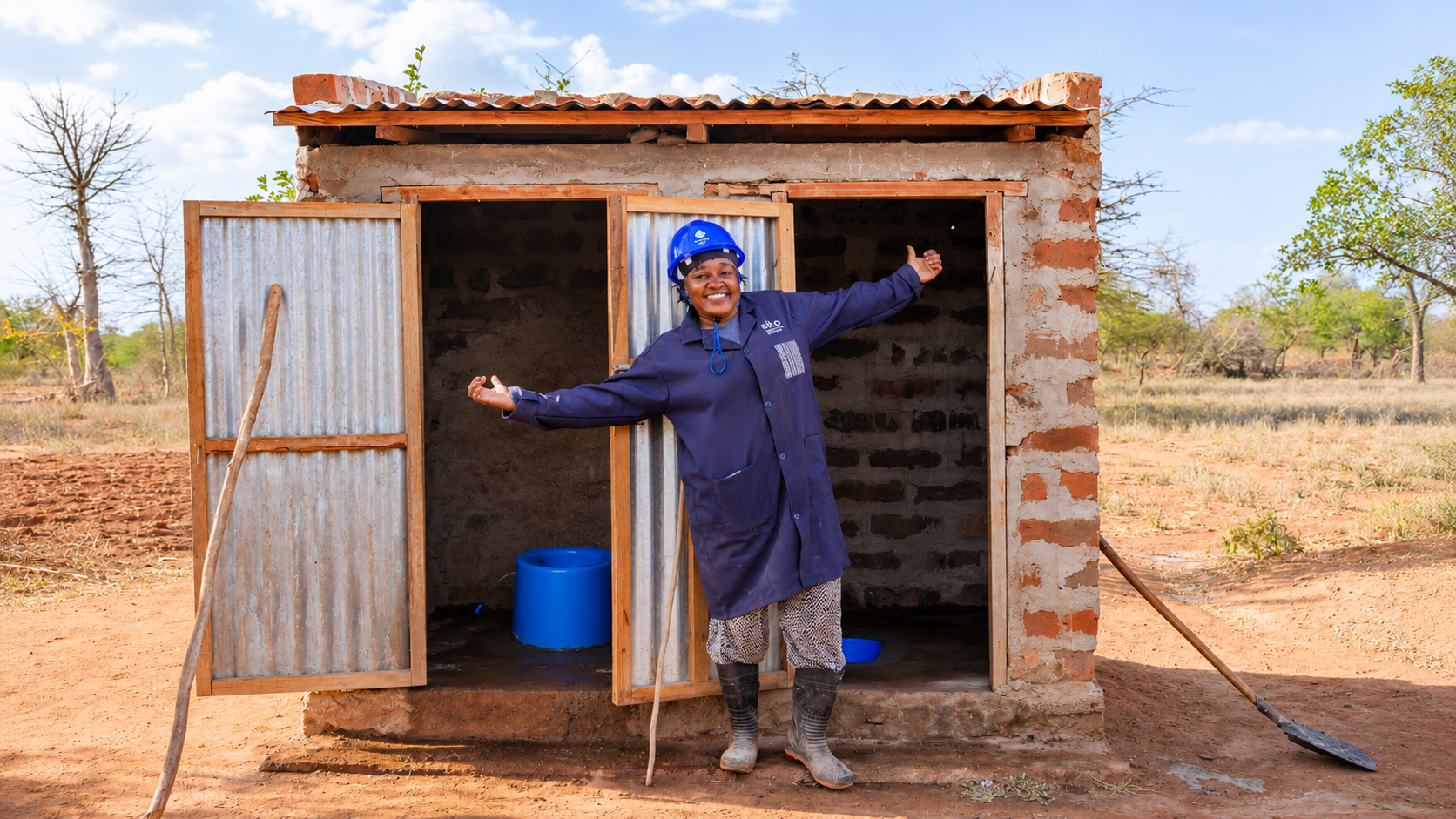
New Delhi, November 25, 2026: LIXIL Corporation has reaffirmed its commitment to improving access to sanitation and hygiene for an additional 100 million people by the fiscal year ending March 2031 (FYE2031). Marking World Toilet Day on November 19, the company also called for greater collaboration among governments and partners to address the global sanitation challenge.
The commitment follows LIXIL's earlier milestone of improving sanitation access for more than 100 million people through its social business, SATO. The company is now expanding its efforts to include communities affected by humanitarian crises, climate-related disasters and geopolitical conflicts.
According to the release, approximately 3.4 billion people worldwide still lack safely managed sanitation. LIXIL is seeking to address this gap by combining emergency relief with locally managed and financially sustainable sanitation services, referred to as "Sanitation Economies".
Over the past year, the company has undertaken initiatives across several countries. In August 2026, it launched an emergency displacement support initiative in Sudan's Blue Nile State in partnership with the United Nations Development Programme (UNDP).
In Japan, LIXIL has been advancing disaster preparedness through the provision of mobile sanitation equipment and coordination with municipalities. Its Resilient Toilets are designed to maintain hygienic flushing functionality with as little as one litre of water during supply disruptions. The company's mobile toilet facility, with CUBE, originally developed for emergency relief, is also being deployed at industrial manufacturing sites to address sanitation shortages.
In Kenya and Malawi, LIXIL is working with the Japan International Cooperation Agency (JICA) under a Memorandum of Understanding to develop climate-resilient and inclusive water, sanitation and hygiene (WASH) services. In Kenya, the partnership aims to provide market-based WASH services for refugees and host communities around the Kakuma refugee camp, in alignment with the government's Shirika Plan. In Malawi, the partners are deploying WASH solutions designed to withstand prolonged flooding.
Highlighting the need for locally sustainable sanitation systems, Akihiko Tanaka, President of JICA, said: "It has also become clear that providing infrastructure alone does not lead to sustained hygiene practices, highlighting the urgent need to create mechanisms that function sustainably on the ground. This partnership with LIXIL brings together JICA's strengths in building institutional frameworks and working closely with governments with LIXIL's expertise in product development, market creation, and business expansion in the field. By doing so, we aim to move beyond conventional aid approaches and realize a 'Sanitation Economy' where sanitation services can be sustained locally."
Priya Rustogi, Leader (Managing Director), India, LIXIL IMEA, said, “Access to sanitation cannot be measured by the availability of infrastructure alone. It depends on whether solutions are affordable, accessible and supported by local ecosystems that can sustain them over time. In India, strengthening rural economies and enabling local enterprise are important to building more inclusive and resilient communities. Through SATO, we have seen how local manufacturing, distribution partnerships, retail networks and community engagement can work together to take sanitation solutions closer to the people who need them, while creating opportunities for local businesses and livelihoods. As demand and aspirations evolve, strengthening these last-mile networks and enabling local businesses will be critical to widening access. This is the foundation of a sustainable sanitation economy: one where access creates local opportunity, and local participation helps ensure that progress endures.”
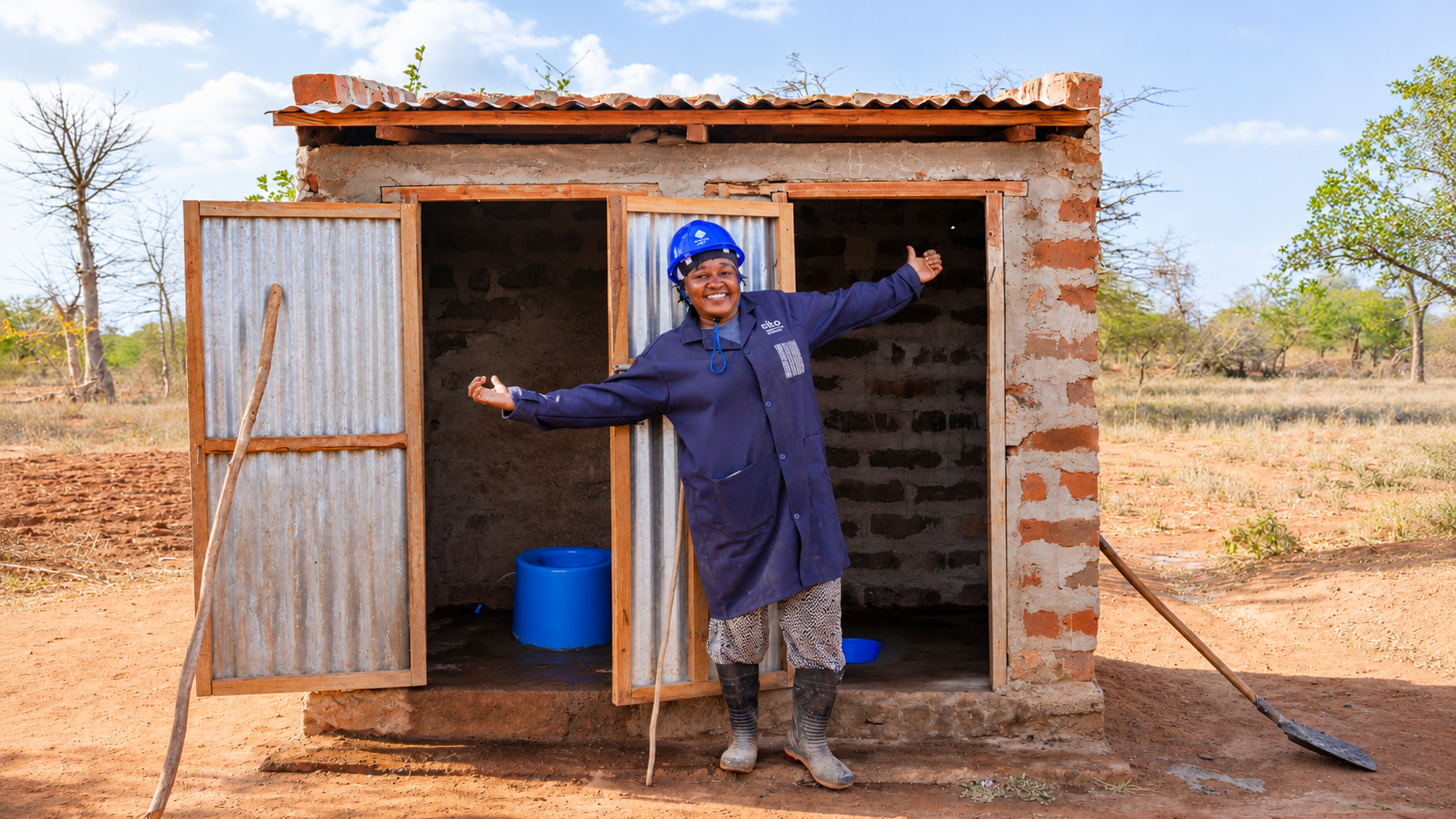
LIXIL's approach also includes product innovations such as the SATO Pan, which uses less than one litre of water and is designed to seal away odours and insects. The company said its sanitation initiatives are guided by an approach that combines engineering, hygiene and accessibility.
The company is seeking to expand partnerships with governments, non-profit organisations and businesses to extend sanitation access and build locally sustainable systems. Its next 100 million target builds on its existing work through SATO and its efforts to strengthen sanitation services in communities facing both everyday infrastructure gaps and emergency situations.






.png)
.png)