
NIIT Foundation Outlines Outcome-Focused Skilling Roadmap for FY 2026–27
New Delhi, May 11, 2026: NIIT Foundation has announced an outcome-driven skilling strategy for FY 2026–27, following a year of expanded outreach that covered 84% of India’s districts and certified over 3.2 million students in FY 2025–26.
The organisation stated that its next phase will prioritise measurable outcomes such as employability, financial capability, and entrepreneurship, while strengthening training in emerging domains including artificial intelligence, cybersecurity, and digital literacy.
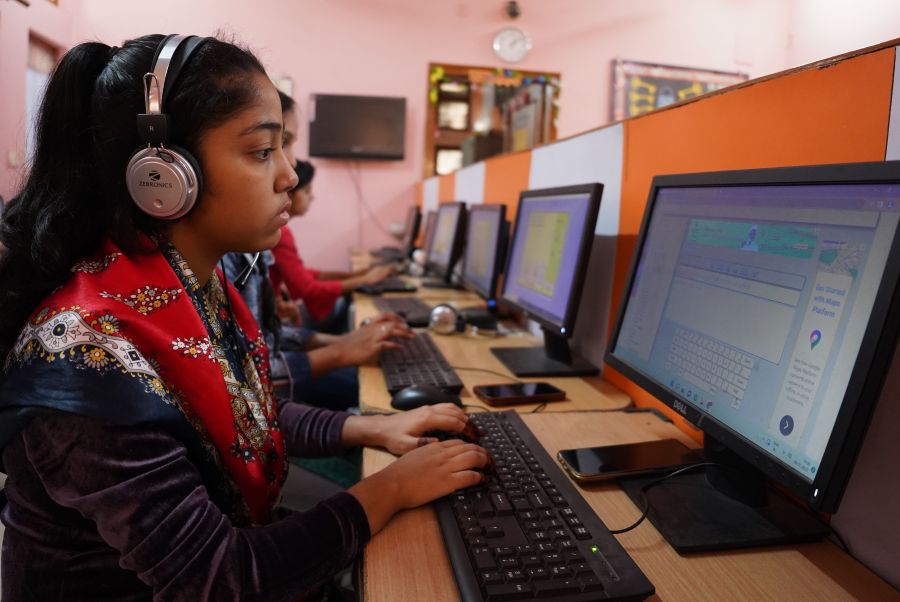
Operating across 28 states and three Union Territories, the foundation has reached over 13.3 million beneficiaries through its network of 45 Career Development Centres, 45 Skill Development Centres, 19 Digital Buses, and 56 Hole-in-the-Wall Education Limited learning stations. These platforms support digital and self-learning access, particularly for underserved communities.
During FY 2025–26, the foundation expanded its presence to more than 90 aspirational districts and strengthened partnerships with 292 colleges and 13 government bodies. Nearly 100,000 students secured job placements during the year, while an equal number of beneficiaries received financial literacy training. Additionally, over 60,000 children were supported through HiWEL learning stations.
A key collaboration during the year was with NITI Aayog, focusing on improving digital capacity and financial inclusion at the grassroots level in aspirational districts.
Looking ahead, the foundation plans to align its skilling initiatives more closely with long-term income generation and employment opportunities, particularly in underserved regions.
Ms. Charu Kapoor, Country Director, NIIT Foundation, said, “FY 2025-26 has reaffirmed our belief that scale must ultimately translate into meaningful outcomes.”
“As we expand our footprint and partnerships, our focus remains on creating pathways that lead to employability, financial capability and long-term learning,” Ms. Kapoor added.
The foundation indicated that it will continue investing in future skills, digital inclusion, and technology-enabled learning models to keep pace with evolving industry requirements.