From the Brink of Extinction to a Conservation Model: How the Giant Panda Recovered and What India’s CSR Sector Can Learn
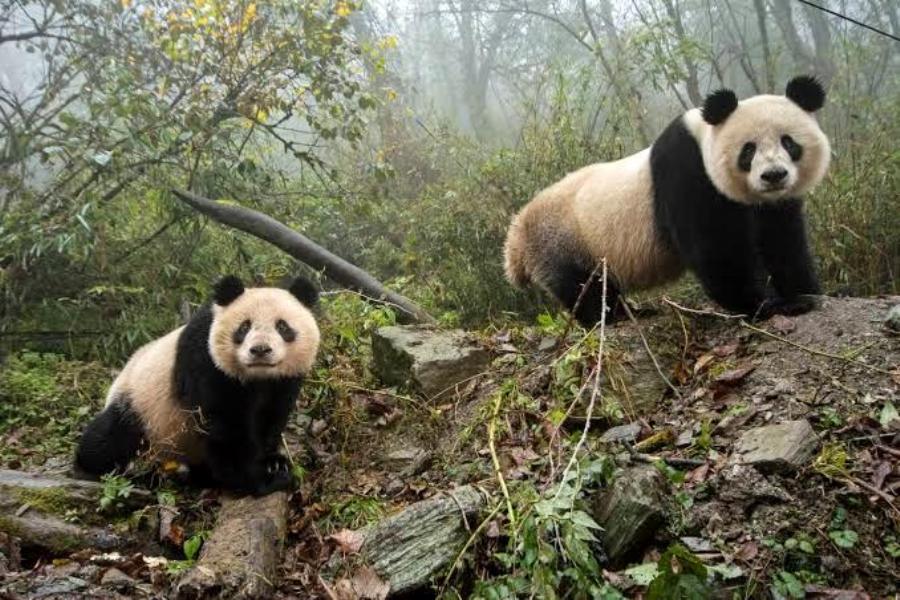
At a time when global biodiversity is declining at unprecedented rates, the giant panda offers a rare and scientifically documented success story. Once at serious risk of extinction, this iconic bear has moved from the Endangered category to Vulnerable on the International Union for Conservation of Nature Red List. This shift reflects decades of structured conservation backed by government policy, ecological science and sustained funding. The recovery of the giant panda provides valuable lessons for wildlife conservation worldwide, including for India’s corporate social responsibility ecosystem.
A Species in Peril
In the late twentieth century, the giant panda, scientifically known as Ailuropoda melanoleuca, faced severe decline. Rapid deforestation, agricultural expansion and infrastructure development across China’s mountainous regions fragmented bamboo forests, which make up nearly the entire diet of the species. Habitat fragmentation isolated panda populations, limiting breeding opportunities and genetic diversity. Poaching and human encroachment added further pressure.
By the early 1980s, the wild panda population was estimated at just over 1,100 individuals. The species had already lost a large portion of its historical range and was widely regarded as one of the most endangered large mammals in the world.
The Turning Point in Conservation
The shift in the panda’s trajectory began with strong governmental intervention and science driven conservation planning. China strengthened wildlife protection laws, imposed logging bans in key habitats and introduced strict anti poaching enforcement. These policies laid the regulatory foundation necessary for recovery.
One of the most significant steps was the creation and expansion of protected areas. China established 67 dedicated panda reserves that now protect a substantial portion of the species’ habitat and safeguard nearly two thirds of the wild panda population. These reserves also conserve broader mountain ecosystems, protect watersheds and benefit numerous other plant and animal species.
According to the Fourth National Giant Panda Survey conducted by Chinese authorities, the wild panda population reached approximately 1,864 individuals by 2014. This represented an increase of about 16.8 percent compared to the previous survey. Based on this verified population growth, the International Union for Conservation of Nature reclassified the species from Endangered to Vulnerable in 2016. The change did not mean the panda was safe, but it confirmed that conservation efforts were reversing the decline.
Science and Adaptive Management
The panda’s recovery has been deeply rooted in scientific monitoring and adaptive management. Regular population surveys, habitat mapping and genetic studies helped conservationists refine their strategies over time.
Efforts were made to restore bamboo forests and reconnect fragmented habitats through ecological corridors. These corridors allow pandas to move between isolated forest patches, increasing genetic exchange and reducing inbreeding risks. Habitat restoration programs strengthened ecosystem resilience and improved long term survival prospects.
Captive breeding programs also improved through advances in reproductive science. However, conservation authorities consistently prioritised maintaining healthy wild populations over reliance on captive animals.
Community Integration and Sustainable Livelihoods
Another crucial factor in panda conservation has been the integration of local communities. Earlier conservation models often created friction by restricting access to forest resources without providing alternatives. Over time, authorities introduced livelihood programs that reduced dependence on logging and unsustainable land use.
Ecotourism, sustainable agriculture and community based forest management initiatives helped align economic incentives with conservation goals. When local populations benefit economically from conservation, long term stewardship becomes more viable.
Continuing Vulnerability and Climate Risks
Despite measurable progress, the giant panda remains classified as Vulnerable. The species occupies less than one percent of its historical range and continues to depend heavily on bamboo forests that are sensitive to environmental change.
Climate change presents a growing threat. Scientific projections indicate that shifts in temperature and rainfall patterns could significantly reduce suitable bamboo habitat in the coming decades. Infrastructure development and land use pressures also continue to fragment landscapes. Continued monitoring and adaptive management remain essential to sustaining recovery.
Lessons for India’s CSR Industry
India is home to globally significant biodiversity hotspots such as the Himalayas, the Western Ghats and the Sundarbans. It also shelters endangered species including the Bengal tiger, Asian elephant and Gangetic river dolphin. The giant panda’s recovery offers several strategic lessons for India’s CSR sector.
First, conservation must be science driven. CSR investments should be guided by ecological data, baseline assessments and measurable impact indicators. Partnerships with research institutions and wildlife experts can ensure funds are directed effectively.
Second, efforts should focus on landscape level conservation. Restoring wildlife corridors, protecting river basins and strengthening forest connectivity can create systemic ecological resilience rather than isolated gains.
Third, community participation is critical. CSR initiatives that support sustainable livelihoods, skill development and eco tourism can reduce pressure on fragile ecosystems while enhancing local incomes.
Fourth, transparent impact measurement is essential. Just as panda recovery was validated through rigorous surveys, CSR conservation projects should track indicators such as habitat restored, species population trends and reductions in human wildlife conflict.
Finally, conservation requires long term commitment. The panda’s recovery unfolded over decades, not funding cycles. CSR strategies must therefore prioritise sustained engagement rather than short term campaigns.
A Blueprint for Hope
The recovery of the giant panda demonstrates that extinction is not inevitable when science, governance, community engagement and sustained funding converge. It stands as one of the most data backed examples of species recovery in modern conservation history.
For India’s corporate sector, the lesson is clear. Biodiversity conservation is not separate from development. It underpins climate resilience, water security and sustainable economic growth. By aligning CSR investments with scientific evidence and community empowerment, India can help create its own conservation success stories.
The giant panda survived because institutions chose persistence, policy reform and measurable accountability over resignation. With similar resolve, more species across the globe can move away from the brink and toward recovery.