
Building an Inclusive Hospitality Workforce: Ananth Narayan on NRAI Bengaluru’s Vision
.png)
A stronger hospitality industry begins when every individual gets a fair chance to participate, contribute and grow. As the restaurant sector evolves, inclusion, employee well-being and workplace safety are becoming increasingly important to building a more responsible and future-ready workforce.
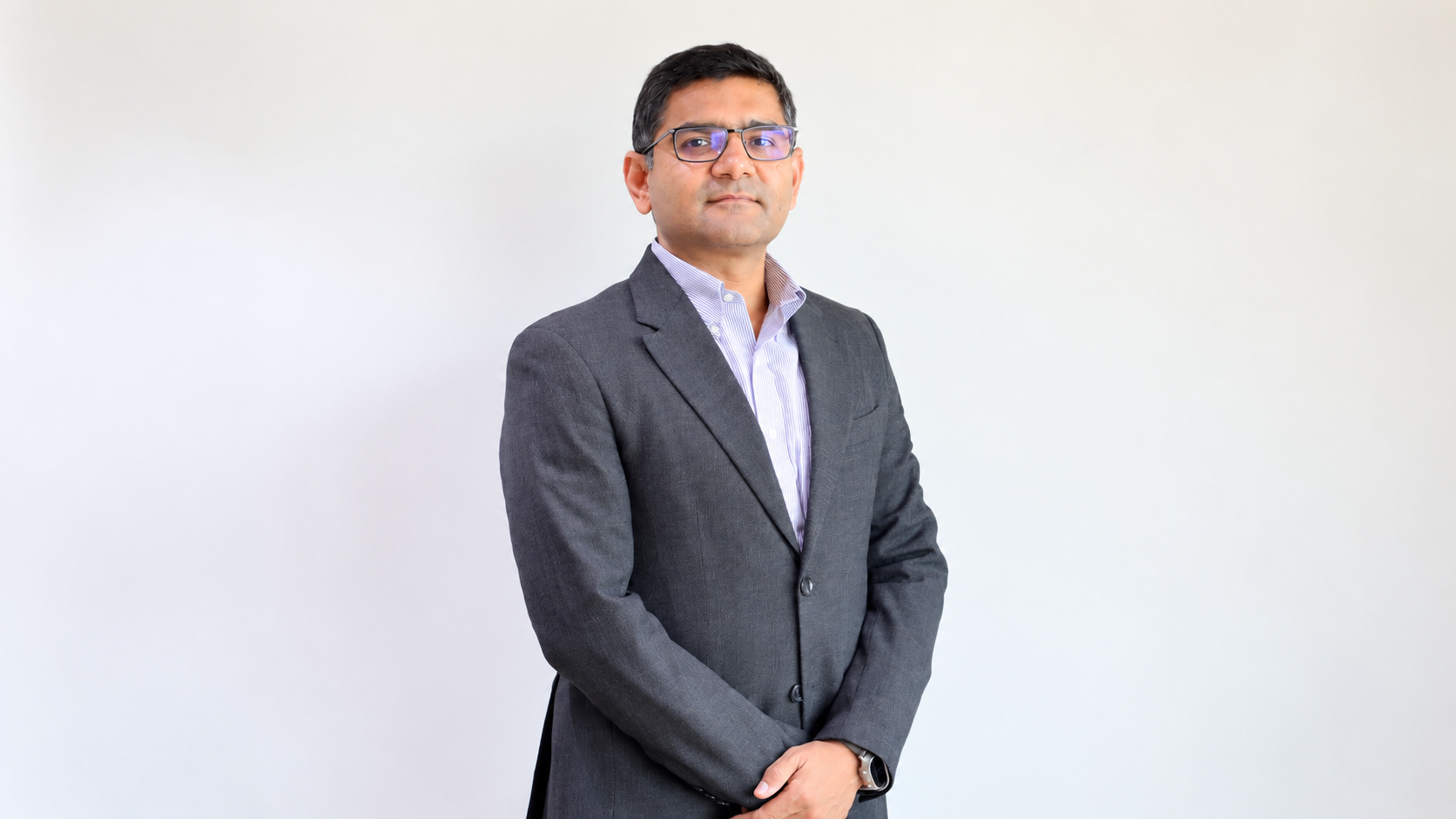
In this interview, Ananth Narayan, Bengaluru Chapter Head, National Restaurant Association of India (NRAI), and Founder, JustBLR, discusses the Chapter’s collaboration with Mitti Café to promote inclusive employment opportunities for persons with disabilities across the hospitality sector.
He explains the vision behind the partnership, the practical steps restaurants can take to adopt inclusive hiring, and the workplace changes needed to create accessible and supportive environments. The conversation also explores the importance of POSH awareness, employee safety and responsible workplace practices in strengthening the restaurant industry.
Narayan further shares how collaborations between industry associations, social organisations and restaurants can help turn inclusion from an idea into sustained employment opportunities. He also reflects on the changing mindset within the hospitality sector and the Bengaluru Chapter’s vision of building a more inclusive, professional and future-ready workforce.
Scroll down to read more:
Q. The collaboration with Mitti Café reflects a strong commitment to inclusive hiring. What was the vision behind this partnership, and what gap were you aiming to address through it?
A. The restaurant industry is fundamentally a people-driven industry, and Bengaluru, in particular, has a very diverse and dynamic hospitality workforce. Our vision through this engagement with Mitti Café was to take the conversation around inclusion beyond awareness and create actual employment opportunities.
We recognised that there is trained and capable talent among persons with disabilities, but there is often a gap between this talent and mainstream employment opportunities. Through this collaboration, we wanted to create a stronger connection between trained talent and our member restaurants, while encouraging businesses to make their workplaces more accessible and open to people with different abilities.
For us, the larger objective is to demonstrate that inclusive hiring can be a structured part of building a stronger restaurant business, rather than being treated as a standalone social initiative. If we can help more restaurants recognise the value of diverse talent and create the right environment for people to contribute and grow, that would be a meaningful step forward for the industry.
Q. How do you see inclusive employment contributing to the long-term growth and resilience of the restaurant industry?
A. I believe inclusive employment can play an important role in strengthening the restaurant industry's talent pool. We are a sector that offers a wide range of roles, and there is an opportunity to bring many more capable people into the workforce if we are open to looking beyond conventional hiring practices.
For restaurants, it is also about building stronger and more diverse teams. When businesses provide the right training and support, employees can contribute effectively and grow within the organisation. This helps create more stable teams and gives businesses access to talent that they may otherwise overlook.
Over the long term, a strong restaurant industry needs a strong and diverse talent pool. Inclusive employment can help us bring more people into the workforce, create meaningful career opportunities and make businesses better equipped to respond to changing workforce needs. That is an important part of building a resilient industry.
Q. Many restaurants are interested in inclusive hiring but may not know where to begin. What practical steps would you recommend for businesses looking to build a more diverse workforce?
A. The first step is to understand the different roles within the restaurant and identify where an individual's skills can add value. Restaurants have opportunities across the kitchen, service, back-end operations and support functions, and these should be looked at based on the requirements of the role.
The next step is to work with organisations that have experience in training and placing people with disabilities. This gives restaurants access to trained candidates while also helping them understand how best to support and integrate them into the workplace.
It is equally important to prepare the existing team. Managers and colleagues need to understand how to work effectively with diverse talent and create a comfortable working environment. Businesses should also look at their onboarding, training and basic accessibility requirements.
The important thing is to make inclusive hiring part of the regular hiring process, rather than treating it as a one-time initiative. That is how it can become a meaningful and sustainable part of the business.
Q. Beyond creating employment opportunities, this initiative also focuses on workplace accessibility and equal opportunity. What changes do you believe restaurants need to make to create truly inclusive work environments?
A. Creating an inclusive workplace requires restaurants to look at both the physical environment and the way people work within the organisation. Depending on the role and the individual's requirements, businesses may need to make changes to accessibility, communication, workplace layouts or certain work processes.
But the larger change must come from the workplace culture. Employees should feel comfortable asking for support, should have equal access to training and development, and should be evaluated fairly on their work and contribution.
This also requires managers to be more aware and sensitive to the needs of different employees. Leadership has an important role to play in setting that tone. Inclusion should be reflected in everyday workplace practices, not just in the hiring process.
Q. The POSH awareness session was another important part of the industry meet. Why is it important for restaurants to invest in employee awareness and strong workplace policies alongside business growth?
A. A responsible business has to look beyond revenue and expansion. It has to create an environment where people feel safe, respected and valued. This is particularly important in the restaurant industry, which has large, diverse teams working across different shifts and functions.
POSH awareness is therefore not just about statutory compliance. Employees need to understand what constitutes inappropriate behaviour, what their rights are and what channels are available to them. At the same time, management has to ensure that these policies are understood and implemented consistently.
For us, workplace safety and business growth are not two separate priorities. A business cannot build a strong and sustainable workforce if its employees do not feel secure and respected. Creating a professional and safe workplace is an important part of building a successful business.
Q. From your interactions with restaurant owners and operators, what has been the response to initiatives around inclusion and workplace safety? Have you seen a shift in industry mindset in recent years?
A. Yes, there is a noticeable shift in the way the industry is approaching these conversations. Restaurant operators are increasingly recognising that employee well-being, workplace culture and responsible employment practices have a direct impact on retention, productivity and the ability to build strong teams.
What is encouraging is that the conversation is moving beyond compliance. More businesses are asking how these practices can actually be incorporated into their day-to-day operations and sustained over time.
There is still considerable scope to take this forward, particularly among smaller and growing businesses, but the openness to learning is certainly stronger today. As an industry association, we see our role as creating opportunities for our members to learn from experts, share experiences and understand how these practices can work within their businesses.\
Q. Collaboration has been central to this initiative. How have partnerships with organisations like Mitti Café and other stakeholders helped strengthen and expand your efforts?
A. Industry-wide change requires collaboration. NRAI can bring restaurant owners and operators together, but organisations such as Mitti Café bring specialised experience in training, employment and workplace inclusion. Bringing these strengths together makes the initiative much more practical.
Our earlier interaction with Alina Alam and the Mitti Café team was particularly valuable because it gave our members an opportunity to understand inclusive employment through a real and successful example. The current collaboration builds on that experience by creating a more direct pathway for our member restaurants to explore employment opportunities.
Going forward, we would like to see more restaurants, training organisations and other stakeholders come together around this. The objective is to make it easier for restaurants to understand where they can begin and how they can create meaningful, sustainable opportunities.
Q. What do you hope this initiative will encourage across the wider restaurant and hospitality industry, and what would success look like for the NRAI Bengaluru Chapter over the next few years?
A. I would like this initiative to encourage restaurants to look at inclusion as part of their long-term approach to talent and people, rather than as a one-time initiative. The restaurant industry has the ability to create employment at scale, and we should use that ability to create opportunities for a wider pool of talent.
For NRAI Bengaluru, success will ultimately be about seeing more restaurants take this forward in their own businesses - whether through inclusive hiring, making workplaces more accessible or strengthening policies around employee safety and equal opportunity.
If, over the next few years, more of our member restaurants are able to create sustained employment opportunities for people with disabilities and provide them with the opportunity to build meaningful careers, that would be a strong measure of success.
Bengaluru has always been a progressive and entrepreneurial restaurant market. We would like the city to also set a strong benchmark for building a more inclusive, professional and future-ready hospitality workforce. That is the larger vision we are working towards.
.png)
.jpg)