
Punjab Development Commission and Bahaar Foundation Launch ‘Sehat Sevika’ Pilot for Women-Led Rural Healthcare
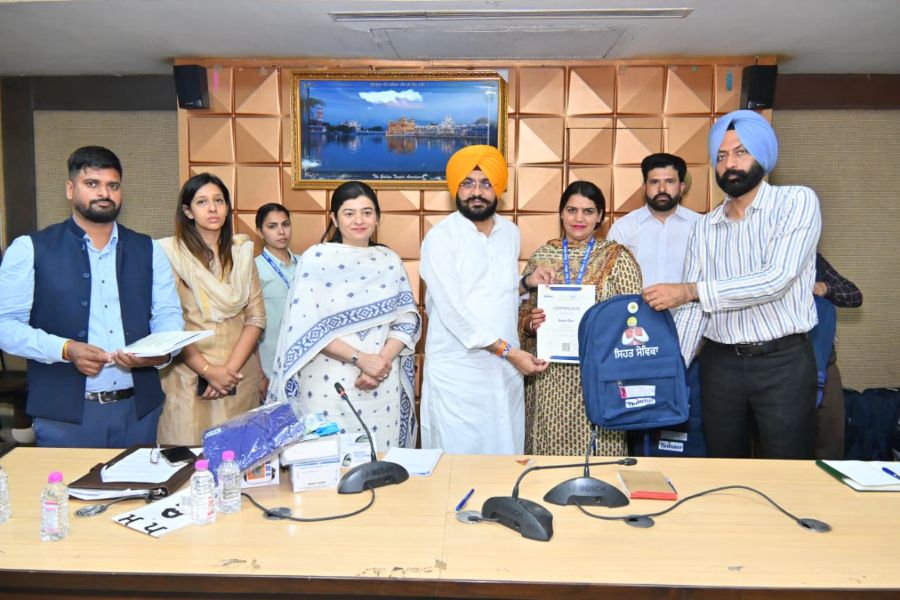
Mohali, March 12, 2026: The Punjab Development Commission (PDC), in partnership with Bahaar Foundation, has launched the Sehat Sevika programme, a pilot initiative aimed at strengthening last-mile healthcare access while promoting women-led entrepreneurship in rural Punjab. The programme seeks to train and deploy women community health entrepreneurs who can deliver essential healthcare services in villages.
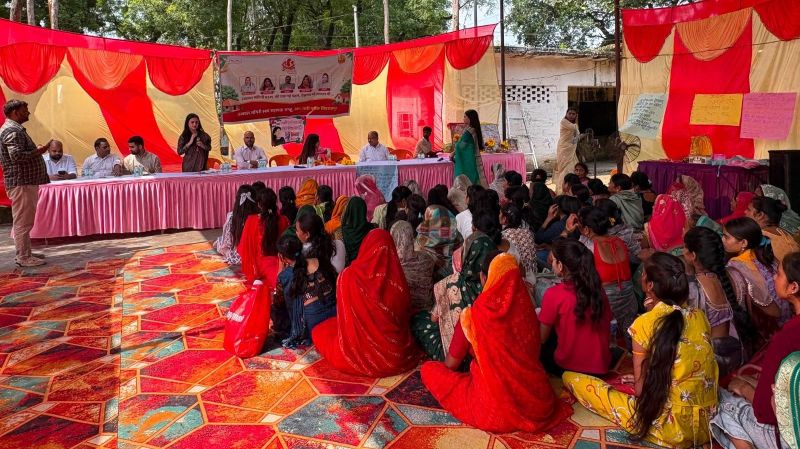
The initiative began in January 2026 with an initial cohort of 100 Sehat Sevikas in Rupnagar district. The pilot will help assess the effectiveness of the community-based healthcare model, with insights expected to guide a phased expansion to other districts in the state.
The programme focuses on addressing healthcare access challenges in rural areas, particularly for elderly residents and underserved communities. Trained Sehat Sevikas will provide basic health support, screening services and care assistance at the village level while also creating livelihood opportunities for rural women.
Speaking on the initiative, Shri Tarunpreet Singh Sond, Hon’ble Minister of Rural Development & Panchayati Raj, Government of Punjab, said, “With changing family structures and increasing migration, many elderly people in our villages require regular care and support. Through the Sehat Sevika programme, trained women from the community will be able to provide basic health support and caregiving services to those who need it the most. Programmes like this reflect our commitment to promoting women-led livelihood opportunities while ensuring that essential healthcare services reach every household in rural Punjab.”
The implementation of the programme will be supported by a dedicated Project Management Unit (PMU) embedded within the Punjab Development Commission to oversee training, monitoring and coordination. The Indian School of Business (ISB), Mohali will conduct an independent impact assessment of the initial 100-village pilot to generate evidence and insights for future scaling.
Ms. Seema Bansal, Vice Chairperson, Punjab Development Commission, said, “Government of Punjab is extremely excited and hopeful of seeing this idea succeed. Providing healthcare and supporting rural women entrepreneurship are both ideas that are top priorities for the Government. Rural Sehat Sevikas bring these priority agenda items together seamlessly. Bahaar Foundation brings a lot of experience as well as commitment to this effort. If the pilot demonstrates strong outcomes, the programme has the potential to be scaled across districts and villages in Punjab over time, creating a large network of trained women health entrepreneurs.”
The Sehat Sevika model has previously shown impact in states such as Chhattisgarh and Uttar Pradesh, where trained women have supported community health services while generating additional income for their families.
Under the programme, Sehat Sevikas will provide services including screening and monitoring for conditions such as anaemia, hypertension and diabetes, first aid and urgent care support, telehealth facilitation, referrals, preventive healthcare guidance, vision screening and support for elderly or home-bound individuals.
Ms. Meena Ganesh, Chairperson, Bahaar Foundation, said, “With its strong rural base and industrial ecosystem, Punjab presents a unique opportunity to demonstrate how last-mile healthcare access and women’s economic empowerment can advance together at scale. Our experience in other states shows that when women are equipped with the right skills, tools, and institutional backing, they transform health access in their communities while strengthening their own economic resilience. We look forward to working with the Punjab Development Commission to learn from the pilot and build a model that can grow sustainably across the state.”
The Sehat Sevika programme integrates certified training, digital enablement through Bahaar Foundation’s SAATH platform, and partnerships with government and development stakeholders to ensure sustainability. The initiative also invites CSR organisations, healthcare partners and philanthropic institutions to join an Impact Coalition supporting the programme’s expansion across Punjab.