
Capgemini Transitions to Bio-CNG in India to Advance Sustainable Operations
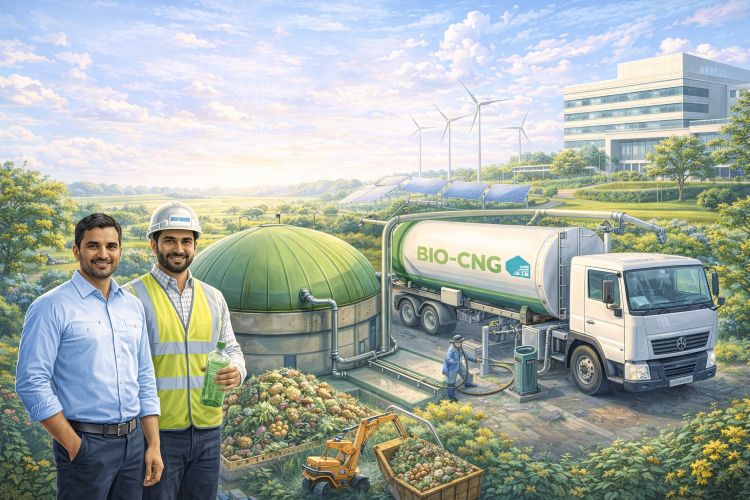
Mumbai, March 18, 2026: Capgemini has transitioned its cafeteria kitchens across offices in India from Liquefied Petroleum Gas (LPG) to Bio-CNG (biogas), as part of an initiative implemented in 2024 to strengthen its sustainable operations and reduce reliance on fossil fuels.
Bio-CNG is a renewable fuel produced from organic waste through anaerobic digestion, where biodegradable material is converted into methane-rich gas and processed for commercial use. The transition has been supported by dedicated gas bank infrastructure, ensuring safe and seamless adoption across campuses.
By shifting to Bio-CNG, Capgemini aims to create a cleaner and more sustainable energy model for its cafeteria operations. The initiative also supports a circular economy approach, where organic waste is converted into usable energy, reducing environmental impact and improving resource efficiency.
The move is aligned with Capgemini’s broader environmental commitments, focusing onintegrating sustainability into day-to-day operations and reducing its overall carbon footprint.
In India, Capgemini’s facilities already operate on 100% renewable electricity, reflecting its continued progress toward cleaner energy use. The company has also implemented its Energy Command Center (ECC), a digital platform leveraging IoT to monitor and optimise energy consumption across campuses.
Capgemini’s Bengaluru campus has been recognised as the first corporate campus in India to achieve the ‘Net-Zero Energy – Platinum’ certification from the Indian Green Building Council (IGBC), for generating as much energy as it consumes. Additionally, its campuses in Hinjewadi, Talawade and Airoli have also received IGBC Net Zero Energy Platinum certification for their energy performance and use of renewable power.
Through initiatives such as Bio-CNG adoption, Capgemini continues to advance low-carbon operations and sustainable infrastructure, while contributing to broader climate and energy transition goals.