Young Changemaker: Inspiring Girls in Sport
Great sporting journeys often begin quietly, long before medals, rankings or recognition enter the picture. They begin with curiosity, with hours of practice that few people see, and with families willing to reshape their lives around a child’s dream. In India, where young athletes often navigate limited infrastructure and resources, the road to excellence is rarely straightforward. Yet it is along this path that some of the country’s most determined champions are emerging.
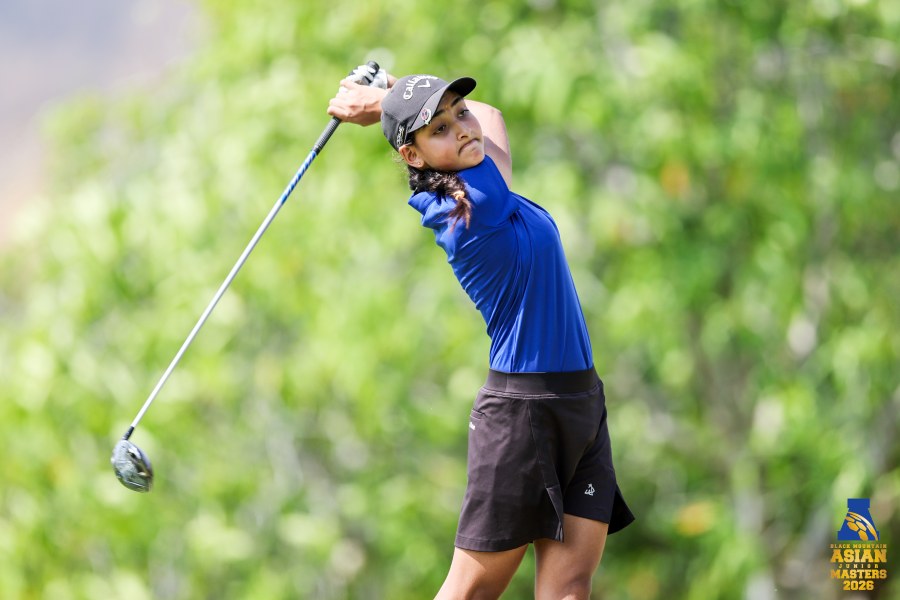
Fourteen year old Shiksha Jain, a Jaipur based junior golfer currently ranked among the top two players in India in her age category, is one such athlete. With more than 110 national titles across leading junior tournaments already to her name, her rise reflects not just talent but remarkable discipline at a young age. Behind these achievements lies a deeper story of persistence and sacrifice, including her family’s decision to relocate in search of better golf training facilities.
For India’s growing ecosystem of corporate social responsibility, supporting young athletes like Shiksha is not simply about funding sport. It is about investing early in talent that has the potential to represent the country on the global stage.
In this conversation, Shiksha reflects on her journey in golf, the resilience the sport demands, and the long road she is walking towards her dream of representing India at the 2028 Olympics.
Read the full interview below to learn more about her journey.
Q&A
Q. How did your journey with golf begin? What first drew you to the sport?
A. My journey began very organically. I was born in Surat, Gujarat, and as a child I was always drawn to sports that required focus and skill. When I first saw golf, I was fascinated by how it combines discipline, patience, and strategy—every shot is a new decision, and you have to stay calm and present. The sport also taught me early on that small improvements every day create big results over time. That feeling of learning, improving and challenging myself is what drew me to golf and what continues to keep me deeply committed to it.
Q. You’ve won over 110 tournaments at just 14. What has kept you so focused and disciplined through the years?
A. For me, discipline comes from having a clear purpose and a routine. I love the process of becoming better—not only winning. I stay focused because:
• I set small goals for every week and every tournament (like improving a specific part of my game, decision-making, or fitness).
• My family and coach have built a structure around my training—practice, fitness, recovery, school, and rest.
• I remind myself that golf rewards consistency more than anything. Even on days when motivation is low, routine helps me show up.
• I also enjoy the game. When you genuinely love what you do, discipline becomes easier because it feels meaningful.
Q. Can you share a moment when things felt really tough, and what helped you stay strong and move forward?
A. There have been tough moments, especially in competitive sport where results don’t always match effort. One difficult phase was when I played multiple tournaments back-to-back and didn’t get the results I expected. It was emotionally challenging because in golf, you can feel you are working hard, but one or two mistakes can change everything.
What helped me was going back to basics—my coach and I reviewed what I could control: my routine, my shot process, my fitness, and my mindset. My parents also reminded me that setbacks are part of growth and not a judgment of my talent. That phase taught me resilience: to learn quickly, stay calm, and trust the long-term process rather than one week’s outcome.
Q. Golf requires regular travel, professional coaching and quality equipment. What are some of the biggest challenges you and your family face in continuing this journey?
A. The biggest challenges are logistical and financial. High-performance golf requires:
• Travel for the right tournaments (national and international), which includes flights, stay, entry fees, and local transport.
• Coaching and support systems: beyond a golf coach, an athlete needs fitness training, physio, recovery support, and mental conditioning.
• Equipment upgrades: as I grow, my clubs, shafts, shoes and other gear need updating to match my height/strength and performance needs.
• Another big challenge is access. Because Surat had limited golf infrastructure, my family shifted to Jaipur so I could train with better facilities. This kind of move requires major family sacrifice—time, stability, and long-term planning. We have managed through hard work and careful decisions, but continuing at the highest level needs structured support.
Q. You come from Jaipur and are now competing internationally. Do you think young athletes from cities like yours get enough opportunities? What kind of support would help them dream bigger?
A. I feel opportunities are improving, but there is still a big gap—especially for athletes outside the main sports hubs. Many talented juniors struggle with:
• Limited access to quality facilities, coaches, and competitive exposure.
• Lack of structured funding early on (before the athlete becomes “famous”).
• Low awareness of pathways—how to move from junior level to international level.
Support that would help young athletes dream bigger includes:
• Talent identification and scholarships at the grassroots level.
• Travel and tournament support for high-potential juniors.
• Stronger local infrastructure (practice ranges, coaching access, fitness support).
• Mentorship and guidance on planning an athlete pathway (tournaments, ranking strategy, nutrition, mental training).
When young athletes feel supported early, they can focus on performance instead of worrying about resources.
Q. With your goal of representing India at the 2028 Olympics, what kind of support from government, institutions or corporates would make the biggest difference at this stage?
A. At this stage, the biggest difference comes from consistent, multi-year support—not one-time help. For an athlete aiming for the highest level, structured backing can accelerate growth in three ways:
• Competition exposure: support for national and selected international tournaments (travel, stay, entry fees, caddie/coach support).
• High-performance ecosystem: strength and conditioning, physio/recovery, mental conditioning, and nutrition support—this is essential for sustaining performance.
• Equipment and training access: golf equipment upgrades as I grow, and access to top practice facilities and coaching.
If institutions or corporates adopt a “performance pathway” approach—supporting juniors with clear milestones and deliverables—many more athletes can reach global levels. My dream is to represent India, and I’m committed to the work required, but the right support system will help me compete against the best internationally with confidence.
Q. What message would you like to share with young girls across India who dream of building a career in sports?
A. To every girl who dreams of sport: please believe that your dream is valid, even if people around you don’t understand it yet. Start with what you have, where you are. Consistency is more important than perfection. There will be days when you feel tired, or when results don’t come—those days are not the end; they are part of your journey.
Also, don’t be afraid to ask for support. Girls deserve equal opportunities in sport, and your hard work can open doors for many others. If I can move from a city with limited golf infrastructure to competing at higher levels through dedication, discipline and family support, then you can also create your path—step by step.




.png)