
Woolah Tea Launches 10,000 Trees Initiative with Plantation Drive on Majuli Island
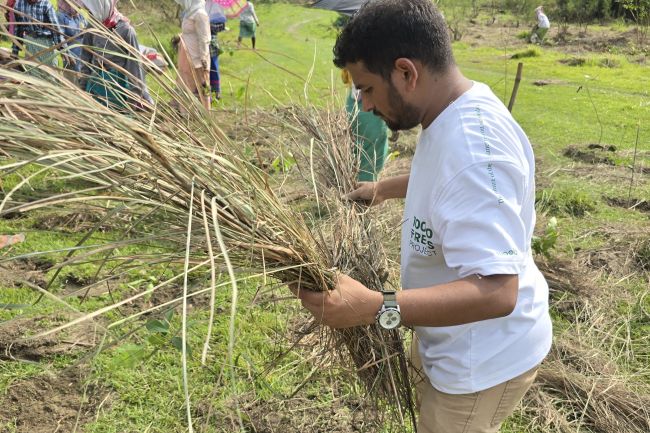
Assam, June 16, 2026: Tea brand Woolah has launched its 10,000 Trees Project with the completion of the first phase of a plantation initiative on Majuli Island, Assam. In partnership with the Balipara Foundation, the company planted 2,000 native saplings during a two-day drive held on June 15 and 16.
The plantation was carried out in Dhpak Gaon on Majuli Island, a recognised Key Biodiversity Area (KBA) and Important Bird Area (IBA). The initiative aims to support ecological restoration in a region facing challenges such as riverbank erosion, loss of tree cover, and habitat degradation affecting local wildlife.
According to the company, the project uses a Modified Miyawaki Method, a high-density plantation approach designed to accelerate forest growth. The first phase covers a 0.25-hectare plot and includes 20 indigenous tree species such as Azar, Hilikha, Jamun, and Himolu. The plantation model is intended to promote rapid canopy development, biodiversity restoration, and carbon sequestration.
The initiative was timed to coincide with the monsoon plantation season to improve sapling survival rates and establish long-term ecological benefits. Woolah said the project focuses on restoring habitats for native species, including endangered vultures and local Hog deer populations that have been affected by shrinking forest cover.
Mr. Upamanyu Borkakoty, Founder of Woolah, said, "Building a responsible brand goes far beyond creating products that are kind to the environment, like our innovative, bagless, plastic-free tea dips. Eliminating microplastics and chemicals from our teas is just our baseline. We have always believed that true ecological responsibility goes beyond product innovation—it requires getting our hands directly into the soil. Businesses with a platform have a wonderful opportunity and a clear duty to use their resources for real, physical, and positive change."
He further added, "We wanted our protest against mindless consumerism to create something real, constructive, and lasting for the planet. This two-day planting drive is the concrete start of Phase 1 of a multi-stage restoration pipeline. This forest on Majuli Island is a conscious, collaborative step toward a better world—one that protects our vulnerable regional wildlife, restores our soil, and serves as a living blueprint for how localized action can beautifully drive the global climate recovery we so urgently need."
Woolah stated that the project will include ongoing monitoring, community participation, and maintenance activities over the next year to improve sapling survival rates and strengthen ecological outcomes. The company plans to use the learnings from this phase to support the subsequent stages of its broader 10,000 Trees Project.