Venus Foundation’s CSR Approach to Supporting Children in Institutional Care
In India, the conversation around corporate social responsibility is increasingly shifting from short term philanthropy to long term, system strengthening interventions that can create lasting social impact. As the country works to improve outcomes in education, child welfare, and institutional care, partnerships between the corporate sector and government institutions are becoming critical to ensuring that vulnerable children receive sustained support and opportunities for growth.
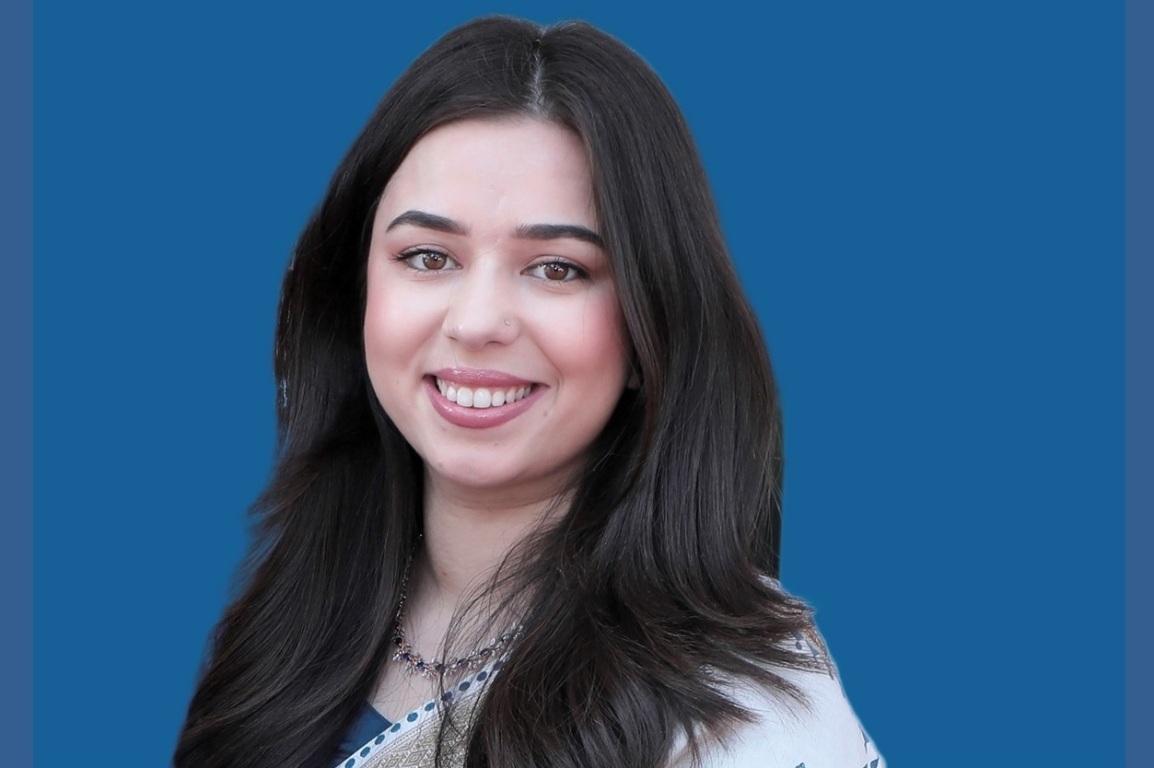
Within this evolving landscape, Venus Foundation, the CSR arm of Venus Remedies, is focusing on building meaningful interventions that prioritise education, well being, and personal development for children in institutional care. In this interview, Ekta S. Chaudhary, Chairperson of Venus Foundation, speaks about the organisation’s philosophy of responsible social investment, its collaboration with the Government of Himachal Pradesh, and how thoughtful partnerships, community engagement, and continuous learning are helping shape programmes that aim to create lasting and measurable change in the lives of children.
Scroll down to read the full interview:
Q. What guides the CSR philosophy of Venus Foundation?
A. As the CSR arm of Venus Remedies, our approach to social investment is closely aligned with the company’s core belief in creating long-term, meaningful impact. Venus Remedies has always focused on innovation and responsibility in healthcare, and that same mindset guides how we engage with communities. We believe that real progress comes from investing in people, particularly in areas like education and healthcare, so they have the opportunity to build better futures for themselves. Ultimately, Venus Foundation reflects the same sense of responsibility and purpose that defines Venus Remedies. We see social investment not as an obligation, but as an extension of the company’s commitment to improving lives. This long-term perspective ensures that our efforts remain thoughtful, consistent, and focused on creating lasting change.
Q. Public–private partnerships are increasingly seen as enablers of scalable social impact. What made collaboration with the Himachal Pradesh Government a strategic fit for Venus Foundation’s long-term vision in child development?
A. The collaboration with the Himachal Pradesh Government was a natural strategic fit because it allows Venus Foundation to contribute meaningfully within an established public framework. The state has a clear vision for strengthening child care institutions, and working closely with district administrations ensures our efforts align with ground realities while maintaining continuity and accountability. For us, public–private partnerships are most effective when they are rooted in shared responsibility rather than transactional support. This collaboration enables us to support areas where assistance is needed, while leveraging the government’s institutional reach, safeguards, and child protection systems. Most importantly, partnering with the state lays the foundation for a long-term, evolving association. Our focus remains on responsible and sustainable engagement, keeping the dignity, safety, and holistic development of children at the centre of every intervention.
Q. How does the Foundation ensure sustainable and long-term impact in its CSR initiatives?
A. Our work is grounded in genuine engagement with communities and institutions. We focus on understanding needs at the grassroots level and supporting initiatives that strengthen existing systems rather than offering short-term solutions. This means building partnerships, supporting capacity, and staying committed over time so that the impact continues well beyond our direct involvement.
Q. How do you measure the impact of your educational interventions?
A. Tracking outcomes is central to how we assess whether our interventions are truly making a difference. We focus on both quantitative and qualitative indicators to understand progress in a meaningful way. These include improvements in school enrolment and attendance, academic progression, and continuity in education. We also look at indicators such as participation in learning activities, engagement levels, and retention within educational programmes. Equally important are changes in well-being and confidence. We work with partner institutions to observe behavioural shifts, social interaction, and emotional development, as these are strong indicators of a child’s sense of stability and self-belief. Feedback from caregivers, educators, and the children themselves plays an important role in helping us understand how our support is influencing their daily lives.
Q. Do you use data and feedback to strengthen yourprogrammes?
A. Yes, our approach to measure a program’s success goes beyond data collection; it is a continuous learning process. The insights we gather help us refine these programmes, strengthen partnerships, and ensure that our efforts remain responsive to the evolving needs of children in institutional care. This has allowed us to stay accountable to the cause and our value systems while remaining focused on creating lasting, positive change in children’s educational and personal development.
Q. What are Venus Foundation’s immediate priorities in this new partnership with the government of Himachal Pradesh?
A. Our partnership with the Government of Himachal Pradesh is relatively new, our immediate focus, however, is on building meaningful engagement and understanding the individual needs and aspirations of the children we are supporting. Initiatives such as exposure visits, including the trip to Jaipur, were designed to broaden their horizons, build confidence, and help them see possibilities beyond their current environment. At this stage, our priority is not scale, but depth, ensuring that our interventions genuinely inspire and support each child’s personal and educational journey.
Q. How do you define success and what are Venus Foundation’s plans for the future?
A. For us, success will be defined by real, individual outcomes. If we are able to help even one child discover their potential, pursue higher education, or build a successful and independent career, that becomes a powerful proof point. Those individual stories of transformation are what ultimately validate the model. As we continue to learn from this collaboration, we will document what works, refine our approach, and strengthen the support systems around the children. Over time, this will help us build a thoughtful, scalable framework that remains rooted in personal impact while enabling wider outreach in the future.



.png)