Transparency to Transformation: Inside FUEL’s SSE Journey for Scalable Impact
What if every rupee spent on social impact could be tracked, measured, and proven to change lives? India is now moving in that direction with the introduction of the Social Stock Exchange (SSE)—a powerful step toward transparency, accountability, and outcome-driven development.
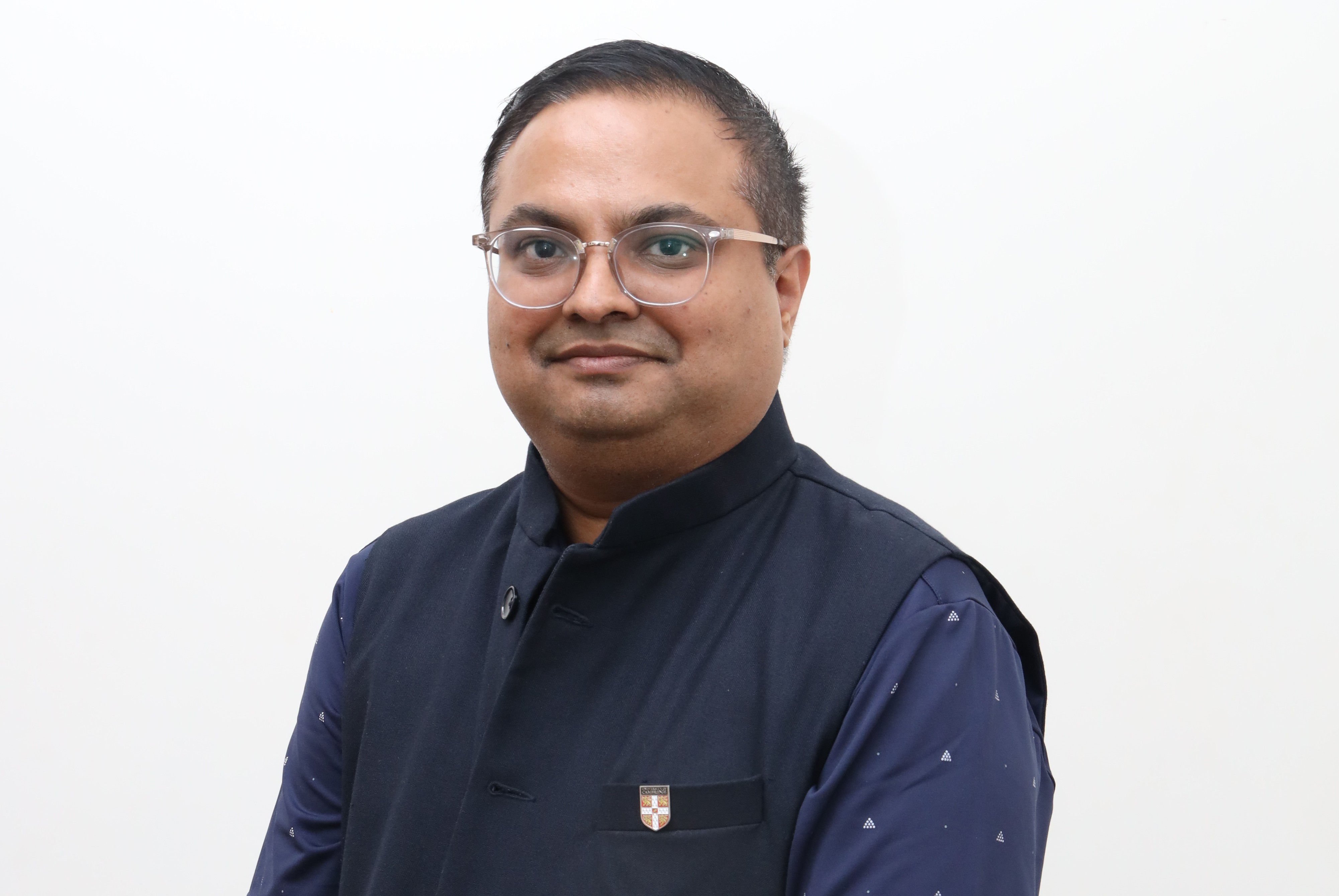
In this insightful interview, Dr. Ketan Deshpande, Founder & Chairman of Friends Union for Energising Lives (FUEL), shares how aligning with the SSE framework is transforming the way non-profits operate and scale impact. He explains how the shift from donation-led funding to measurable, investment-driven models is reshaping CSR, philanthropy, and impact investing in India.
The conversation highlights how FUEL is building structured systems to track outcomes in education, employability, and skilling—especially for women, first-generation learners, and underserved youth. Dr. Deshpande also discusses the growing importance of transparency, accountability, and partnerships in creating sustainable, large-scale social change.
As India embraces this new era of data-driven impact, this interview offers a compelling look at how SSE can redefine the future of social development and funding in the country.
Read the full interview below
Q. What is the vision behind aligning FUEL with the Social Stock Exchange (SSE)?
A. Friends Union for Energising Lives (FUEL) is working towards building a more transparent, accountable, and scalable approach to social impact. While India has always showcased a strong intent in philanthropy and CSR, there has been a gap in structured, measurable and investable social impact models.
By aligning with the Social Stock Exchange (SSE) framework, we aim to bridge this gap by transforming from donation-led support to outcome-driven impact investment. Our goal is to create a system where every rupee that is invested delivers measurable outcomes in education, employability, and livelihoods, particularly for first-generation learners.
While India has always had a strong intent when it comes to philanthropy and CSR, much of it has traditionally been driven by donations, with limited visibility into long-term outcomes.
Q. What changes does SSE bring to the non-profit sector?
A. The SSE framework represents a transformative shift for the non-profit ecosystem. It introduces stronger governance standards, structured impact reporting frameworks, higher accountability, and enhanced disclosure norms.
More importantly, it redefines how NGOs operate, moving them from trust-based entities to data-driven, performance-oriented institutions. Much like financial markets evolved with transparency and compliance, the social sector is now entering a phase where measurable impact and credibility will be central to growth and sustainability.
Q. What are FUEL’s key objectives behind this initiative?
A. For FUEL, aligning with the Social Stock Exchange is a strategic step toward scaling in a more responsible and sustainable way. Our focus is on building robust, standardised systems to measure impact, attracting long-term, mission-aligned capital, and expanding access to higher education and future-ready skills.
This alignment will further strengthen our core work across scholarships, skilling, and career development—allowing us to reach more underserved youth while maintaining consistency, quality, and measurable outcomes at scale.
Q. How does transparency influence CSR funding today?
A. CSR funding is increasingly becoming outcome-focused. The corporates today are not just funding activities, they are investing in measurable impact.
Transparency through structured reporting enables better decision-making, clearer visibility on return in terms of social outcomes, and stronger trust between corporates and implementation partners. This shift is naturally favouring organisations that demonstrate accountability, efficiency, and scalable impact.
Q. How is accountability reshaping philanthropy in India?
A. Accountability is fundamentally redefining philanthropy from a goodwill-driven approach to a results-driven ecosystem.
Today’s corporates and philanthropists expect clearly defined impact metrics, timely reporting, and scalable, replicable models. This evolution has led to deeper engagement, long-term partnerships, and collaborative solution-building rather than one-time funding. It’s no longer about charity, it’s about creating sustained, measurable change.
Q. How will SSE help scale impact for women and underserved youth?
A. At FUEL, a significant focus is on empowering young women, first-generation learners, and rural youth. SSE alignment allows us to scale these interventions in a structured and sustainable manner.
Through this framework, we aim to expand scholarship programs for girls’ education, build large-scale skilling ecosystems aligned with industry needs, and promote community-driven models like “10 People – One Degree.” These approaches ensure not just scale, but also sustainability, ownership, and long-term transformation at the grassroots level.
Q. What role do partnerships play in strengthening this initiative?
A. Partnerships are central to our growth and impact. Our collaborations with over 78 corporates and CSR leaders have helped us build both credibility and scale.
A significant milestone in our journey has been the support of Yusuf Hamied, Chairman of Cipla, who is backing the development of the FUEL SkillTech University. The School of Science, under his guidance and vision, reflects our commitment to high-quality scientific education, research orientation, and real-world application.
Beyond funding, our partners play an active role in shaping outcomes—bringing in industry-relevant curriculum inputs, enabling internships and placements, and offering strategic guidance. These collaborations ensure our programs remain aligned with evolving industry needs, enhancing both employability and impact.
Q. What is the future of impact investing in India under SSE?
A. India is moving towards a phase where social impact is increasingly seen not just as philanthropy, but as a legitimate investment category.
With frameworks like SSE, impact investing is set to become more mainstream, enabling greater retail participation in social causes while helping high-quality NGOs attract structured capital.
With time, it could lead to the rise of a blended finance ecosystem, where philanthropy, CSR, and impact capital work together more seamlessly to address large-scale social challenges.


.png)