
ISDM and PRADAN Launch New Frameworks to Rethink Social Impact Measurement in India
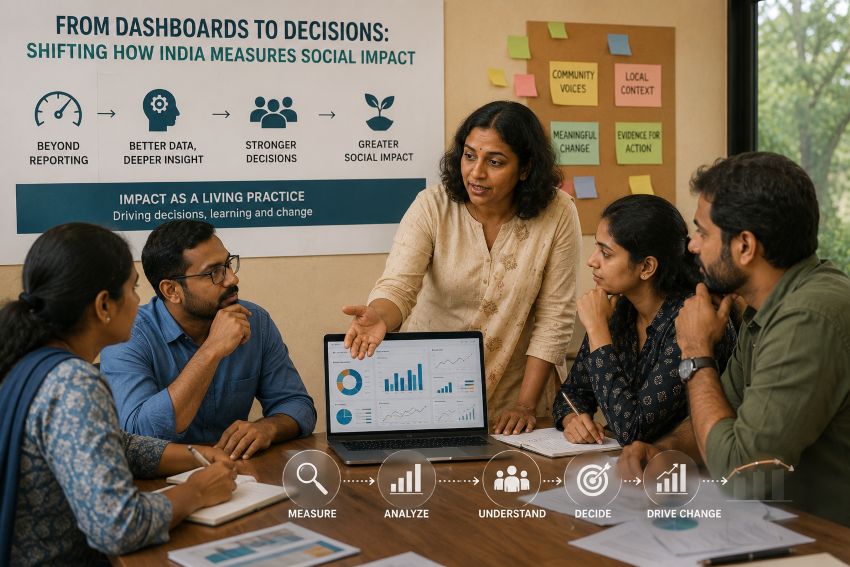
New Delhi, June 15, 2026: The Indian School of Development Management (ISDM) and Professional Assistance for Development Action (PRADAN) have launched two new frameworks aimed at reshaping how social impact is measured and managed in India’s development sector.
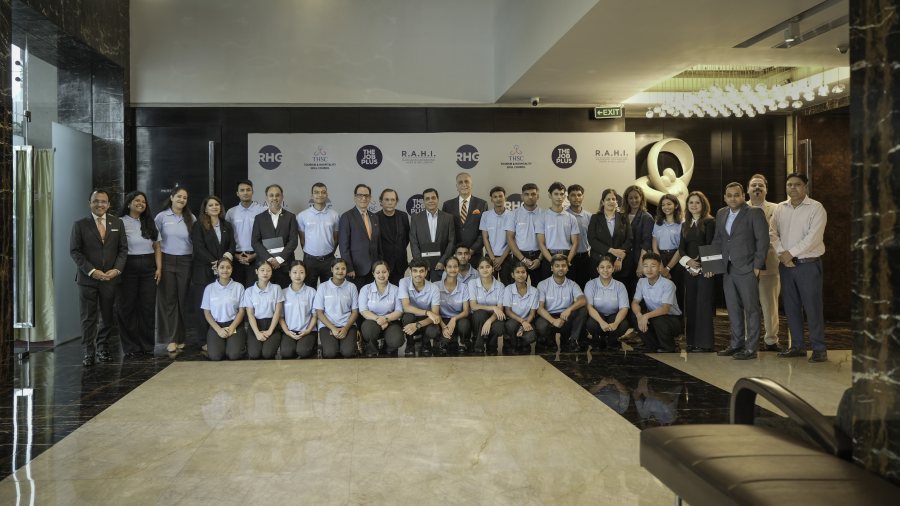
The frameworks were unveiled at a one-day convening titled “Rethinking Impact: From Metrics to Meaning” held at India Habitat Centre, New Delhi. The event brought together leaders from philanthropy, civil society, research institutions, policy bodies, and corporate social responsibility (CSR) organisations to discuss the challenges of measuring and enabling meaningful social change.
According to the organisers, the new frameworks advocate a shift from viewing impact measurement as a compliance and reporting exercise to using it as a tool for learning, decision-making, and continuous improvement.
ISDM introduced its Development Management-anchored Social Impact Measurement and Management (SIMM) approach, which seeks to integrate impact measurement into programme implementation rather than treating it as an end-stage evaluation. The framework encourages organisations to use data to guide resource allocation, adaptation, and strategic decisions throughout a project’s lifecycle.
PRADAN launched its Rural Development Impact Framework (RDIF), which focuses on understanding how organisations contribute to long-term social change rather than attempting to attribute outcomes solely to individual projects. Drawing on PRADAN’s work in Gumla and Dhamtari, the framework examines cumulative changes in livelihoods, women’s empowerment, and community engagement over time.
Speaking at the event, Saroj Kumar Mahapatra, Executive Director, PRADAN, said, "Impact of developmental work should be measured on a year on year basis and should not be seen as a one-time affair. The sector needs evaluation frameworks that are honest about grassroots-complexities and can hold the complexities of real development work without flattening it into numbers that look clean, but say little. What works, for whom, and for which context remains at the core of Rural Development Impact Framework."
Trisha Verma, Director, Global Knowledge Hub, ISDM, said, “For too long, funders and Social Purpose Organizations have worked towards the same goals while often using different frameworks and expectations for defining impact. The SIMM Approach and RDI Framework are not a finished answer but a living piece of work - an invitation to contextualise our understanding of impact to the complexities of real-world social change and to build a shared language for the sector.”
Reflecting on the initiative, Dr Tushaar Shah, former Director, Institute of Rural Management Anand, said, “When a development organisation spends decades in a region, it stops making sense to evaluate a project– you have to evaluate the place, and the organisation's relationship with it. That is the core shift these frameworks propose, and it is long overdue. The real test of any evaluation is not merely the quality of the report, but whether it changes what anyone does next."
The organisers said both frameworks are intended to evolve through continued engagement with practitioners, funders, and development professionals, with the aim of building a stronger community of practice around impact measurement and management in India.