Investing in Women: Alstom India’s Vision for Building Stronger Communities and Inclusive Growth
As the world marks International Women’s Day 2026, the theme “Give to Gain” brings renewed attention to the transformative power of investing in women’s potential. When organizations dedicate resources, mentorship, and opportunities to empower women, the impact extends far beyond individuals- strengthening communities, economies, and future generations.
At Alstom India, women’s empowerment is not viewed as a standalone diversity initiative but as a strategic pillar of responsible corporate citizenship and sustainable development. From supporting women’s participation in STEM education to enabling livelihood opportunities and advancing inclusive mobility solutions, the company’s CSR initiatives are designed to create lasting social value.
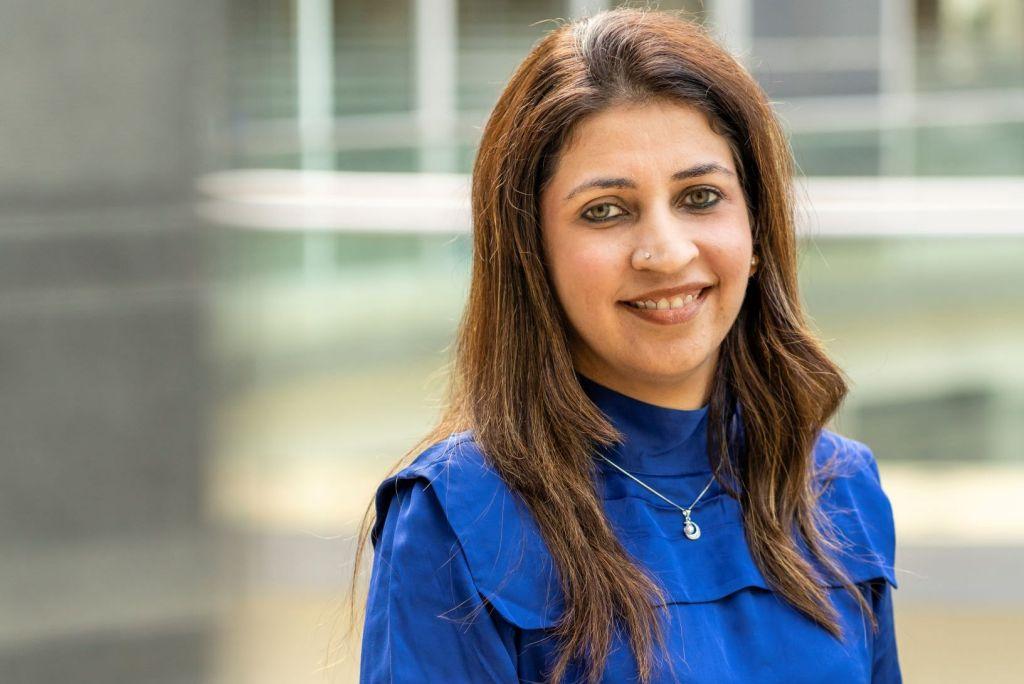
In this exclusive interaction with TheCSRUniverse, Ms. Sapna Bhawnani, Sustainability & CSR Lead, Alstom India, shares how the company’s community programs are empowering women through education, skills, mobility, and financial independence. She also reflects on why investing in women today is essential for building resilient communities and shaping a more inclusive economic future.
Full interview below:
Q. How does this year’s International Women’s Day theme, “Give to Gain,” resonate with Alstom’s CSR philosophy and long-term community vision?
A. The theme “Give to Gain” resonates strongly with how we think about CSR at Alstom. In many ways, meaningful social investment works much like a long-term financial investment. Much like the idea behind “Mutual Funds Sahi Hai,” where small but consistent SIP investments compound over time to create significant wealth, sustained investments in communities generate powerful long-term returns.
When companies invest in education, skills or women’s livelihoods, the benefits compound across generations. Evidence from global development research shows that advancing gender equality has the potential to significantly accelerate economic growth and social progress.¹²
CSR, therefore, is not simply about giving — it is about investing in human potential. And like any sound investment philosophy, the real value emerges when those investments are sustained and allowed to compound over time.
Q. In what ways is Alstom investing in women’s empowerment beyond the workplace and into the communities where it operates?
A. At Alstom, women’s empowerment extends beyond the workplace into the communities where we operate, with initiatives that focus on education, livelihoods, mobility and health.
One important pillar is education, where the Alstom India Scholarship for STEM supports students from economically disadvantaged backgrounds—especially young women—pursuing engineering and technical education, helping build a more diverse future workforce.
We also work on livelihoods and inclusive mobility. Through the Low Emission Access to Public Transport (LEAP) program in Bengaluru, Alstom supports women auto-rickshaw drivers engaged in last-mile connectivity services, helping create safer and more inclusive urban mobility while strengthening women’s economic independence.
In rural communities, our skilling and livelihood initiatives equip women with vocational capabilities and entrepreneurship opportunities. Additionally, around our Madhepura, Bihar operations, we support adolescent girls and young women through health and menstrual awareness programs, ensuring that education and wellbeing go hand in hand.
Together, these efforts reflect our belief that empowering women in communities strengthens both local development and the future talent ecosystem.
Q. How are Alstom’s CSR initiatives helping women gain financial independence and sustainable livelihoods?
A. Alstom’s approach to women’s empowerment focuses strongly on livelihood creation in both urban and rural contexts.
In urban settings, the Low Emission Access to Public Transport (LEAP) initiative in Bengaluru promotes women’s participation in the mobility workforce. Women are trained to operate electric three‑wheelers that provide last‑mile connectivity from metro stations, creating sustainable employment while improving safe and environmentally friendly transport options.
During the pilot phase, 25 women drivers were trained and supported in providing services to over 900 regular commuters, with nearly 40% of users being women. Several drivers also expressed aspirations to eventually own their own e‑autos, signalling a shift from employment to entrepreneurship.
In rural communities, our Rural Rising program builds women’s economic capabilities through targeted skilling initiatives such as tailoring and vocational training in regions like Coimbatore and Vadodara. These programs help women develop income‑generating skills while strengthening household financial resilience.
Together, these initiatives demonstrate how skills, mobility access and entrepreneurship pathways can create sustainable livelihoods for women.
Q. How does Alstom ensure that community upskilling initiatives are aligned with real industry needs and future workforce demands?
A. At Alstom, aligning community upskilling initiatives with real industry needs begins with a strong evidence‑based approach. Before designing programs, we conduct local needs assessments and consult with community members, industry stakeholders, government institutions and training partners to understand the local livelihood landscape and skill gaps.
For example, ecosystem engagement around our Madhepura operations in Bihar highlighted gaps in technical skilling, limited awareness of career pathways and the need for training that connects directly to employability. These insights help refine training programs to include industry‑relevant courses, practical exposure and career counselling.
We also collaborate with institutions and sector bodies that understand evolving workforce demands. These partnerships help ensure that training curricula remain aligned with future skills in advanced manufacturing, sustainable mobility and technical trades.
Q. What role does inclusive urban mobility play in empowering women and strengthening local economies?
A. Inclusive urban mobility plays a critical role in empowering women because mobility determines whether people can access jobs, education, healthcare and markets.
Global development frameworks recognise transport as a key enabler of multiple Sustainable Development Goals. Safe and accessible mobility systems support economic participation, improve access to services and strengthen urban productivity.³
The gender dimension is particularly important. When transport systems are designed with women’s safety and accessibility in mind, they help reduce barriers that often limit women’s participation in the workforce and public life.
In this sense, mobility is empowerment. When women can move safely and independently within cities, they gain access to livelihoods and opportunities while cities benefit from stronger economic participation and resilience.
Q. How are partnerships with local stakeholders, NGOs, and institutions amplifying the impact of Alstom’s women-focused CSR programs?
A. Partnerships with credible NGOs and institutions are central to amplifying the reach and sustainability of Alstom’s women‑focused CSR initiatives.
For example, the LEAP initiative in Bengaluru is implemented with the World Resources Institute (WRI), which brings expertise in sustainable mobility and gender‑inclusive transport systems. Their involvement helps ensure the program is designed with a deep understanding of urban mobility ecosystems.
Similarly, collaborations with organisations such as United Way Bengaluru strengthen skilling and employability pathways for young women under initiatives like Rural Rising, while platforms like Buddy4Study help scale scholarship programs and ensure transparent outreach and selection.
These partnerships combine Alstom’s strategic commitment with the grassroots expertise of implementation partners, enabling programs to create sustainable and scalable pathways for women’s empowerment.
Q. How does Alstom measure the long-term social impact of its community development and women empowerment initiatives?
A. At Alstom, we measure the long‑term social impact of our initiatives through a structured Theory of Change framework that tracks outcomes across education, livelihoods, healthcare and rural development.
Program indicators include scholarship retention, skill training completion, employment placement and improved access to community services, helping us assess whether interventions are translating into sustained improvements in opportunity and quality of life.
A key dimension is gender equity. Across initiatives, we track women’s participation, leadership and economic outcomes to ensure programs expand opportunities for women and girls.We also assess broader intersectional indicators such as inclusion of marginalized groups, strength of local partnerships and community ownership, ensuring that our initiatives create lasting, scalable impact that empowers women and strengthens entire communities.
Q. How does investing in women today translate into broader socio-economic gains for communities tomorrow?
A. Investing in women is widely recognised as one of the strongest drivers of long‑term socio‑economic development.
Research by the McKinsey Global Institute estimates that advancing gender equality could add up to $12 trillion to global GDP, while closing gender gaps in India alone could contribute around $770 billion in additional economic output.¹²
Education is another powerful multiplier. Studies show that each additional year of schooling for girls can increase future earnings by up to 20%, while improving health and education outcomes for the next generation.⁴
When women gain access to finance and livelihoods, they are also more likely to reinvest their income into their families and communities—strengthening human capital and long‑term economic resilience.⁵
Q. Why investing in women is not just a social imperative but a business priority
A. Industries such as rail and manufacturing have historically been male‑dominated. Building diverse and future‑ready organisations therefore requires expanding the pipeline of women in STEM and technical fields.
There is also a strong innovation and market case. Women are an increasingly important demographic in public transport systems, and designing mobility solutions that consider their safety and travel patterns leads to better infrastructure and services.
In that sense, investing in women strengthens both the talent ecosystem that powers our industry and the user experience of the mobility systems we build.
Q. What is the next big focus area for Alstom in advancing women’s leadership, employability, and community resilience?
A. The next phase will involve scaling the learnings from successful programs such as women’s mobility entrepreneurship, rural skilling and STEM education.
A major opportunity lies in unlocking access to finance for women‑led livelihoods. Many women who gain skills still face barriers in accessing credit or formal financial systems. Expanding pathways to microcredit and financial inclusion can help women transition from training to sustainable enterprises.
Another emerging focus is climate‑resilient livelihoods. As climate change reshapes local economies, supporting women with green skills, mobility access and market linkages can strengthen both household resilience and community development.



.png)