
ICAP Study Finds Regenerative Agriculture Improves Soil Moisture and Crop Quality in Maharashtra
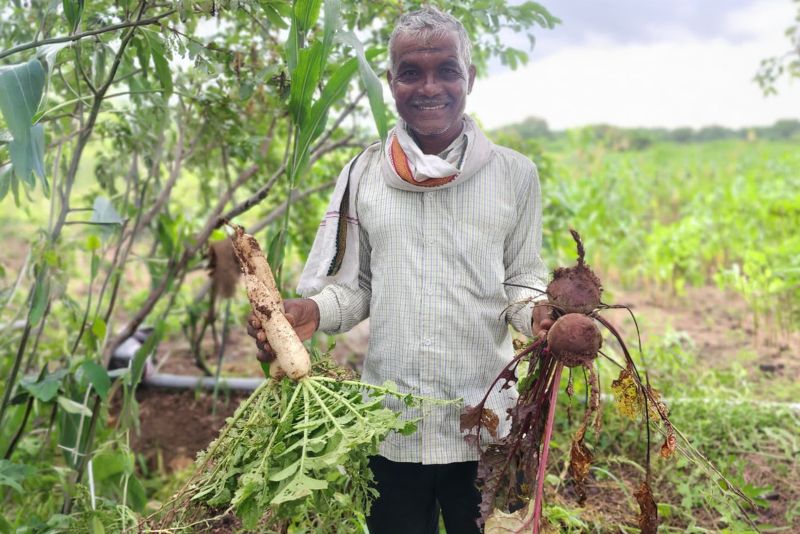
Mumbai, June 05, 2026: Regenerative agriculture practices can significantly improve soil moisture retention and crop quality in water-scarce regions, according to a recent study conducted by United Way Mumbai under the India Climate Action Project (ICAP).
The study, titled “Evaluating the Economic Viability of Regenerative Agriculture in Water-Scarce Regions: Evidences from Marathwada,” examined the experiences of farmers adopting regenerative farming practices in Maharashtra’s Dharashiv district. The findings highlight both environmental and economic benefits associated with regenerative agriculture in drought-prone areas.
ICAP, implemented with support from HSBC, is a three-year action-based research initiative launched in 2024 to generate evidence and knowledge resources that promote climate-responsive and sustainable agricultural practices across India. The project focuses on improving soil health, water conservation, and biodiversity.
According to the study, farms adopting regenerative practices recorded up to a 40% increase in soil moisture retention capacity compared to baseline conditions. Nearly 59% of surveyed farmers reported improvements in crop yield quality after implementing regenerative methods.
The research also found a positive relationship between the adoption of regenerative agriculture practices and improvements in ecological health indicators. Analysis showed a correlation coefficient of 0.32, suggesting measurable environmental gains linked to these practices.
The study documented several economic benefits for farmers as well. The use of locally prepared organic inputs such as Jeevamrut and Dashaparni helped reduce cultivation costs, while improvements in soil health and crop resilience lowered labour requirements and reduced losses caused by pests and diseases.
Researchers noted that these outcomes indicate the potential of regenerative agriculture to improve farm efficiency while supporting environmental sustainability in regions facing water stress.
Beyond farm-level practices, the study highlighted the importance of strengthening market access, farmer institutions, and capacity-building initiatives to support wider adoption of regenerative agriculture. It emphasised that Farmer Producer Organisations (FPOs) can play a key role in improving farmers’ access to markets and enhancing value realisation opportunities.
The findings are expected to contribute to ongoing discussions on climate-resilient agriculture and sustainable farming models, particularly in regions vulnerable to drought and resource scarcity.