
HelpAge India Study Highlights Growing Climate Risks Faced by Older Persons in Rural India
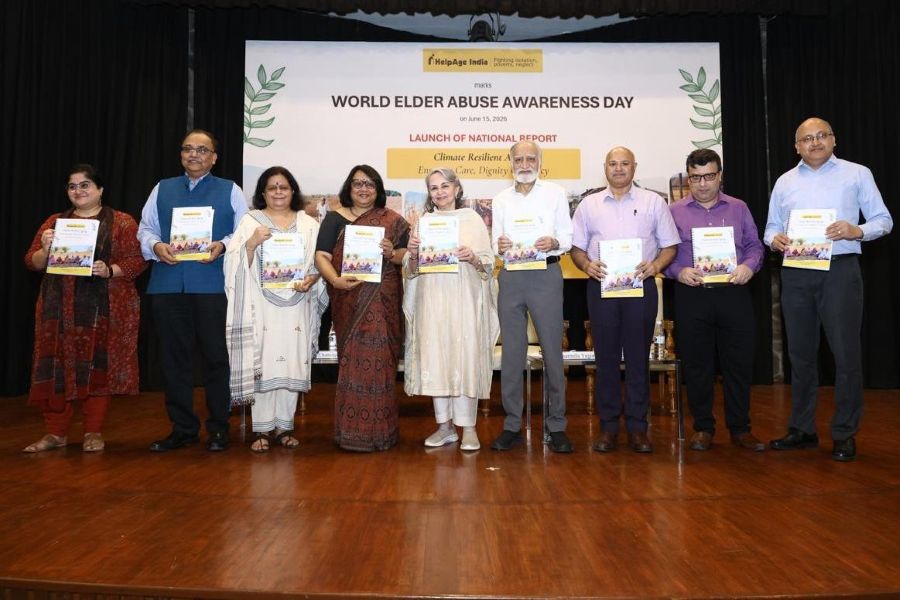
New Delhi, June 15, 2026: HelpAge India has released a new report titled ‘Climate Resilient Ageing – Ensuring Care, Dignity & Agency’, highlighting the growing impact of climate change on older persons in rural India and calling for stronger climate adaptation, social protection, and care systems.
Launched on World Elder Abuse Awareness Day at the India International Centre, the study surveyed 2,224 older persons across 20 districts in 10 states, including Andhra Pradesh, Bihar, Gujarat, Karnataka, Kerala, Madhya Pradesh, Maharashtra, Odisha, Tamil Nadu, and Uttarakhand.
According to the report, 78% of respondents experienced at least one climate-related hazard during the last three years. Heatwaves were reported by 45% of respondents, followed by floods (27%) and droughts (20%). The study found that older persons living alone, widows, individuals aged 80 years and above, and those with cognitive, communication, or mobility challenges faced greater risks and difficulties in coping with climate shocks.
Rohit Prasad, CEO, HelpAge India, said, "Older persons are among those most at risk from rising climate shocks, particularly those living alone or with impairments, and yet they remain largely invisible in climate response efforts. Climate impacts extend far beyond physical hazards, affecting health, income, housing, care and social wellbeing. While most older persons are doing their best to cope, age-related challenges whether physical, financial or social, often limit their ability to prepare for, withstand or recover from such climate episodes, weakening their agency and resilience. While government schemes provide a critical safety net, a more multi-pronged approach is needed with targeted interventions at household, community and institutional levels, alongside improving access to welfare schemes. Integrating ageing into climate adaptation, climate financing, elder-centric disaster risk reduction and social protection policies is essential."
The report highlights that nearly half of the respondents live with long-term impairments, primarily related to mobility and vision. More than half (52%) reported being unable to afford medicines. Government healthcare facilities remain the primary source of medical support, with 51% accessing Primary Health Centres and 49% relying on government hospitals.
Family support continues to play a critical role, with 73% of respondents living with children or relatives and 94% of those requiring care receiving assistance from family members. However, migration and changing family structures are creating new challenges for older persons, particularly those living alone.
Anupama Datta, Head - Policy Research & Advocacy, HelpAge India, said, "This report highlights the intersection of ageing and climate change. Repeated climate hazards disproportionately impact older persons - especially women, widows, those living alone, the impaired, and the oldest old. A large segment, already disadvantaged by low education, savings, and poor health, relies heavily on welfare and family support. Older women shoulder multiple burdens, from caregiving to securing water and income. In such contexts, accessible essential services are not just critical - they are vital for survival."
The report calls for integrating older persons into climate adaptation planning, strengthening community support systems, improving access to welfare schemes, and investing in age-friendly healthcare and social protection measures to ensure dignity, security, and resilience in the face of climate change.