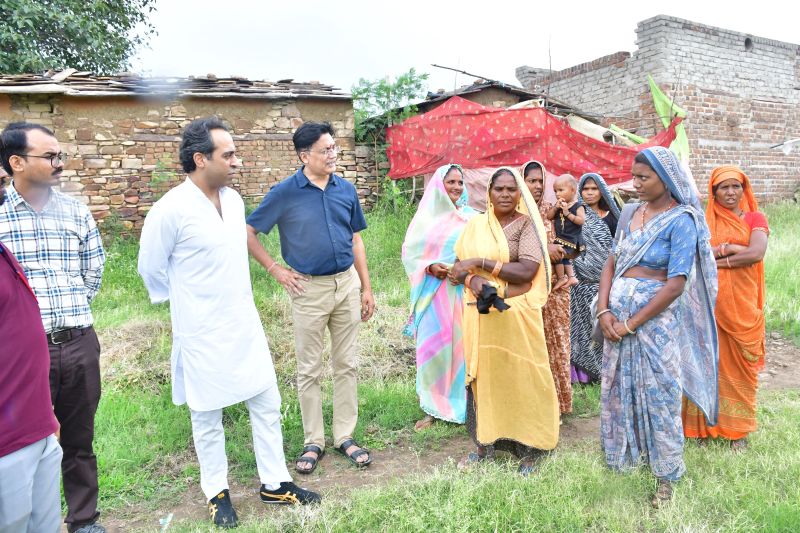

HDFC Bank Parivartan Helps Prevent Stubble Burning on Over 3.26 Lakh Acres in Punjab and Haryana
Mumbai, June 04, 2026: HDFC Bank, through its CSR initiative Parivartan and in partnership with CII Foundation, has announced that its Crop Residue Management (CRM) programme helped prevent stubble burning on approximately 3.33 lakh acres of farmland across Punjab and Haryana during the 2025 crop season.
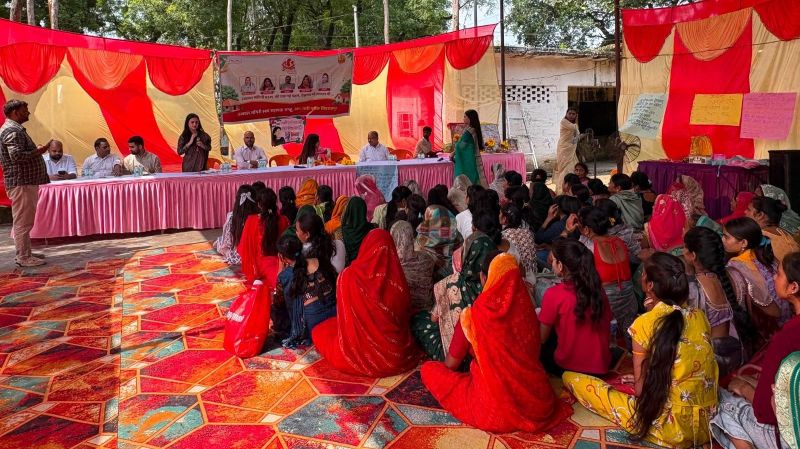
According to the programme, 88% of the 3,78,425 acres covered under the initiative were saved from stubble burning. The programme reached around 86,000 farmers across more than 380 villages in Ludhiana and Sangrur districts of Punjab and Fatehabad district of Haryana.
Launched in October 2023 in Ludhiana and expanded in 2024 to Sangrur and Fatehabad, the three-year initiative aims to address agricultural air pollution through improved crop residue management practices. The programme has reported that eight villages eliminated stubble burning entirely, while 174 villages achieved over 90% compliance in avoiding the practice.
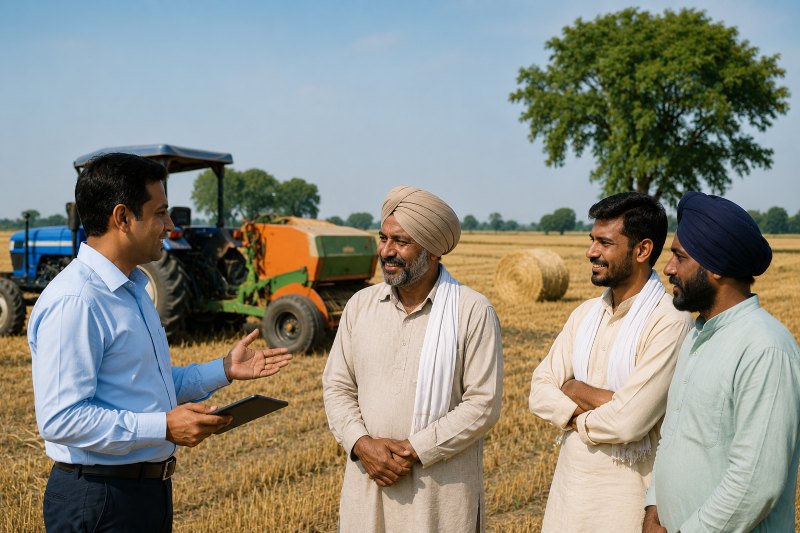
To support farmers, the initiative adopted a community tool bank model. More than 450 farm machines, including Balers, Super Seeders, Smart Seeders and Mittar Seeders, were provided to over 140 farmer cooperatives and Farmer Producer Organisations (FPOs) for affordable rental access. Additionally, 80 tractors were deployed on hire for small and marginal farmers during the stubble management season.
The programme also promoted ex-situ residue management through the installation of 18 paddy straw-based biogas units. Two bio-pelletisation plants and one bio-fertiliser plant are currently being established under the initiative. More than 30 village youth were supported with baler machines to create enterprises focused on paddy straw aggregation and value addition.
Nusrat Pathan, Head – CSR, HDFC Bank, said, “Stubble burning is not simply an agricultural habit – it is a systemic challenge rooted in economics, access, and awareness. HDFC Bank Parivartan’s partnership with CII Foundation has addressed all three dimensions simultaneously. By making machinery accessible to farmers through cooperative tool banks, driving behaviour change through sustained community engagement, and introducing ex-situ solutions like biogas and composting, we have built a model that delivers environmental outcomes alongside real savings for farmers. On World Environment Day, we reaffirm our commitment to scaling this impact further.”
Chandrakant Pradhan, Lead – Climate Resilience, CII Foundation, said, “What makes this programme exceptional is the depth of community ownership it has generated. Farmers who once had no alternative to burning now champion in-situ management and actively encourage their neighbours. Across villages in Ludhiana, Sangrur and Fatehabad, farmers in large numbers have moved on from the practice of open field burning of paddy straw for years, to become harbingers of a zero burning movement just within a two-to-three-year time, a testament to what becomes possible when communities are equipped, educated, and trusted to lead change.”
The programme will continue through 2026–27, with plans to expand adoption in additional villages and strengthen crop residue management infrastructure across the region.