
CNH Expands Sustainable Environment Solution Programme to South India to Combat Stubble Burning
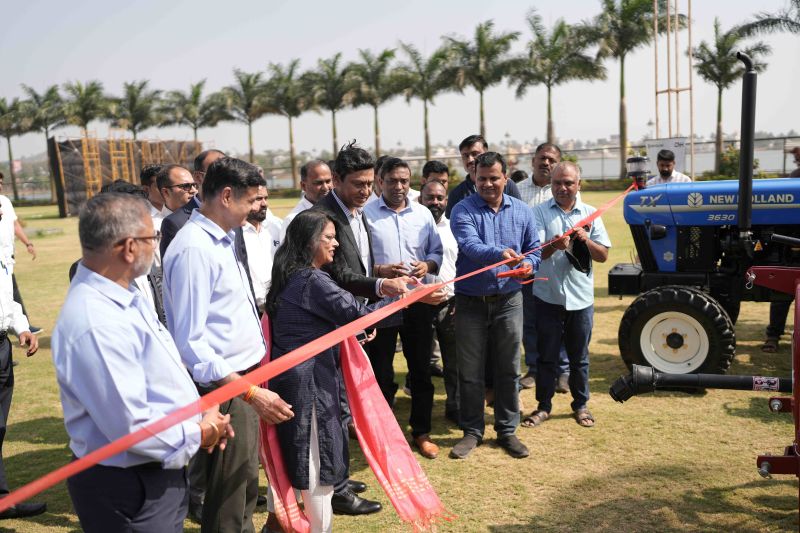
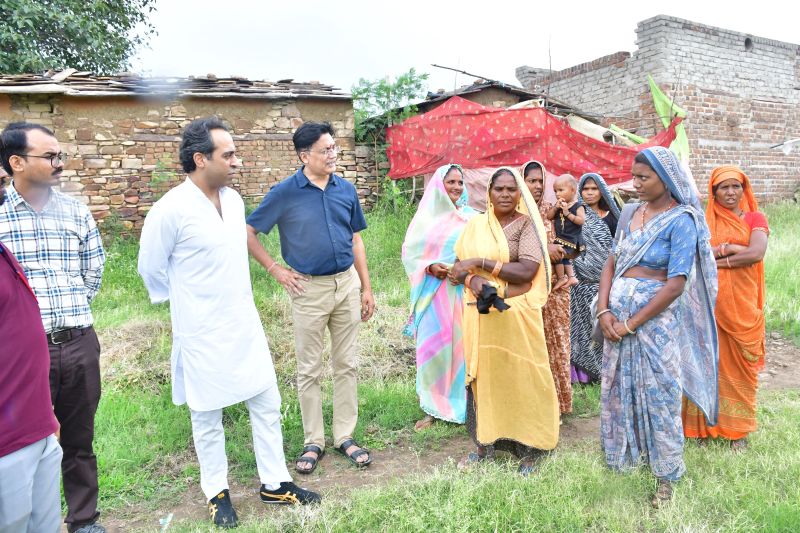
New Delhi, July 02, 2026: CNH, a global leader in agriculture and construction equipment, has extended its Sustainable Environment Solution (SES) programme to key farming regions in South India. The initiative has been introduced in Sindhanoor and Hubli in Karnataka, Gudur Manal in Nellore district of Andhra Pradesh, and Lalgudi in Tiruchirappalli, Tamil Nadu.
The SES programme focuses on agricultural extension and farmer capacity building to address crop residue management. Its primary aim is to reduce air pollution caused by open-field burning by promoting mechanised baling as a practical and economically viable alternative for farmers. Cumulatively since inception, the programme has enabled baling of approximately 60,000 tonnes of paddy straw, preventing an estimated 97,000 tonnes of CO2 emissions.
The South India expansion builds on the programme's existing footprint across Uttar Pradesh, Madhya Pradesh, Haryana, Bihar, Punjab, Chhattisgarh, Maharashtra, and Uttarakhand. One of its earlier implementations in village Kallar Majri in Punjab, which achieved zero stubble burning, was cited by the Prime Minister during his Mann ki Baat programme in 2018.
Under the initiative, crop residue collected through baling is being used to generate electricity and methane, contributing to cleaner energy production. Farmers also benefit from additional income by selling residue to industries and power plants. The programme further explores the use of crop residue for composting, animal feed, and biofuel production, alongside economic incentives such as carbon credits.
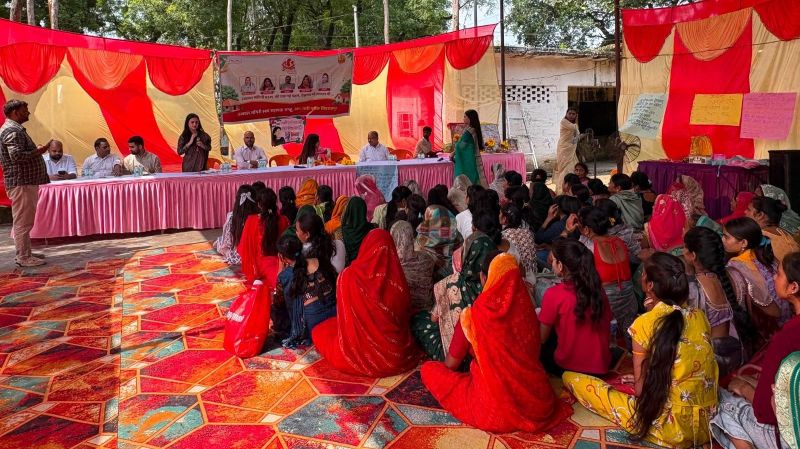
Implementation follows a structured multi-stage approach, including deployment of complete baling infrastructure — tractors, balers, rakes, and slashers — supported by awareness campaigns, workshops, and field demonstrations on the environmental and economic benefits of sustainable residue management.
Narinder Mittal, President and Managing Director, CNH India, said, "Sustainable Environment Solution program reflects our commitment to responsible growth and sustainable agriculture. Managing crop residue efficiently plays a vital role in reducing environmental challenges and supporting long-term farm sustainability. Through this initiative, we aim to minimise stubble burning in a way that lowers air pollution, improves resource utilisation, and creates a sustainable model for crop residue management in partnership with the farming community. At CNH, we remain focused on advancing sustainable farming solutions that support the farming community and the environment."