
BC Jindal Foundation Invests Rs 21 Crore to Benefit Over 5,500 Marginal Farmers Across Maharashtra's Marathwada Region
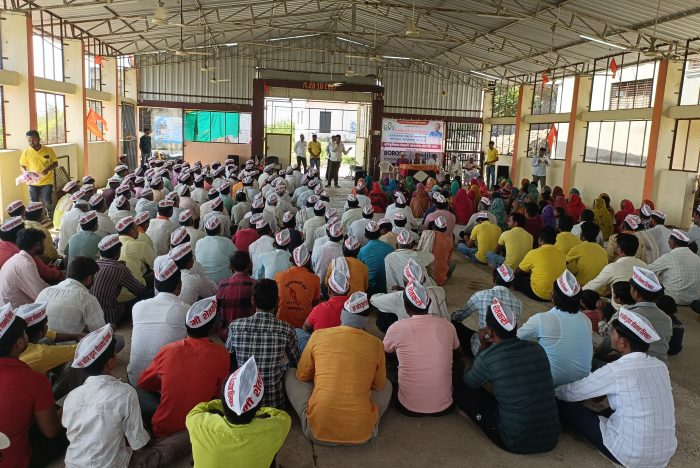
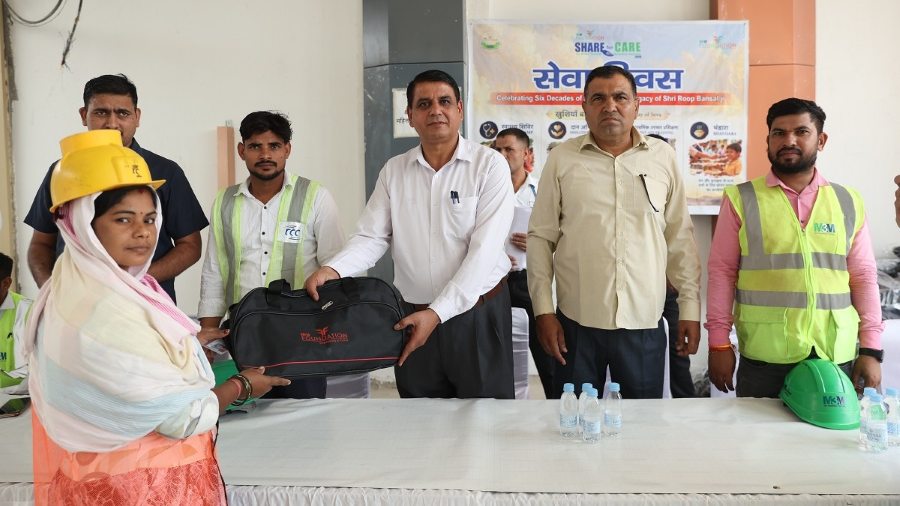
Mumbai, 24 June, 2026: The BC Jindal Foundation, the CSR arm of the BC Jindal Group, has announced that its Farmer Livelihood Enhancement Program has benefited more than 5,514 marginal farmers across 1,168 villages in 13 districts of Maharashtra, with a cumulative investment of Rs 21 crore to date.
Implemented in partnership with Global Vikas Trust (GVT), the programme focuses on horticulture development, crop diversification and capacity building for marginal farmers in the Marathwada region. An additional Rs 5 crore has been allocated for FY 2026-27. The initiative aims to enhance farmers' incomes through sustainable, agriculture-based livelihood interventions.
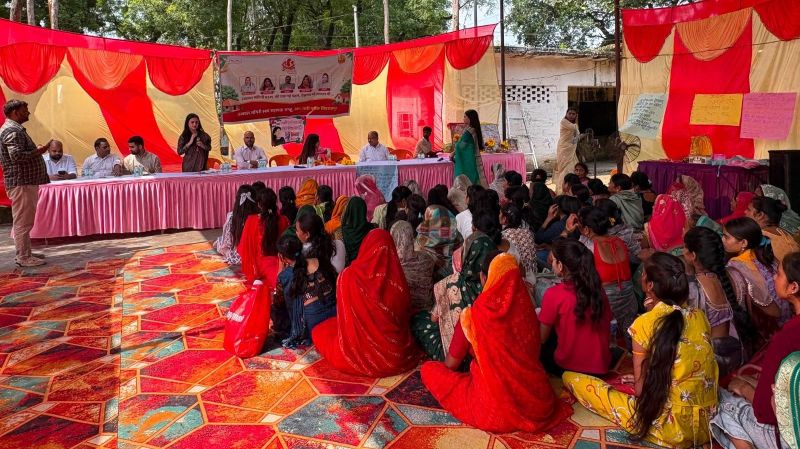
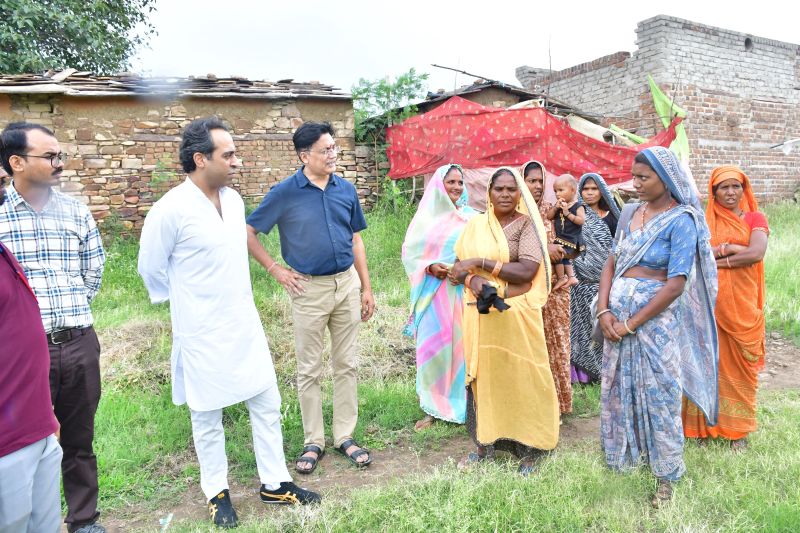
The Marathwada region was strategically selected due to severe agricultural distress caused by recurring droughts, erratic rainfall, declining soil fertility and heavy dependence on rainfed farming. Field surveys and consultations with Gram Panchayats and local communities revealed strong farmer interest in orchard farming and sustainable agricultural practices.
To address these challenges, the programme has supported over 84 lakh horticulture saplings so far, with 20 lakh additional plantations planned in FY 2026-27. Varieties including mango, guava, banana, lemon, papaya, mulberry and custard apple now cover more than 5,460 acres of farmland.
According to an independent impact assessment, beneficiary farmers now earn an average annual income of approximately Rs 3 lakh, with net profits reaching Rs 2 lakh per acre from horticulture and sericulture activities — representing nearly a fivefold increase compared to conventional farming earnings.
A BC Jindal Group spokesperson said: "BC Jindal Group's Farmer Livelihood Enhancement Program is committed to the socio-economic upliftment of marginal farmers through agri-based livelihood intervention. The initiative promotes a shift from traditional cropping systems to high-value horticulture and sericulture, supported by technical guidance, market linkages, and modern farming practices in the Marathwada region. We hope to continue bringing a positive change to the lives of farmers in the region through this program."
The spokesperson further added: "The initiative stands as a testament to the BC Jindal Group's enduring commitment to inclusive development, community empowerment, and social equity, contributing meaningfully to building a more equitable and progressive society."
Beyond economic impact, large-scale plantation activities have contributed to carbon sequestration, improved soil health and strengthened long-term ecological balance in the region.
The programme is aligned with the Sustainable Development Goals of Zero Hunger (SDG-2), Decent Work and Economic Growth (SDG-8), Reduced Inequalities (SDG-10) and Climate Action (SDG-13).