
Amazon India Launches Road Safety Training for 80,000 Delivery Associates and Drivers

New Delhi, January 22, 2026: Amazon India has rolled out a multi-city road safety awareness and training programme covering more than 80,000 delivery associates, partners, and truck drivers across its operations network, marking National Road Safety Month. The initiative focuses on strengthening safer driving practices and responsible road behaviour across both last-mile and mid-mile logistics operations.
The month-long programme combines mandatory, on-ground training with interactive workshops addressing helmet and seat belt compliance, safe riding and driving practices, speed management, distraction prevention, and emergency preparedness. Delivery associates and drivers also participate in practical drills covering lane discipline, signage awareness, maintaining safe vehicle distance, and everyday precautions such as hydration breaks and the “phone away before ignition” practice.
Salim Memon, Director of Operations, Amazon India, said, “The safety of our employees and delivery partners is fundamental to how we operate every day. Road safety is deeply embedded in our training, processes, and on-ground practices. Through regular, hands-on training and real-world learning, we equip our delivery associates and line haul drivers to navigate everyday road conditions safely. By consistently reinforcing responsible behaviour and the correct use of safety gear, we continue to strengthen safety standards across our logistics network while contributing to safer roads for the communities we serve.”
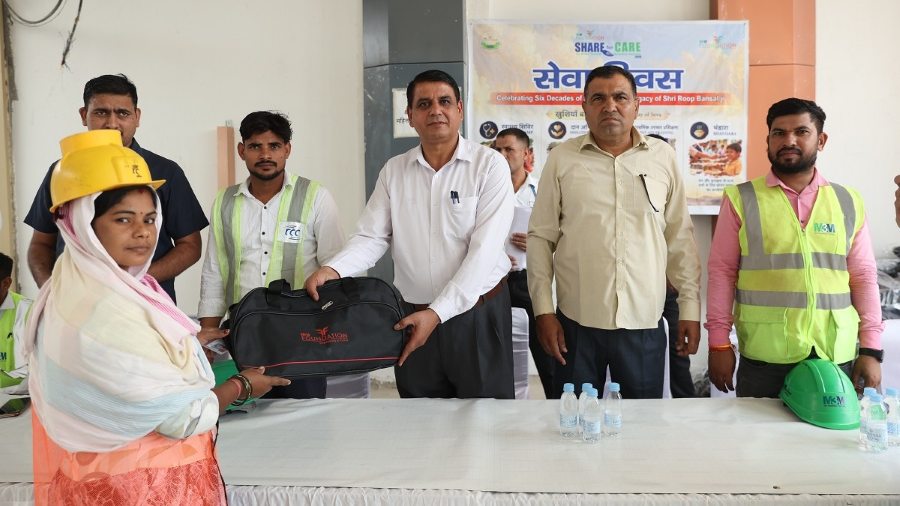
In addition to training sessions, the programme is supported by action-led measures such as ‘No Helmet, No Ride’ drives, helmet inspections, pre-ride vehicle checks, peer-led demonstrations of safe practices, and the distribution of ISI-marked helmets to hundreds of associates. These measures are designed to translate awareness into consistent on-road behaviour.
Amazon India is also continuing its technology-enabled safety interventions, including pre-departure vehicle inspections, helmet adherence monitoring, real-time speeding alerts, doorstep safety prompts, and instant access to third-party ambulance services during emergencies. Together, these efforts aim to embed a safety-first culture across the company’s logistics operations while supporting safer mobility outcomes for the wider community.