
The Nonprofit's Digital Marketing Maturity Playbook: A Step-by-Step Roadmap
Digital platforms are now playing a decisive role in shaping attention, trust, and credibility- and nonprofits are feeling the impact more sharply than many sectors. While most organizations have websites, social media handles, and periodic campaigns in place, far fewer have built the systems and mindset required to sustain and scale their digital efforts over time. The result is a quiet but widening gap between being digitally active and being digitally mature.
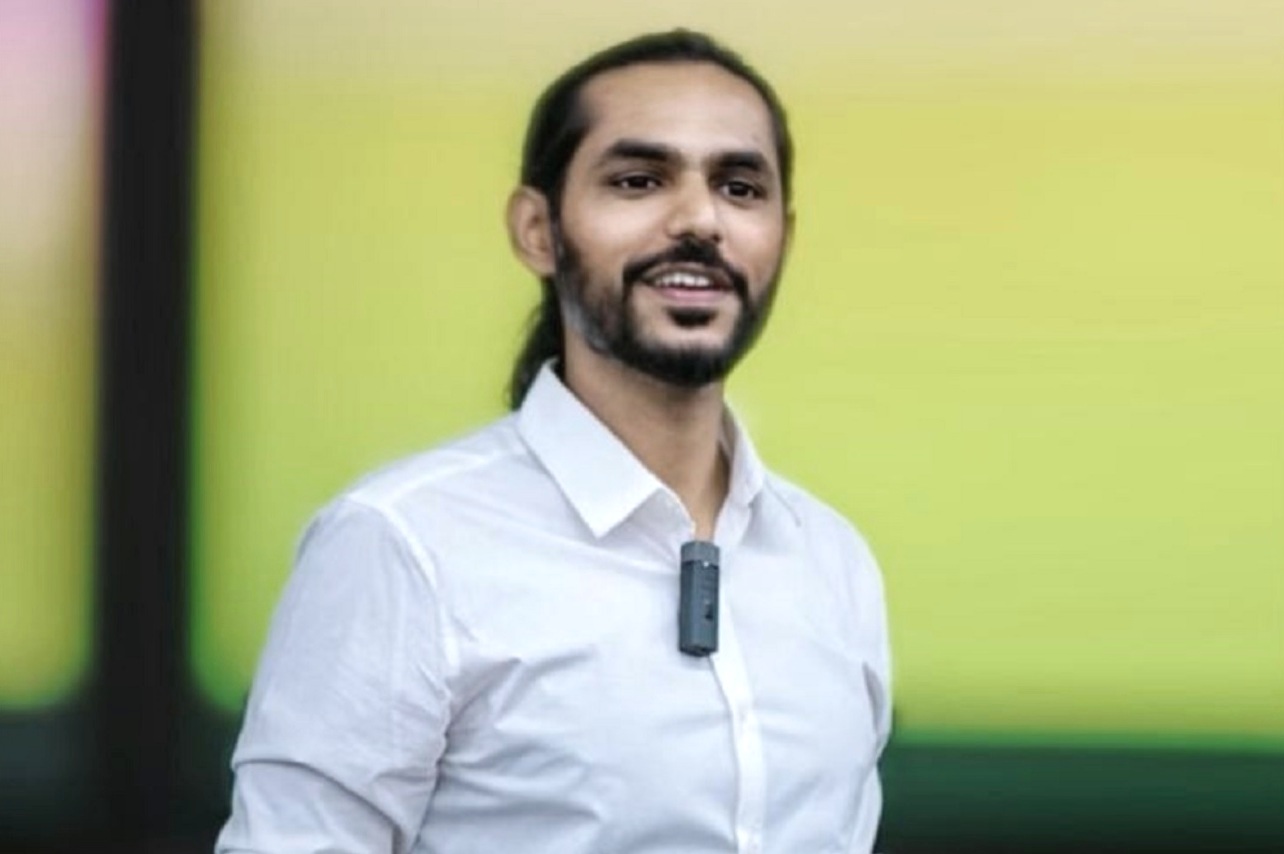
In this guest column, Abhinav Chetan, Founder of Digital For Nonprofits (D4NP) and Digicated.ai, argues that digital maturity is not merely about visibility. Drawing from real-world nonprofit examples, he explains why fragmented digital efforts erode trust, how inconsistent storytelling weakens emotional connection, and why retention is emerging as a critical form of risk management for the sector. Introducing the practical 3A Framework- Assets, Acquisition, and Audience- the article offers nonprofits a clear, step-by-step roadmap to assess where they stand and what to strengthen first. More importantly, it makes a compelling case for leadership ownership of digital strategy, positioning digital maturity not as overhead, but as a core organizational capability that will define relevance and resilience in the years ahead.
The Nonprofit's Digital Marketing Maturity Playbook: A Step-by-Step Roadmap
Most nonprofits don't fall behind digitally from lack of trying. In many cases, they invest time, money, and effort into building websites, setting up social media, and running campaigns. The gap appears in what happens after launch, in how digital maturity is sustained and scaled.
For a long time, this gap was survivable. Work on the ground rightly took precedence. Digital could remain secondary.
That separation is no longer defensible. Seven in ten people worldwide spend five hours or more daily in digital spaces as per Data Reportal.. This is where opinions are getting formed and trust is built. Advertising budgets have followed consumer attention, with over half of global ad spend now allocated to digital channels, as reported by GroupM.
This shift affects every organization. It affects nonprofits more than brands. Brands sell products. Nonprofits sell emotions. They ask people to care about causes that may feel distant from everyday life. That emotional connection doesn't survive on occasional visibility. It requires consistency. When your digital presence feels fragmented or outdated, that emotion erodes quietly. Not because the cause matters less, but because attention has already moved on.
This is why digital marketing maturity isn't a supporting function anymore. It's the infrastructure that builds trust between your campaigns, between your tasks, between moments when the world is watching.
When Presence is Mistaken for Progress
Most nonprofits today are digitally active. Few are digitally mature.The activity is visible. A website exists, social handles are live, campaigns launch when funding requires them. But many confuse activity with maturity.
A digitally active organization might redesign its website every few years. A digitally mature one maintains it continuously. One runs a successful fundraising drive once a year. The other builds pathways that turn one-time supporters into repeat participants. One starts over often. The other carries learning forward.
The pandemic made this difference impossible to ignore. When physical operations shut down, organizations like Sivananda Yoga Ashram moved online not by choice but by necessity, yet what they built lasted. By investing in stable digital infrastructure, consistent content, and steady outreach, the organization saw sustained growth in online engagement over time, rather than a temporary spike. Digital stopped being an emergency solution and became an operating layer.
Here's what separates the two. Digital maturity isn't about reacting well once. It's about learning, retaining, and improving every time.
Build Your Foundation Before You Invite the World In
So what separates activity from maturity? It starts with three elements.Think of your nonprofit's digital presence as a house. The structure matters before you send invitations. This structure has three parts, assets, acquisition, and audience.
These three elements, Assets, Acquisition, and Audience, form what we call the 3A Framework. Think of them as the foundation, the invitations, and the community. All three must work together.
Assets form the foundation. Websites, donation systems, and primary digital touchpoints must work reliably, especially on mobile, where the majority of users now encounter organizations for the first time. Half your visitors leave if your site takes more than three seconds to load. Half.
Acquisition is how you bring people in. Advertising, newsletters, social campaigns, these are invitations. Not solutions. Without strong foundations, increased traffic rarely translates into sustained engagement.
Audience means the visitors who return. Your donors, volunteers, and active supporters, people who've moved beyond awareness into engagement.
A disaster-risk organization like AIDMI illustrates why this order matters. Over time, it has built a strong multi-channel digital footprint across research publications, search visibility, and social platforms. This allows it to respond quickly during crises without rebuilding its digital presence each time. Attention rises during emergencies, but systems ensure continuity once urgency fades.Digital maturity begins when this structure is maintained, not repeatedly rebuilt.
When Story and Experience Align
Structure matters. But structure alone won't build the trust you need, nonprofits need to tell a convincing and powerful story, but not many are able to do so.. Here's a test, can someone explain what your nonprofit does in two sentences after visiting your site? Most nonprofits are unable to pass this test.
In digitally mature organizations, storytelling isn't something you produce for campaigns. It's how the mission becomes understood and remembered over time. Most nonprofits can't outspend their way to attention. You compete on clarity. On consistency. On showing up.
Take SEWA Bharat. Their ground work was always meaningful. Over the last few years they focused on building digital capability. What changed? Alignment. When storytelling, website experience, and outreach began reinforcing each other, engagement deepened and visibility stabilized. Audiences encountered the same purpose across channels, rather than fragmented messages competing for attention.
Experience plays an equally critical role. Giving to a nonprofit isn't a basic human need. By the time someone opens their wallet, they've already decided to trust you. Losing them at checkout because your form is broken? That's not a technical failure. That's a mission failure. The story earns attention. Experience sustains it. Digital maturity depends on both moving together.
Retention as Risk Management
Your funding comes from multiple sources, institutions, CSR partnerships, major donors, individuals. None of them are guaranteed. Policy priorities shift. Economic cycles squeeze giving. Elections change agendas. But your work? It continues.
Digitally mature organizations weather this volatility because they've built retention into their systems from the start. They communicate outside fundraising campaigns. They inform, not just solicit. Over time, this continuity reduces dependence on any single funding source.
WWF illustrates this well. Long-term conservation work can't run on episodic campaigns. Their mission requires sustained digital engagement. Funder trust is built gradually, and that trust becomes a stabilizing force when funding conditions change.
Retention isn't built through frequency. It's built through relevance and respect.
The Role Leadership Cannot Delegate
Even with perfect systems, digital maturity fails without one critical element, leadership ownership. Digital maturity doesn't fail because teams don't work hard enough. It fails because leadership doesn't own it.
In many nonprofits, digital is an afterthought or is delegated downward and revisited only when something breaks, because leaders aren't digitally fluent. The result? Underinvestment. Short-term thinking. Systems that never get the time they need to compound.
This is a mindset issue before it’s a skillset issue.Digital maturity works like infrastructure. It reduces friction quietly. Over time, it improves transparency, strengthens trust, and stabilizes fundraising. These outcomes don't arrive on campaign timelines. They need patience. They need sponsorship from the top.
Funders and CSR leaders play a role here as well. When you see digital capability as overhead instead of enablement, you'll underinvest. Every time. Yet the same systems that improve outreach also strengthen accountability and reporting.
The nonprofits that will matter five years from now are the ones treating digital maturity as non-negotiable today.
A Practical Checklist for Nonprofits
Digital maturity is not a single initiative. It is a set of repeatable decisions made over time. The simplest way to approach it is to treat it as a checklist, not a transformation program.
Use this framework to assess where you stand today and identify what to fix first. You don't need to score perfectly across all areas. Progress in any section strengthens your overall digital maturity.
1. Assets: Is Your Digital Foundation Strong?
- Does your website load reliably on mobile in under three seconds?
- Can visitors find your mission, vision, and trust signals, including registrations, certifications and testimonials, without hunting?
- Can someone donate, sign up, or contact you without friction or confusion?
- Are your core pages maintained regularly, not just redesigned every few years?
2. Acquisition: Are You Inviting People In With Intent?
- Do you rely on two or three primary digital channels that you use regularly?
- Are your newsletters, messaging platforms, or outreach channels active beyond fundraising appeals?
- Do you have a content and outreach strategy for digital platforms?
- Are you using available tools, such as Google Ad Grants or doing any active online advertising?
3. Audience: Do People Return Because They Feel Connected?
- Can you identify repeat visitors, donors, or supporters in your systems?
- Do you communicate with your audience between campaigns and funding cycles?
- Do you track growth in your donor and supporter base over time?
- Is your core story consistent across channels?
4. Measurement and Leadership: Are Learning and Ownership in Place?
- Do you have basic analytics tools in place to understand what people engage with, when they come to your website and channels?
- Are engagement metrics,and behavior patterns visible and discussed internally?
- Do you have a digital marketing or a communications team in place?
- Is digital maturity treated as a core organizational capability, owned at the leadership level?
Progress on digital marketing maturity compounds. Start anywhere, but start today.