How CSR Funds and Digital Crowdfunding Together are Emerging as a Healthcare Safety Net for India’s Uninsured Middle Class
For millions of India’s middle class, a medical emergency can quickly turn into a financial crisis. Falling between limited public support and inadequate insurance coverage, this segment often remains one of the most overlooked in the country’s healthcare landscape. As treatment costs continue to rise, the need for accessible and timely financial support has never been more urgent.
A new and evolving solution is emerging at the intersection of corporate responsibility and community action. Corporate Social Responsibility initiatives are expanding healthcare access through structured programmes and infrastructure, while digital crowdfunding is enabling families to raise urgent funds through collective support. Together, these mechanisms are creating a more agile and compassionate safety layer for those who need it most.
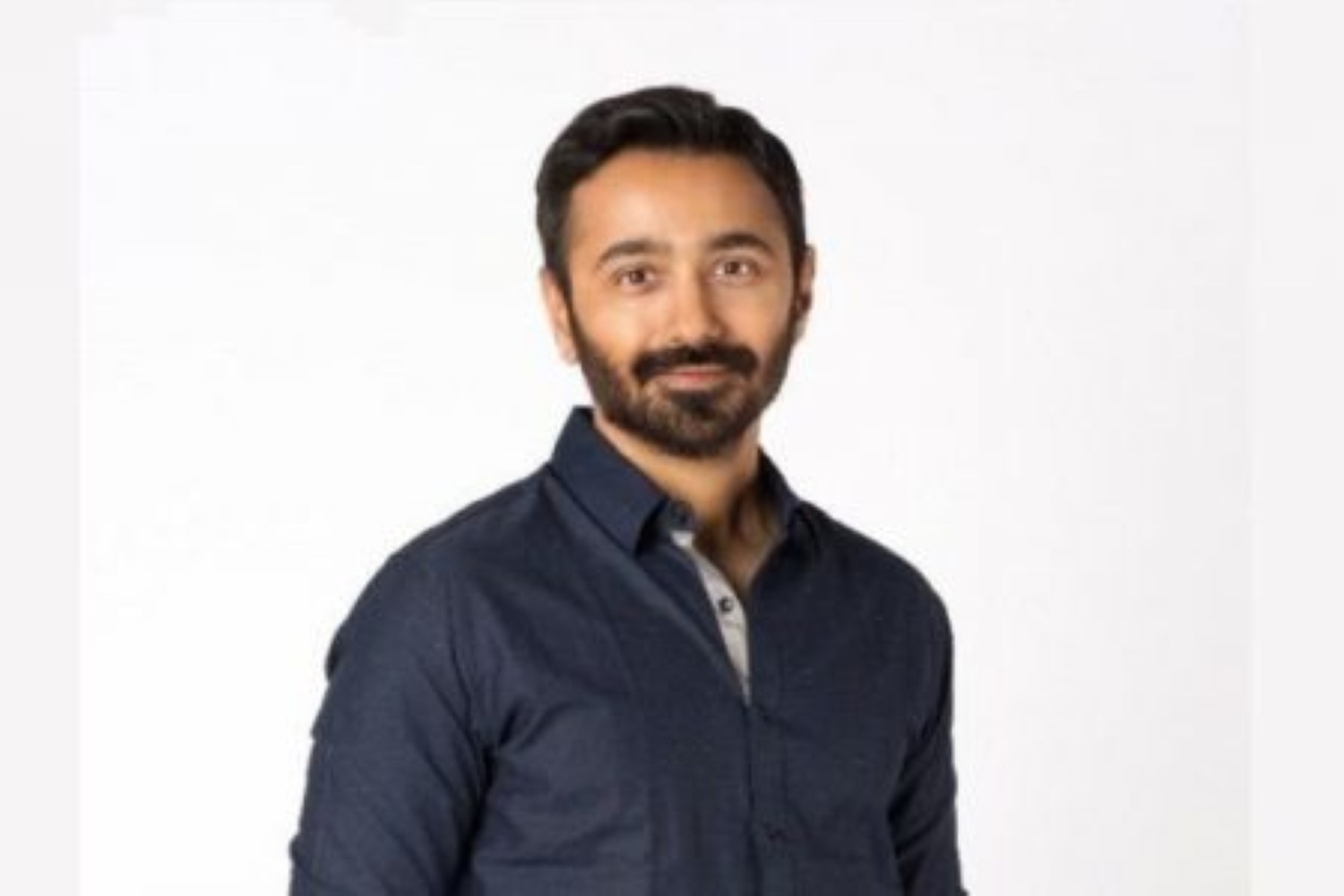
In this article, Varun Sheth, CEO and Co-Founder, Ketto, discusses how the growing convergence of CSR and digital crowdfunding is helping bridge critical healthcare gaps for India’s uninsured middle class.
The healthcare system in India is progressively changing to reflect both community-driven innovation and institutional initiatives. Medical costs can be a major obstacle for many middle-class people, who frequently do not qualify for government subsidies and may not necessarily be able to choose private insurance. Two trends are starting to affect the usually low visibility of this segment in healthcare planning. Digital crowdfunding platforms and corporate social responsibility (CSR) initiatives are increasingly collaborating, sometimes in tandem, to offer more channels for assistance. Together, they are bringing together the immediacy of citizen-led fundraising and structured corporate contributions to create new avenues for families to receive prompt care.
The Middle-Class Gap
A sizable portion of India's population is the uninsured middle class. Even if their salaries are consistent, household budgets can be rapidly overwhelmed by medical emergencies. Families are often compelled to take out loans with hefty interest rates or deplete their funds for a single procedure or extended course of therapy. Although this gap has long been acknowledged, it is rarely structured.
Corporate CSR
Indian companies' contributions to healthcare have steadily grown since the Companies Act of 2013 mandated CSR spending. These funds are now being used for long-term initiatives like mobile health units, diagnostic facilities, and specialized treatment programs rather than just one-time gifts. Big businesses have contributed to hospital construction, medical research, and awareness-raising initiatives.
These programs give middle-class families access to reasonably priced or subsidized medical care. To ensure that high-quality care is not limited to urban regions, CSR-backed clinics and initiatives expand their reach into semi-urban and rural locations. CSR builds a foundation that communities can rely on by bolstering resources and infrastructure.
Community Fundraising
A new method of supporting healthcare has been made possible by digital crowdfunding platforms such as Ketto. By posting their stories online and reaching out to networks of friends, coworkers, and even complete strangers, families may generate money for treatments. Because of the urgency of these fundraisers, they often attract quick attention and support.
Crowdfunding provides accessibility and immediacy for the middle class without insurance. It uses group goodwill rather than more conventional obstacles like premiums or collateral. Crowdfunding has emerged as an increasingly used avenue to raise funds for complex procedures, cancer treatment, or newborn care.
The Power of Convergence
The connection between crowdfunding and corporate social responsibility is the most exciting development. Crowdfunding platforms and corporations are starting to collaborate, increasing the influence of both. Donations made online may be matched with CSR money, amplifying the assistance available to families. Some businesses support certain initiatives, giving prompt support for urgent medical situations.
This hybrid strategy combines the flexibility and emotional resonance of citizen-driven funding with the scope and legitimacy of corporate giving. It provides middle-class families with a buffer against financial strain by establishing a tiered safety net that is both responsive and structured.
Transparency and Trust
Accountability is emphasized in both crowdfunding and CSR. While crowdfunding platforms offer real-time details on fund utilization, corporations reveal their CSR expenditures in their yearly reports. Donors and beneficiaries engage more when transparency builds trust between them. This transparency is especially comforting for middle-class families, who frequently look for security and clarity before interacting with financial support programs.
Upcoming Trends
Technology is reshaping generosity by making donations faster, clearer, and more personal. Digital payments, mobile access, and AI tools help donors respond instantly to urgent needs. Crowdfunding turns charity into a community effort, where many small contributions add up, and real-time stories shared on social media inspire quick, viral action.
The Challenges and Opportunities
Although the framework shows promise, it has drawbacks. Because crowdfunding efforts often rely on emotional appeal and visibility, social media and digital media algorithm may not show all fundraisers leading to some not receiving sufficient funding. Different industries may have different CSR activities.. However, these difficulties also offer chances for innovation, like the development of pooled finances, organized collaborations, and legislative incentives to match CSR with more general healthcare needs.
Way Forward
CSR and crowdfunding must be more closely integrated with public policy in order to reach its full potential. In turn, crowdfunding websites might work with insurance companies to create hybrid solutions that cover coverage gaps.
These developments have the potential to greatly help the uninsured middle class, which has long been disregarded in healthcare planning. India is gradually shaping a more blended model of healthcare funding that combines institutional accountability with community participation by fusing institutional power with community-driven empathy.
Conclusion
Digital crowdfunding and CSR funds together form an effective new structure, but they are not a replacement for universal healthcare. They are the epitome of cooperation, openness, and shared accountability. This confluence provides a useful safety net that combines business responsibility with human compassion for India's uninsured middle class. As these systems develop, they have the potential to completely transform the way healthcare is provided in India, enabling families to deal with illness issues in a resilient and respectable manner.