
Tata AI Sakhi Immersion Program Trains 1,553 Rural Women at India AI Impact Summit 2026
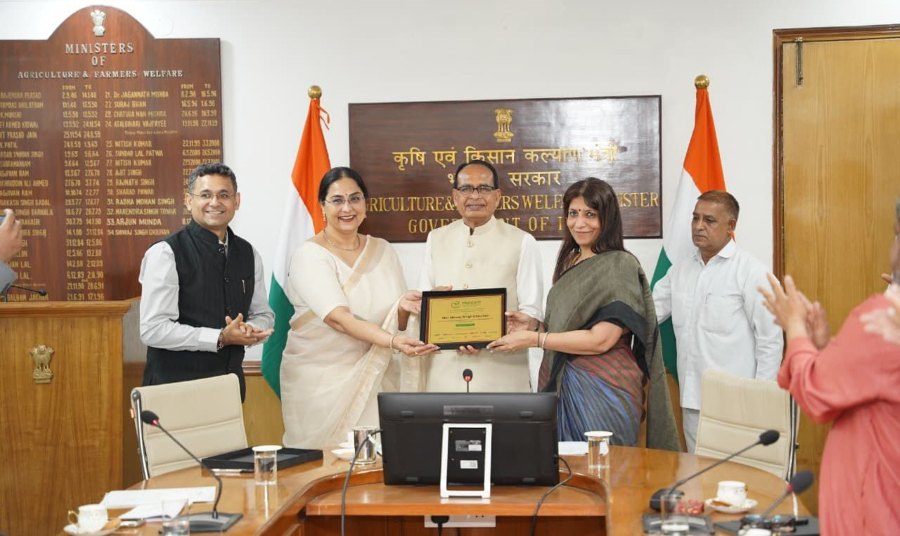
New Delhi, 18 February, 2026: Reinforcing its focus on inclusive, technology-led growth, the Tata Group convened the Tata AI Sakhi Immersion Program at the India AI Impact Summit 2026, showcasing how artificial intelligence can be used as a practical tool for entrepreneurship and self-reliance among women artisans and rural entrepreneurs.
Hosted in the presence of Smt. Smriti Irani, Chairperson, Alliance for Global Good, Gender Equity & Equality, CII, and Smt. Aarthi Subramanian, Executive Director & COO, TCS, the programme brought together 1,553 women participants from six states—Jharkhand, Bihar, Odisha, Rajasthan, Gujarat, and Delhi NCR.
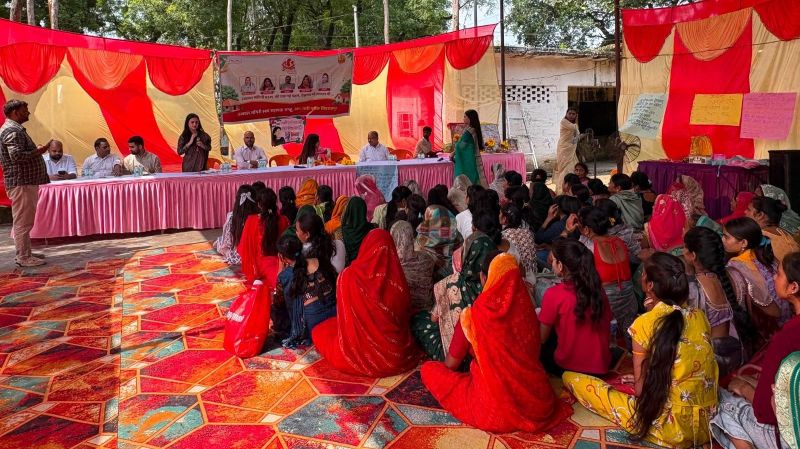
The participants were divided into three cohorts—Artisanal, Digitally Literate (Basic), and Digitally Literate (Advanced)—comprising artisans, self-help group (SHG) leaders, grassroots entrepreneurs, and community facilitators. The immersion followed a high-touch mentorship model, with one mentor supporting every five participants to provide real-time guidance.
Over the course of 2.5 hours, the women collectively completed 4,727 AI-powered tasks. Advanced cohorts recorded a 98% completion rate for assigned tasks. Participants used AI tools on their own mobile phones and in their local languages to explore product designs, create marketing materials, translate documents, understand government schemes, and prepare applications.
Aarthi Subramanian, ED & COO, TCS, said, “It’s very heartening to witness thousands of women from across the country participating in the Tata AI Sakhi Immersion Program. At Tata Group and TCS, we firmly believe that technological advancement must go hand in hand with the parallel progress of communities. Through the Tata AI Sakhi Immersion Program, we are on a journey to encourage and empower thousands of women artisans and entrepreneurs in rural India to harness the power of AI, not just as a tool, but as a force to unlock creativity, expand opportunities, and build sustainable livelihoods. This is our vision of inclusive growth, where technology becomes a bridge to shared prosperity and a stronger, self-sustaining India.”
Among the participants, 447 traditional artisans leveraged AI to generate design ideas and product concepts for crafts such as Pattachitra, Madhubani, and Dokra. Additionally, 940 women from self-help groups used AI for object identification, accessing government schemes, drafting business communications, and creating marketing content. The advanced cohort of 166 women entrepreneurs, many earning approximately ₹20,000 per month, explored AI for business growth and self-learning.
Unlike conventional awareness programmes, the immersion focused on live demonstrations and guided applications, enabling participants to integrate AI tools into everyday economic and administrative activities. The initiative reflects the Tata Group’s approach of using technology to bridge digital divides and strengthen grassroots entrepreneurship.