Chance2Sports Redefining Grassroots Access and Sporting Equity in India
Grassroots sport in India sits at the intersection of aspiration and inequity. While the nation celebrates elite podium finishes, countless young athletes in tier two and tier three cities struggle for access, infrastructure, and financial backing. The deeper question confronting India’s sporting future is not whether talent exists, but whether opportunity is equitably distributed. In this evolving landscape, purpose driven foundations are beginning to challenge entrenched models that restrict participation to those who can afford it.
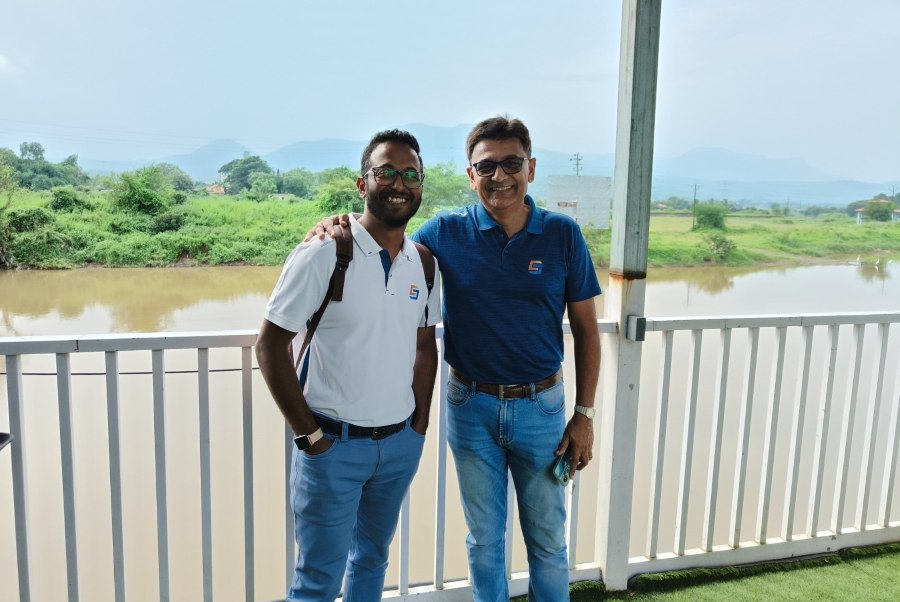
In this conversation, Abhinav Sinha, Co Founder of Chance2Sports, articulates a bold vision that moves beyond the traditional pay to play ecosystem and towards structured, long term athlete development rooted in access, accountability, and inclusivity. From its grassroots identification programmes to the multi year NextGen Super 30 initiative and its integration with the sports technology platform Sportsskill, Chance2Sports is building a system that prioritises depth over optics and sustainability over short term wins. The discussion captures not just the mechanics of athlete support, but a larger ambition to reshape how India discovers, nurtures, and sustains sporting excellence across regions, genders, and disciplines.
Scroll down to read the full interview:
Q. How would you describe the core philosophy of Chance2Sports, and in what ways does it challenge traditional pay to play models in Indian sports development?
A. Chance2Sports is a grassroots sports foundation that was established in 2022 with a very clear purpose to identify and support sporting talent that often gets lost at the ground level due to a lack of access, resources, and structured training. The concept germinated from our (Chetan Desai, our co- founder and mine) own experiences when we spent a lot of time at the grassroots, interacting with young athletes and coaches. What we realised quickly and something which we always knew was that India doesn’t lack talent; there is plenty of it.
The real problem is that talent has very limited access to the right training methods, and more importantly, they don’t have the financial means to sustain that training. I was running a similar program in squash since 2009 in Pune and Mumbai, that’s where we formalised our idea of Chance2Sports. We saw how the pay-to-play model dominates sports in India and how it benefits only a certain section of society. For families below or even slightly above the average income level, sustaining coaching, travel, equipment, and tournaments is nearly impossible. As a result, talent gets lost right at the beginning. Chance2Sports was started to bridge exactly this gap by removing the financial burden and giving deserving athletes the optimum chance to grow and excel.
Q. In an ecosystem where grassroots sports initiatives often struggle for visibility, how does Chance2Sports define sustainable impact beyond short term success stories?
A. Anything done at the grassroots per se is inherently difficult to scale or gain visibility. Without deep pockets or funding, reach is limited, the work is slow, and growth is always constrained. That’s the reality of grassroots sports in India. We’ve realised that it requires consistent financial support and a dedicated team. Champions are not made in a day, it’s a long process where talent identification at the grassroots becomes vital. At this point of time, we are not heavily funded. We are supported by a small but committed group of patrons, individuals and organisations, who genuinely love sports and believe in what we’re doing. Based on the funds we generate, we plan responsibly and realistically. At the same time, we do believe that if more government bodies, institutions, and larger organisations collaborate after seeing our work, the impact can grow. We’re open to partnerships, but always with the same philosophy: depth over numbers.
Q. How does the foundation’s work contribute to inclusive access to sports opportunities, particularly for young athletes from tier two and tier three cities?
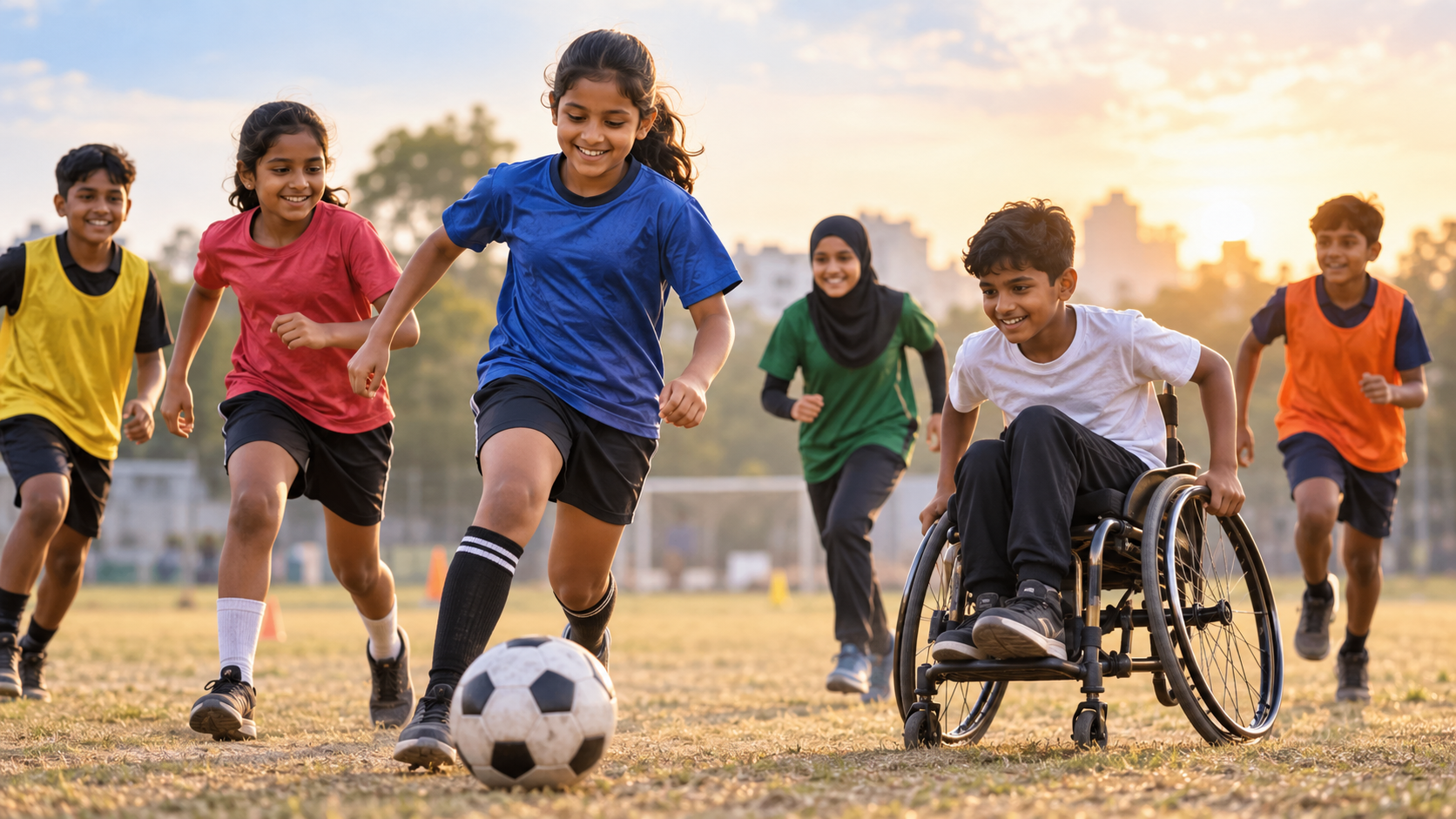
A. Our focus is very clear, we actively target and identify athletes from tier-two and tier-three cities. These are places where talent exists, exposure and access are limited but the hunger to excel and succeed is huge. Once identified, we make sure these athletes get comprehensive support. Many of them are brought to Mumbai for advanced training, and we take care of their nutrition, travel expenses, coaching, and tournament participation. We ensure they compete in all important competitions so that their talent is visible at national and international platforms. Our goal is simple: Chance2Sports athletes should be seen, recognised, and given the right opportunities regardless of where they come from.
Q. The NextGen Super 30 initiative aims to support young athletes over multiple years. What long term outcomes do you expect from this approach, both in terms of sporting excellence and social development?
A. The NextGen Super 30 is our long-term athlete development programme (LADP). From a pool of over 1,000 young athletes across India, we will select the top 30 based on potential, commitment, and ability. These athletes, across various sports will then be groomed through structured training, mentoring, and consistent competitive exposure. It’s not a short-term programme, it’s designed to support them through critical development years. This year, our focus is on working deeply with the 30 identified athletes. As the programme stabilises, our intention is to scale gradually, possibly to 60 athletes next year and continue the process. We seek scale and growth, but not at the cost of quality.
Q. Chance2Sports invests in athletes’ physical training, mental conditioning, and competitive exposure. How do you ensure these interventions remain consistent and effective across different regions and sports disciplines?
A. Chance2Sports raises funds specifically to train athletes and give them the support they need. While we currently work strongly in sports like squash, our vision is not limited to one discipline. We aim to expand into other racket sports, as well as team sports, and any sport where we identify genuine talent that lacks access. Once an athlete is identified, we connect them with the right coaches, many of whom are national and international-level professionals with whom we collaborate. This network ensures that athletes receive consistent, high-quality guidance, regardless of sport or geography.
Q. Technology has become an important enabler in modern sports development. How does Chance2Sports integrate data and digital tools into its grassroots programmes while keeping the athlete at the centre of the process?
A. Technology plays a crucial role in what we do. Chance2Sports is closely integrated with our sports tech platform, Sportsskill, which has been constantly evolving. In recent months, we’ve introduced AI-driven features that help athletes understand their techniques, training methods, and areas of improvement. This tech-based feedback works alongside human coaching; it complements, not replaces it. We also collect data points on performance and progress, which helps us continuously refine our training methods and make better decisions for athlete development.
Q. With a Chance2Sports athlete recently representing India at the junior level in squash, what does this milestone indicate about the effectiveness of sustained grassroots investment?
A. It’s a strong validation that we are on the right track. Our athletes are already competing at National and International levels, and this milestone reinforces that sustained grassroots investment works. Two of our athletes from the program are Women’s Junior Champions. For us, it’s not just a moment of pride; it’s motivation. It encourages us to continue improving and to bring more athletes into the system.
Q. Beyond elite performance, how do you assess the broader social impact of your programmes, such as education continuity, confidence building, and community upliftment?
A. Our impact goes far beyond performance on the court. Through SportsSkill and Chance2Sports, we track and support mental health, physical well-being, nutrition, and emotional growth. These interventions don’t just help athletes in sport; they help them in life. We see improved discipline, maturity, confidence, and resilience. These are life skills that stay with athletes regardless of where their sporting careers take them. We understand that education is vital and where athletes require such support, we actively look to facilitate the same. That deeper, long-term impact is something we’re extremely proud of.
Q. From a CSR perspective, how do you engage with corporate partners and donors to ensure transparency, accountability, and alignment of values in long term sports development initiatives?
A. Transparency is non-negotiable for us. Since we function as a foundation, CSR funding forms an important part of our support system. We maintain complete transparency in our accounts and regularly share detailed reports with patrons that cover athlete performance, progress, and the utilisation of funds. We also encourage our patrons to visit, interact with athletes, and see the work firsthand. Trust is something we never compromise on.
Q. Looking ahead, how do you see Chance2Sports contributing to a more balanced and inclusive sports ecosystem in India, especially for disciplines that traditionally receive limited CSR and institutional support?
A. Chance2Sports already contributes significantly to inclusivity. A large number of our athletes are girls, and we ensure equal focus and opportunity for both boys and girls. For girl athletes especially, safety, care, and a supportive environment are non-negotiable. We lead by example rather than by noise; we let our work and our athletes speak for us. As Chance2Sports is sports-agnostic, various disciplines with limited CSR and support come under our spectrum of activities. As our athletes grow and eventually represent India at international levels, they become living testimonials of what equitable access can achieve. That’s the impact we believe in, and that’s the confidence we carry forward.


.png)