Saad Kassis-Mohamed on Turning Ocean Commitments into Measurable Action
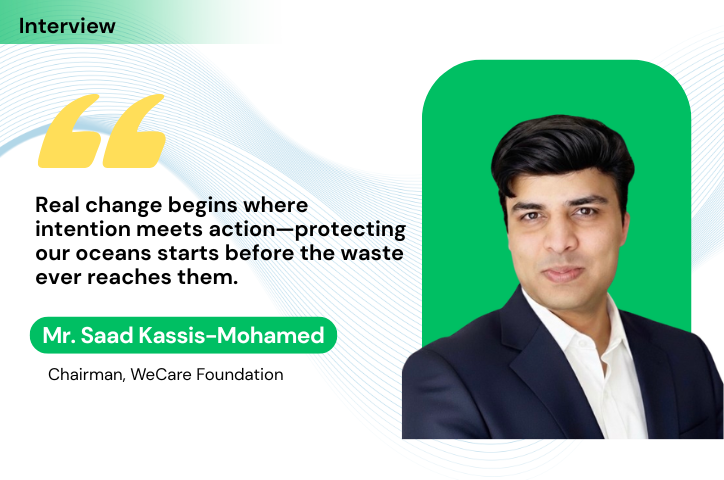
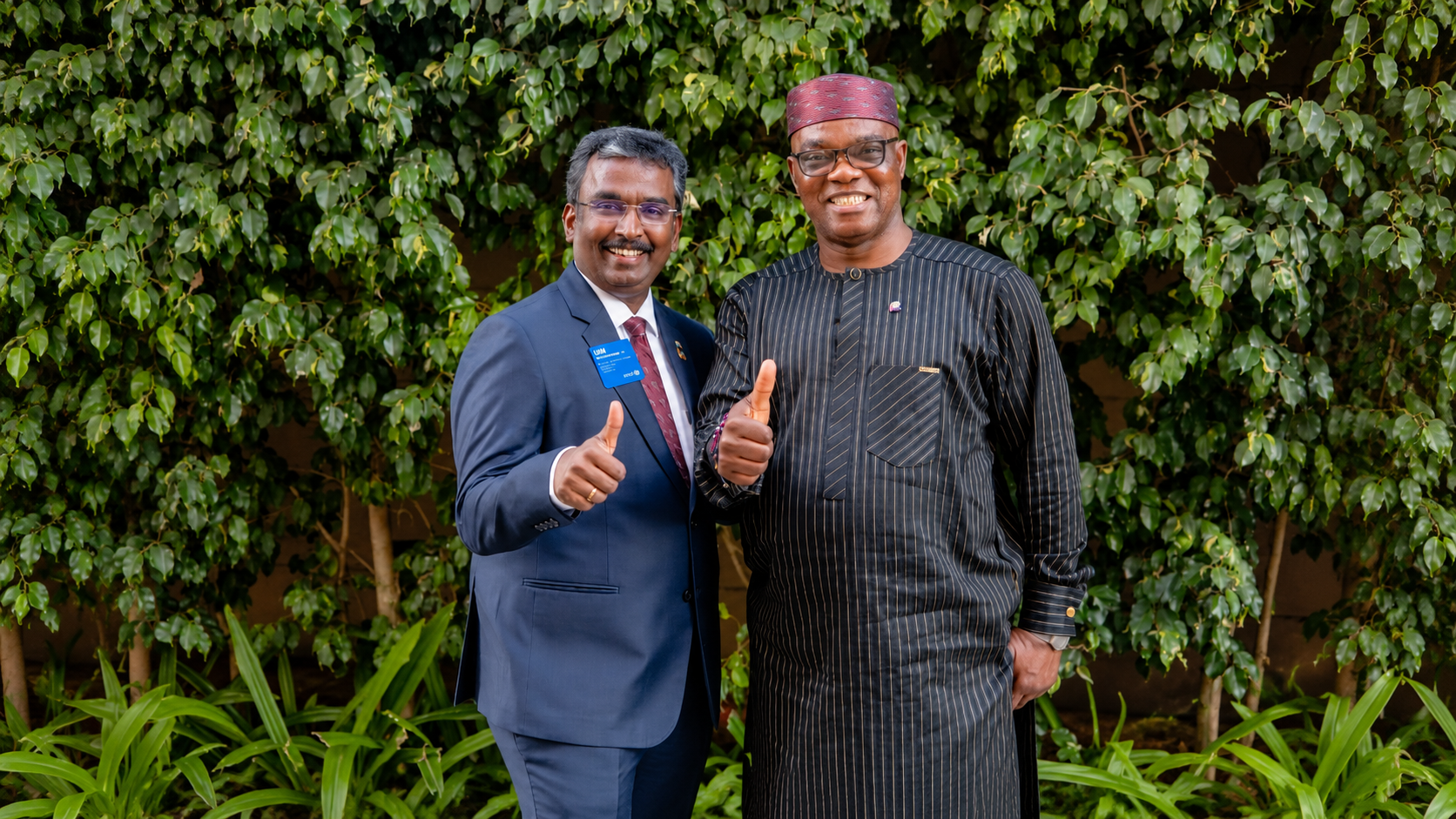
As the global conversation on sustainability deepens, ocean protection is increasingly seen not just as an environmental concern, but as a governance and accountability challenge. In this context, Saad Kassis-Mohamed, Chairman of WeCare Foundation, brings a systems-driven perspective shaped by his work across multiple initiatives.
In this interview, Saad discusses how governments, NGOs, and private partners can work together to stop waste before it reaches open water and build infrastructure that ensures real, measurable outcomes. He highlights WeCare’s efforts in strengthening interception and collection systems in high-leakage zones, improving compliance and reporting across waste chains, and setting shared standards for what effective ocean safeguarding should look like.
The conversation also explores the importance of scaling responsible recycling, building credible supply chains, and moving from intent to verified impact. With a conservation goal of safeguarding up to one million tonnes of ocean environments, Saad shares what it will take for public and private stakeholders to deliver results that are transparent, trusted, and truly sustainable.
Scroll down for more information:
Q. What is the vision behind WeCare Foundation's ocean safeguarding initiative, and what key gaps are you trying to address through it?
A. The vision is simple, ocean protection that actually works. There is no shortage of pledges, awareness campaigns, or one off cleanup events but very little accountability for what happens between a commitment and a measurable outcome. WeCare exists to close that gap. We focus on the systems that prevent waste from reaching the ocean in the first place, and on ensuring that what is collected is tracked, verified, and processed through credible channels. The gap we are addressing is the one between intention and throughput.
Q.. Your work emphasises prevention rather than only clean-up activities. Why is stopping waste before it reaches open water so critical for protecting ocean ecosystems?
A. Once plastic enters the open ocean, recovery becomes exponentially harder and more expensive. The science is clear, the majority of ocean plastic originates from a relatively small number of high leakage points on land. If you can intercept waste at those points, you are solving the problem at source rather than chasing it across thousands of miles of open water. Prevention is not just more effective, it is the only approach that is sustainable at scale.
Q. Could you explain the main objectives of this campaign and the timeline or duration for achieving its targets?
A. Our stated conservation goal is to support the safeguarding of up to one million tonnes of ocean environments through coordinated prevention, recovery, and partner-led enforcement. This is not a short term campaign, it is a multi-year programme built around durable infrastructure and verifiable outcomes. We are currently in active deployment phase with government and NGO partners, with formal milestone reviews built into our reporting cycle.
Q. WeCare has been working on interception and collection points in high leakage zones. How do these measures help improve waste management before it reaches the ocean?
A. High-leakage zones, poorly managed waste corridors near coastlines, rivers, and ports are where the battle is won or lost. By placing structured interception and collection infrastructure at these points, we create a barrier that stops waste before it enters the marine environment. These are not static installations; they require ongoing management, community engagement, and data collection to remain effective. The goal is to turn leakage points into accountability points.
Q. The initiative also focuses on compliance and reporting across local waste chains. How can clearer standards and accountability strengthen ocean protection efforts?
A. Right now, "ocean safeguarding" means different things to different organisations. Without shared standards, it is impossible to aggregate progress, identify failures, or hold partners accountable. WeCare has been working to establish clearer compliance frameworks across local waste chains so that what gets reported reflects what actually happened. Transparency is not a nice to have; it is the foundation on which credible impact is built.
 Q. How important is scaling recycled waste processing and building credible supply chain partnerships to ensure collected waste is handled responsibly?
A. Critically important and chronically underinvested. Collection without processing is incomplete. We have seen too many initiatives where waste is collected, photographed, and then mishandled downstream. WeCare's approach ensures that collected material moves through verified processing and supply chain partnerships. This closes the loop and creates the kind of end to end accountability that gives funders, governments, and the public reason to trust the numbers.
Q. Collaboration seems central to this effort. How have partnerships with governments, NGOs, and other stakeholders helped enhance the effectiveness of your initiatives?
A. Ocean waste is not a problem any single organisation can solve. Governments bring regulatory reach and infrastructure. NGOs bring community trust and local knowledge. Private partners bring processing capacity and supply chain access. What WeCare provides is the coordination layer, shared standards, joint accountability, and the ability to aggregate impact across partners in a way that individual actors cannot do alone. The sum is genuinely greater than the parts.
This collaborative instinct extends beyond ocean pollution. WeCare has been actively involved in supporting communities affected by the conflict in Sudan, where the humanitarian and environmental crises are deeply intertwined. In conflict zones, access to clean water becomes precarious almost immediately and the degradation of ocean and water environments compounds an already desperate situation. Communities already deprived of stability should not also be deprived of the natural resources they depend on to survive.
We believe ocean conservation is not a luxury issue. For populations living through conflict or poverty, healthy ocean and water ecosystems are often the difference between having a food and water source and having none. That is why WeCare's partnerships in fragile and conflict-affected contexts are as important to us as our work in more stable environments and why we see safeguarding ocean health as inseparable from safeguarding human dignity.
Q. Looking ahead, what steps should public and private partners take now if they want measurable and trusted results in safeguarding ocean environments?
A. Three things. First, commit to verification not just reporting, but independent, third-party verified outcomes. Second, invest in prevention infrastructure, not just clean-up optics. And third, adopt shared standards for what ocean safeguarding means, so that progress can be measured consistently across partners and geographies. The public is increasingly sophisticated about greenwashing. The organisations that will earn long-term trust are the ones that prioritise measurable throughput over impressive-sounding pledges.




.png)