Drychem India on Creating Sustainable Education Ecosystems Through CSR
As India continues to prioritise education as a cornerstone of inclusive development, bridging infrastructure gaps in government and community schools remains a critical challenge. While policy frameworks have expanded access, the quality of learning environments, ranging from basic facilities to digital tools, often determines whether students can truly benefit from these opportunities. In this context, corporate-led interventions are playing an increasingly important role in strengthening foundational education ecosystems at scale.
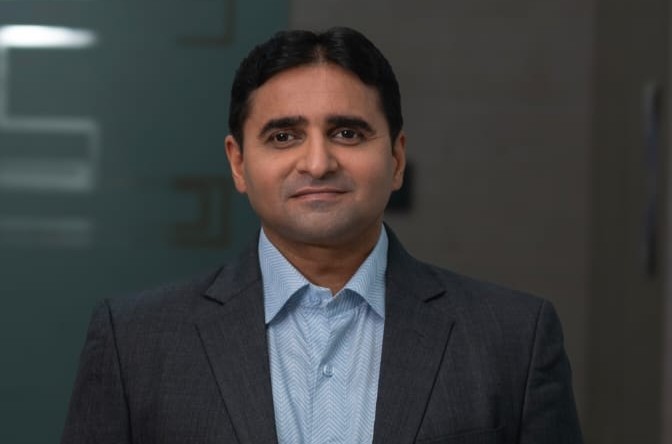
In this conversation, Kaushal Mehta, Managing Director, Drychem India Pvt. Ltd, shares insights into the company’s initiative to enhance infrastructure across more than 100 schools under its CSR programme. He discusses how a combination of need-based interventions, local partnerships, and sustained engagement is helping improve learning environments, drive better educational outcomes, and create long-term impact across underserved communities.
Read the full interview below.
Q. What was the key motivation behind strengthening infrastructure across more than 100 schools, and how does this align with Drychem India’s broader CSR vision?
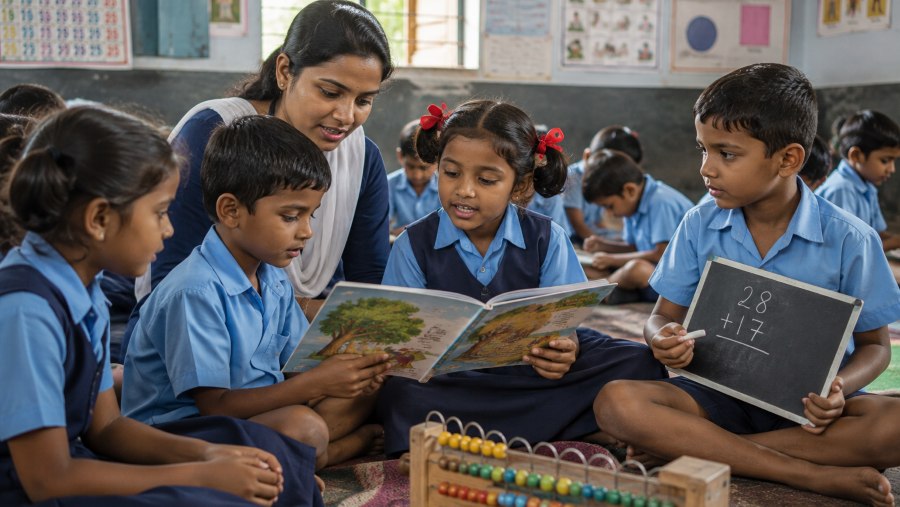
A. Education has always been central to our belief that meaningful nation-building begins in the classroom. The motivation behind strengthening infrastructure across more than 100 schools was rooted in a simple yet critical gap: access to a conducive learning environment. Many government and community schools continue to function with inadequate basic facilities, which directly impacts both attendance and learning outcomes.
This initiative aligns closely with our broader CSR vision of creating equitable opportunities. At Drychem India, we see CSR not as a one-time intervention, but as a sustained effort to build ecosystems that enable long-term growth. By improving school infrastructure, we are investing in foundational change that empowers students, supports educators, and strengthens communities over time.
Q. The initiative spans multiple states. How did you identify and prioritise these geographies?
A. Our approach to geography selection is both strategic and need-based. We prioritised regions where we have an operational presence, as this allows us to stay closely engaged with local communities and ensure continuity in implementation.
Within these states, we worked with local authorities and grassroots partners to identify schools with the most pressing infrastructure gaps. Factors such as rural or tribal location, student strength, existing facilities, and community dependency played a key role in prioritisation. The idea was to ensure that our interventions reached areas where they could create the most meaningful impact.
Q. Could you elaborate on the range of infrastructure interventions and how they address critical gaps?
A. The interventions were designed to address both fundamental and evolving needs within schools. At a basic level, we focused on essentials such as classroom furniture, writing boards, sanitation facilities, lighting, and safe drinking water. These are non-negotiables for a functional learning environment.
At the same time, we introduced digital tools such as computers, TVs, printers, and audio systems to bridge the digital divide and enhance teaching methods. Additional upgrades, such as boundary walls and office furniture, contribute to safety and administrative efficiency.
Together, these interventions address not just physical gaps but also improve the overall learning experience, making classrooms more engaging, inclusive, and effective.
Q. How do you ensure that these upgrades translate into improved learning outcomes?
A. Infrastructure is only the starting point. To ensure real impact, we focus on utilisation and continuity. This involves working closely with school administrations and teachers to ensure that the resources provided are actively integrated into daily teaching practices.
We also emphasise accountability and follow-up through periodic assessments and feedback from stakeholders. By combining infrastructure with engagement and monitoring, we aim to ensure that these upgrades contribute to better attendance, improved student participation, and ultimately, stronger learning outcomes.
Q. What unique challenges did you encounter in rural areas, and how were they addressed?
A. Working in remote rural areas presents distinct challenges, including accessibility, limited local infrastructure, and sometimes a lack of awareness or resources for maintenance.
To address these, we adopted a highly localised approach. We engaged directly with community leaders, gram panchayats, and school authorities to build trust and ensure alignment. Logistics were planned carefully to overcome access barriers, and solutions were tailored to the local context.
Community involvement has been key in ensuring both acceptance and long-term sustainability in these regions.
Q. How do partnerships contribute to effective implementation and sustainability?
A. Collaboration is at the heart of this program. Partnerships with local authorities and school administrations ensure that interventions are aligned with actual needs and integrated into existing systems.
These stakeholders also play a crucial role in maintaining the infrastructure and ensuring its continued use. By involving them from the planning stage through to execution and monitoring, we create a sense of ownership, which is essential for sustainability.
Q. What key metrics do you use to measure success across these schools?
A. We take a multi-dimensional approach to impact measurement. Key indicators include improvements in student attendance, retention rates, and classroom engagement. We also look at utilisation rates of the infrastructure provided, such as digital tools and sanitation facilities.
Qualitative feedback from teachers, students, and community members is equally important, as it provides insights into changes in the learning environment and overall experience. Together, these metrics help us assess both immediate and long-term impact.
Q. How does this initiative integrate with other programmes under the Walplast Welfare Foundation?
A. This initiative is part of a larger, interconnected CSR ecosystem under the Walplast Welfare Foundation, where our focus is on creating layered and sustainable impact rather than isolated interventions.
For instance, our support for girls’ education, through previous initiatives like Project Nanhi Kali complements the current infrastructure upgrades project by ensuring that improved facilities translate into greater access, continuity, and retention for girls.
At the same time, our community development efforts help strengthen the broader ecosystem in which these schools operate by improving basic amenities, engaging with local stakeholders, and supporting community institutions.
By aligning these programmes, we aim to create a more holistic and inclusive impact, one that not only enhances learning outcomes but also builds stronger, more resilient communities around them.
Q. What steps are being taken to ensure long-term maintenance and usability?
A. Sustainability is a key focus area for us, and it is built into the initiative right from the design stage. We prioritise infrastructure that is durable, context-appropriate, and easy to maintain, especially in rural and resource-constrained environments.
Equally important is building a sense of ownership. We work closely with school authorities, local administrations, and community stakeholders to ensure accountability and long-term upkeep. Where required, we provide basic training and guidance to support effective usage and maintenance.
In addition, we maintain ongoing engagement through periodic follow-ups, which helps ensure that the infrastructure continues to be utilised optimally and delivers sustained value over time.
Q. Do you see this model being scaled further across India, and what role can corporates play?
A. We absolutely see potential for scaling this model. The need for infrastructure development in the education sector remains significant across the country, and structured, collaborative approaches can make a meaningful difference.
Corporations have a critical role to play, not just through funding, but by bringing strategic thinking, execution capabilities, and long-term commitment to the table. When CSR initiatives are designed for scale and sustainability, they can complement government efforts and contribute significantly to bridging systemic gaps in education.




.png)