Restoring Water, Rebuilding Futures: A Community First Approach to Rural Resilience
Development, at its most meaningful, begins where the smallest everyday struggles are eased. In many parts of rural India, water is not just a resource, it is time, dignity, livelihood, and the difference between staying and leaving. As climate uncertainties deepen and traditional water systems weaken, the scale of the challenge becomes clearer, demanding solutions that are both immediate and enduring.
It is within this context that initiatives by Tata Motors, led through the Tata Motors Foundation, present a compelling model of change. In Maharashtra alone, the restoration of over 1,450 water bodies across 25 districts since 2023 has created more than 3,000 crore litres of additional water storage capacity, positively impacting nearly 7 lakh people. Moving beyond infrastructure, the approach focuses on rebuilding ecosystems, strengthening local governance, and enabling community ownership, while also delivering deeply human outcomes such as reduced seasonal migration, easing the burden on women, and enabling farmers to shift towards more resilient, high value crops.
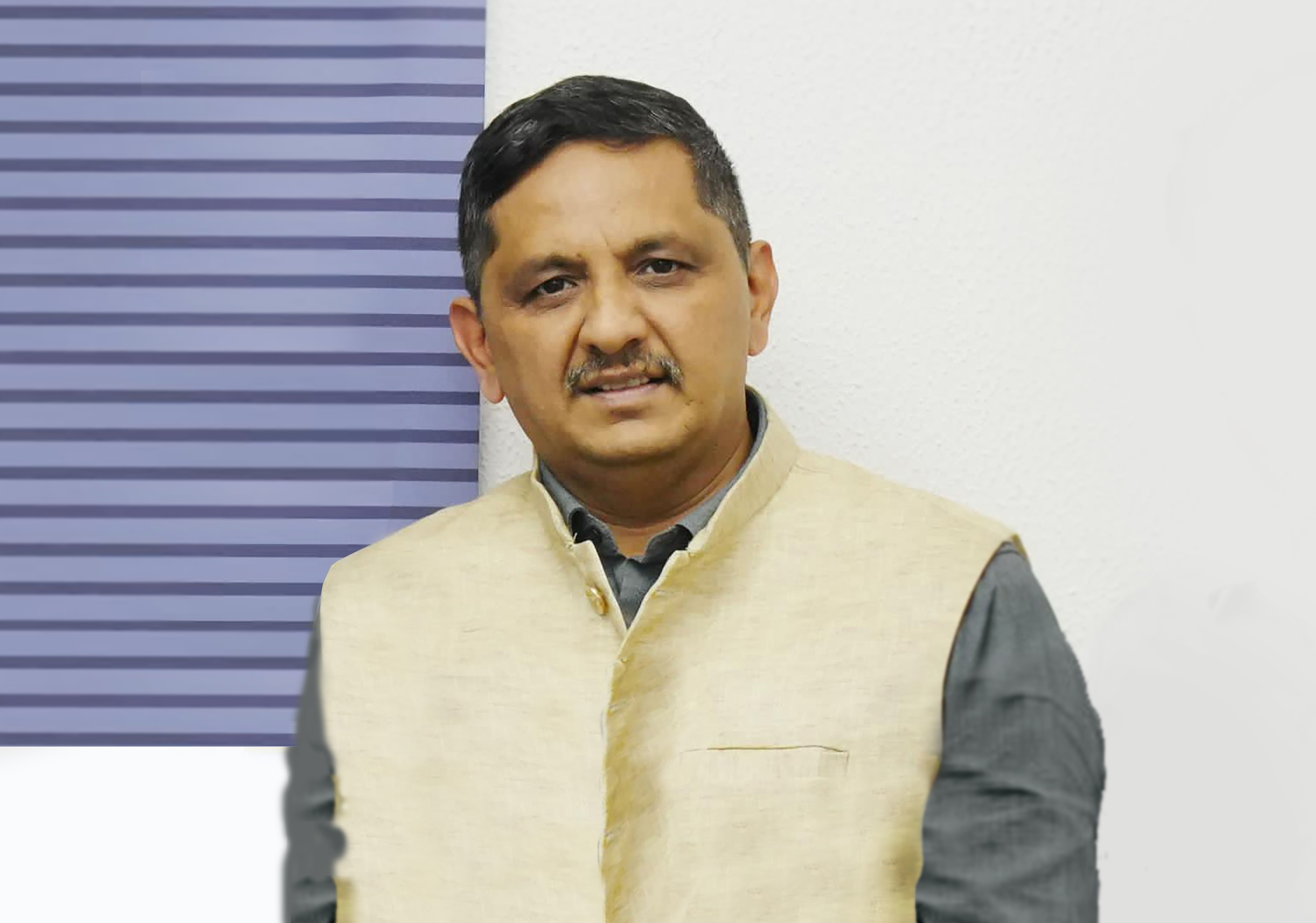
In this exclusive interaction with TheCSRUniverse, Vinod Kulkarni, CEO, Tata Motors Foundation, reflects on how water conservation, when designed as a community driven and collaborative effort, can become a powerful catalyst for sustainable livelihoods, climate resilience, and long term rural transformation, while outlining an ambitious roadmap to rejuvenate 1,500 water bodies across 25 districts in FY 25–26.
Read on to explore the full conversation.
Q&A
Q. Tata Motors has been actively working on water conservation and watershed development across several regions in India. How do these initiatives reflect the company’s broader approach to community development?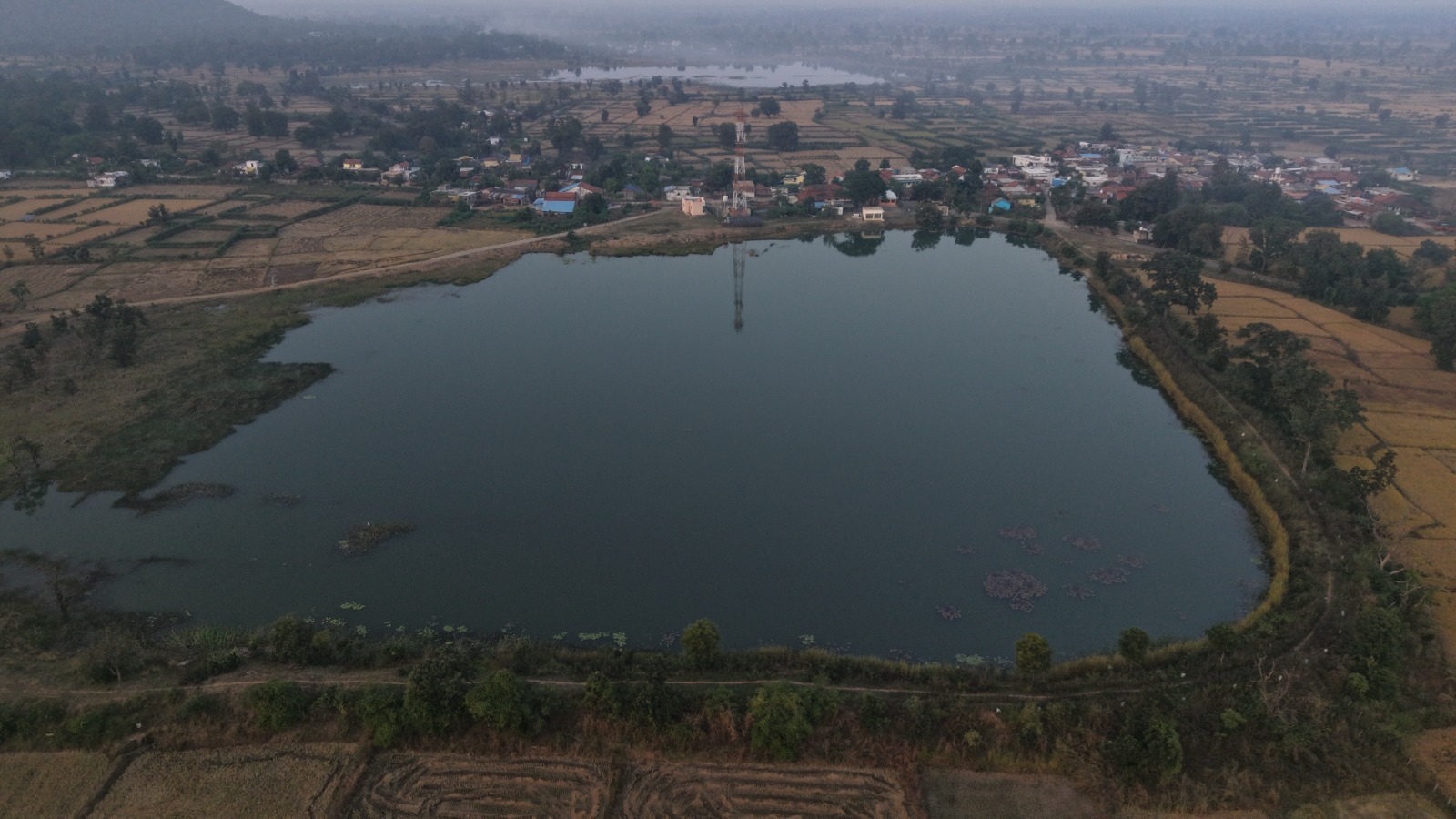
A. Water security plays a critical role in rural development. At Tata Motors, our water conservation efforts align closely with our larger community development agenda, which focuses on providing livelihood opportunities, strengthening governance and building self-sustaining societies.
Guided by our philosophy of “More for Less from More”, we leverage government schemes, foster partnerships and encourage community participation to provide water security in the geographies that need them the most. In Maharashtra alone, we have rejuvenated over 1,450 water bodies across 25 districts since 2023, creating 3,000+ crore litres of additional storage capacity and benefiting nearly 7 lakh people.
By restoring water bodies, improving groundwater recharge, and strengthening local water governance, we are helping build climate resilience and more sustainable livelihoods for farming communities.
Q. Water scarcity continues to affect many rural communities across India. From your experience, how can corporate-led initiatives contribute to addressing this challenge in a meaningful and sustainable way?
A. India’s water security challenges require solutions that are collaborative, contextual, and community-owned. It presents a transformative opportunity to foster public-private partnerships that harness government initiatives, private sector innovation and community participation to build-scalable, long-term solutions. By involving local residents in the planning, execution, and monitoring phases, such projects become self-sustaining and deeply rooted in the community.
At Tata Motors, we use CSR resources as catalytic capital—initiating projects that are strengthened through convergence with schemes such as Gal Mukt Dharan Gal Yukt Shivar Yojana in Maharashtra.
Our approach focuses on restoring existing water bodies, enhancing storage capacity, and improving groundwater recharge. Regular meetings and reviews are conducted with the concerned government and administrative officers. We have strengthened the programme through digital and technological integration for monitoring and payments, which brings transparency and credibility.
Equally important is strengthening local capacity. Once the water bodies are handed over to the gram panchayats, Tata Motors conducts structured community training programmes, equips local stakeholders to maintain these assets independently. With the expansion of programme to 25 districts, Tata Motors has on-boarded Water Fellows or local champions to assist in the executing and monitoring of the projects. This blend of infrastructure development and community ownership ensures long-term sustainability and scalability.
Q. How do you decide which social and environmental challenges to focus on so that your initiatives create meaningful change for communities?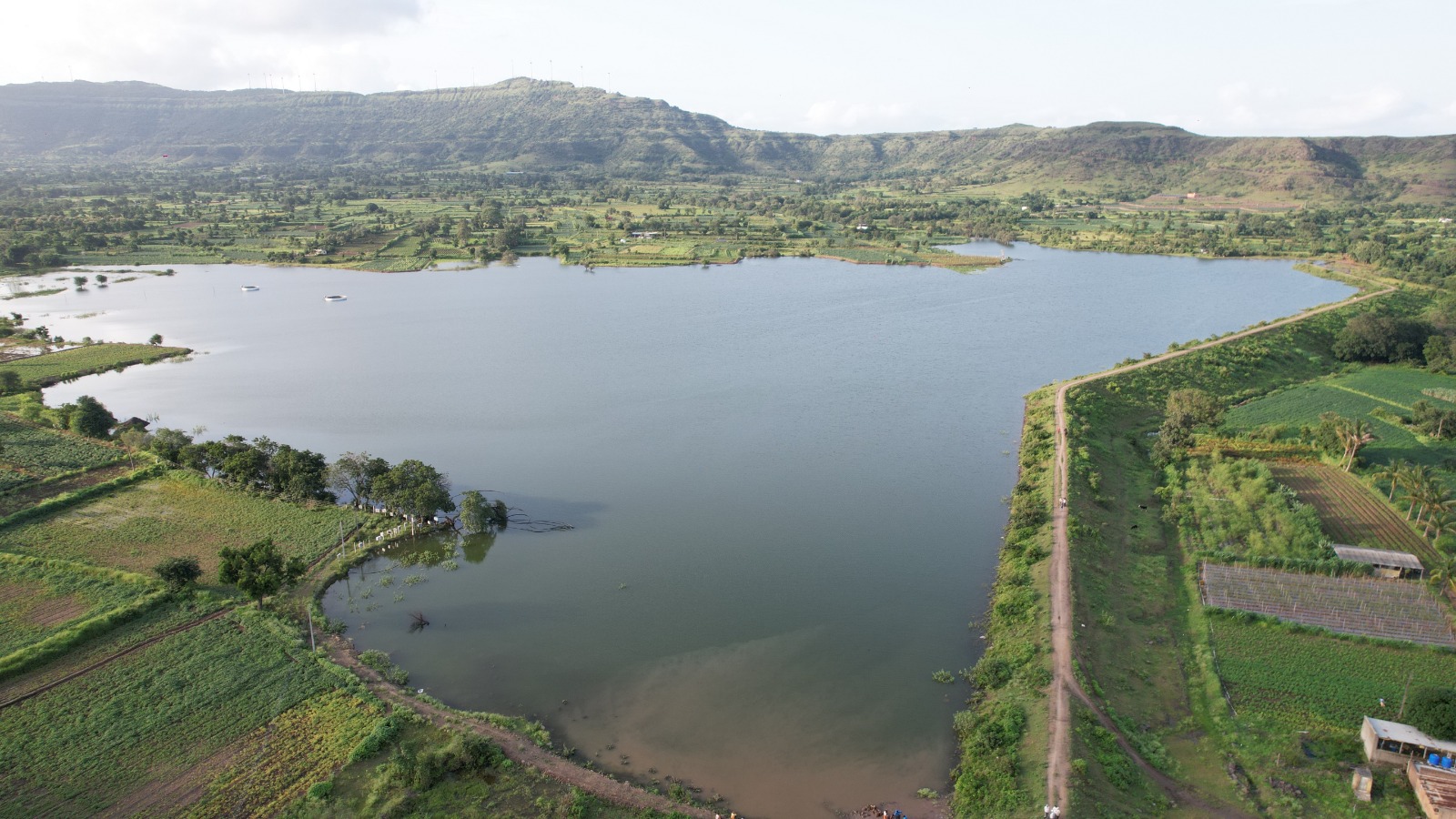
A. Over the past decade, we have evolved our CSR approach from providing essential enablers through Common Minimum Programmes, to deepening and scaling high impact programmes that advance the Sustainable Development Goals, National Priorities and address Multidimensional Poverty. Tata Motors aims to be a catalyst for transformative change by integrating community needs with high-impact programmes that benefit both, local and national interests.
In doing so our focus is to reach the most vulnerable communities at the intersection of gender, caste and abilities through an inclusive affirmative action programme. Adopting a human lifecycle approach, Tata Motors is building self-sustaining communities and strengthening governance by implementing programmes covering Health, Education, Employability, Environment Conservation and Awareness and Rural Development through Integrated Village Development Programs (IVDP) and Water Security.
The process typically begins with baseline assessments and household surveys that help identify specific gaps within communities. These are complemented by Participatory Rural Appraisals (PRAs), Focus Group Discussions (FGDs), and consultations with local institutions such as Gram Panchayats. This helps ensure that programmes respond not only to immediate needs but also to longer-term aspirations of the community we serve.
Q. What motivated the expansion of your water body restoration initiative across 25 districts in Maharashtra, and how do you ensure it addresses the real needs of local communities?
A. Our journey in water bodies restoration began with a response to the pressing needs of Dongarpada, a tribal village in Jawhar block of Palghar district in Maharashtra. In 2019 we constructed a community pond in this hamlet to mitigate the water scarcity and hardships faced by women. This one pond was the beginning of a deeper transformation for Dongarpada. It stopped drudgery and women could spend time for the welfare of their children and on productive activities. The pond improved agriculture productivity and the overall quality of life in the village.
Encouraged by this success, Tata Motors joined the national mission of developing 75 Amrit Sarovars in every district. In 2023-24, we rejuvenated and restored 106 water bodies in Palghar, Pune and Satara districts in partnership with MGNREGA Department, Government of Maharashtra and NAAM Foundation. This led to the foundation of a larger, scalable and community-driven model of water conservation in Maharashtra.
Since 2024, these efforts have evolved into a state-wide water conservation programme through close alignment with Gal Mukt Dharan Gal Yukt Shivar Yojana, the Government of Maharashtra’s flagship mission to desilt and rejuvenate water bodies. The expansion of the programme across 25 districts builds on the positive outcomes from the earlier interventions where the restored water bodies have significantly improved availability of water and increased agricultural productivity in water-stressed regions.
In FY 25-26, Tata Motors aims to rejuvenate 1,500 water bodies in drought-prone and water-stressed regions across 25 districts.
Q. Can you share examples of how restored water bodies have improved livelihoods, supported women and farmers, or reduced seasonal migration in earlier projects?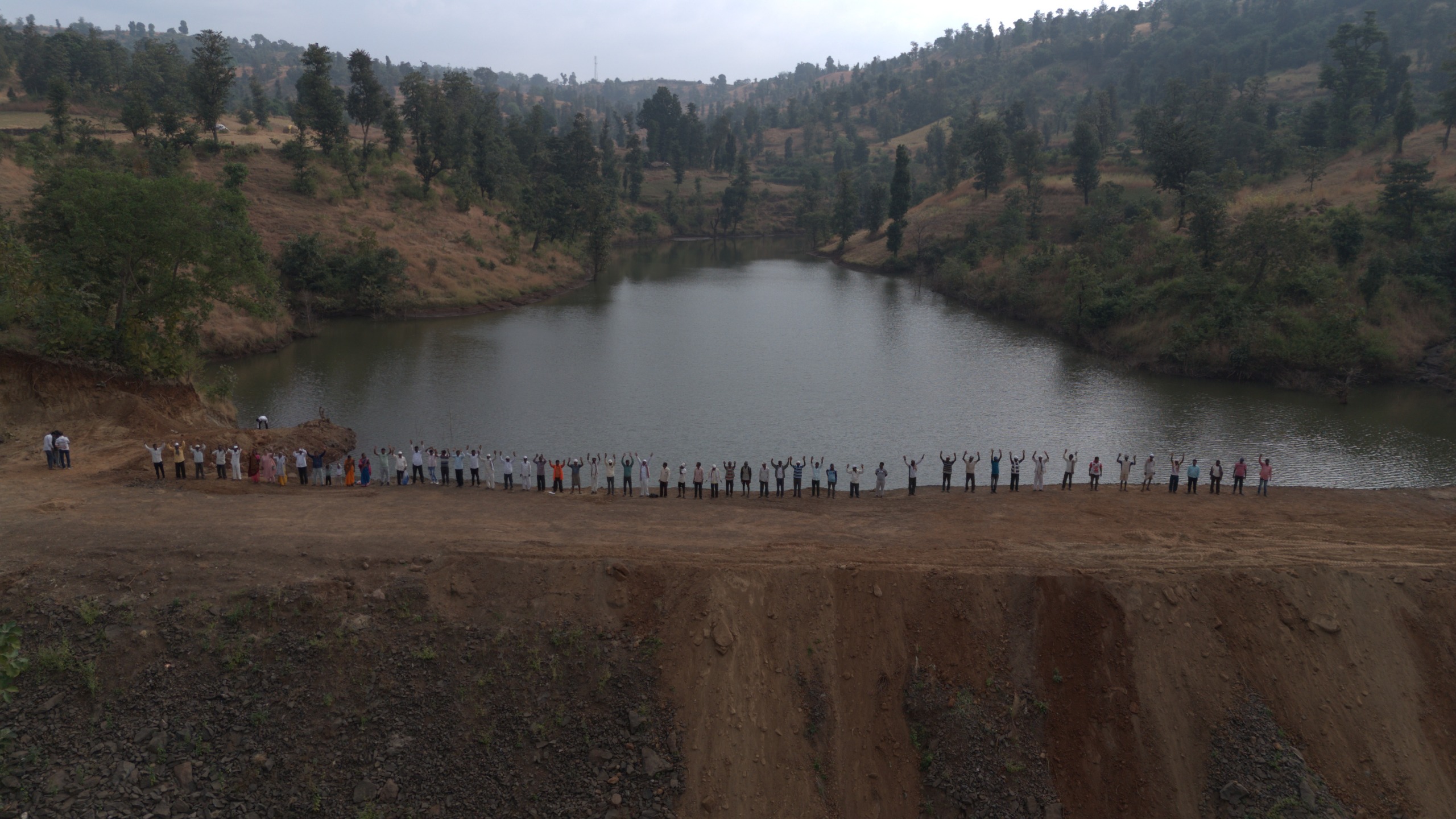
A. The rejuvenation of water bodies has not only restored access to water in the drought-prone regions, but it has rejuvenated hope amongst the vulnerable communities. The restoration of water bodies has improved availability of water and groundwater levels. It has revived the community wells and ponds, thus reducing the village’s dependency on tankers. Importantly, it has stopped drudgery of the village women who walked for miles to fetch water. Now, the women are spending the productive time on their farms, childcare and education.
With increased water availability, improved soil health, the farmers are shifting from single crop to double or even triple crop patterns. The farmers, mostly hailing from SC/ST or tribal communities, are moving to high value crops and diversifying into dairy business. Significantly, the restoration of water bodies is reducing seasonal migration and encouraging community participation in farming and village development.
For example, in Khodjaiwadi, in Karad taluka of Satara district, the rejuvenation of village water bodies has brought approximately 45 acres of previously barren and rocky land under cultivation. With water availability and improved soil health, farmers have shifted to high value crops like dragon fruit and guava. Livestock rearing, which had collapsed earlier due to water shortage, has been revived with Khodjaiwadi reporting a monthly dairy income of approximately Rs 12 lakh. The increased water percolation and groundwater recharge has not only improved the water availability for Khodjaiwadi, but also in the 10-13 surrounding villages.
Q. How does Tata Motors work with governments, gram panchayats, and local communities to ensure long-term ownership and sustainability of these projects?
A. This unique community driven water conservation model has brought together the combined knowledge, expertise and on-ground execution capabilities of government bodies, non-profits and local communities to build a scalable and replicable water conservation programme in India.
The programme is implemented in collaboration with the Government of Maharashtra and the NAAM Foundation, with local Gram Panchayats and community members actively engaged from the planning stage. With meticulous planning and clearly defined roles and bench marking of the best practices, the programme has been seamlessly executed across 25 districts. The community helps in identifying water bodies, supports implementation and benefits from practices such as silt reuse, which improves soil fertility.
We have established robust review mechanisms and ensured digital and technological integration for monitoring and payments, which brings transparency and credibility. The community participation also ensures that the restored water bodies are maintained and continue to deliver value well beyond the project period.
Q. What measures does Tata Motors use to track the success and long-term impact of water restoration and other initiatives?
A. Our CSR projects are curated basis the need assessment and are monitored and amended based on the impact analysis to ensure strong governance and transparency in evaluation.
We follow a structured monitoring framework that combines digital tracking, periodic reviews, and on-ground assessments to evaluate both progress and long-term outcomes. For the water restoration programme, this includes tracking key indicators such as water storage capacity created, improvements in groundwater levels, enhanced access and availability of water, and increases in agricultural productivity, among others.




.png)