
Nestlé India’s Sanand Factory Marks Five Years of Sustainable Manufacturing
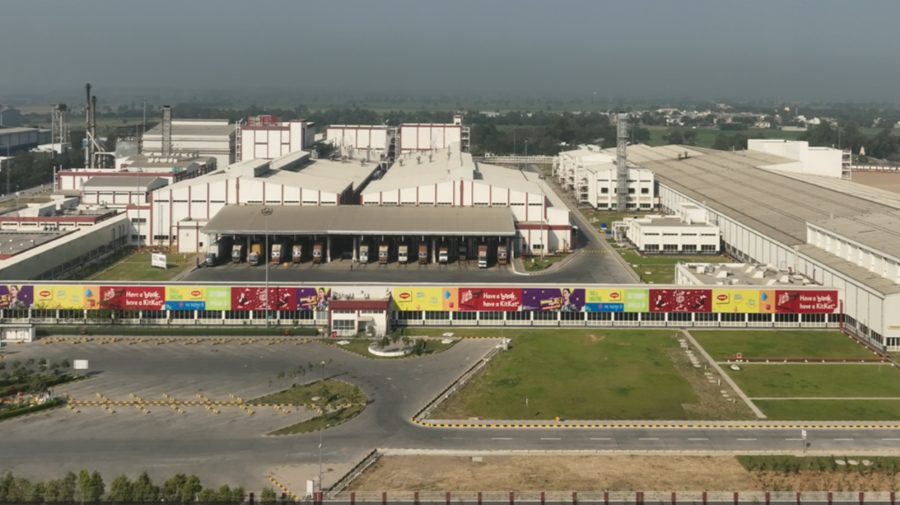
Gujarat, October 21, 2026: Nestlé India’s Sanand factory has completed five years of operations, highlighting the company’s efforts to expand manufacturing capacity while incorporating renewable energy, water conservation and local sourcing into its operations. Commissioned in 2021, the facility has become a key manufacturing hub for brands including MAGGI Noodles, MAGGI Masala-ae-Magic, KITKAT and MUNCH.
Located in Sanand GIDC, Gujarat, the factory spans more than 82 acres and supports the company’s manufacturing network in India. Over the past five years, it has also contributed to local employment, supplier development and economic activity in the region.
Commenting on the milestone, Mr. Manish Tiwary, Chairman and Managing Director, Nestlé India, said, “The Sanand factory reflects Nestlé India’s unwavering commitment to India’s growth story and our belief in investing for the long term. Over the last five years, the factory has evolved into a strategic manufacturing hub that plays a critical role in serving consumers not just across the country, but across the South-Asia Region with some of our most loved brands. Beyond manufacturing excellence, the facility represents our commitment to creating shared value through local employment, inclusive growth, responsible sourcing, and sustainable operations. We are grateful to the Government of Gujarat, our employees, partners, and the local community for their continued support in making this journey successful.”
Sustainability initiatives at the Sanand facility include the installation of biomass boilers to increase the use of renewable fuels and reduce its environmental footprint. The factory has also adopted natural gas in ovens and implemented energy-efficiency measures. According to the company, renewable sources currently account for 28% of the facility’s energy consumption.
Water conservation is another focus area. The factory has constructed 82 percolation wells to support groundwater recharge and improve water conservation. These measures form part of its approach to integrating resource efficiency into manufacturing operations.
The facility employs approximately 700 people, with women accounting for around 25% of its workforce. The company also reported that the factory provides employment opportunities for a young workforce, with an average age well below 30 years, and employs around 20 people with special abilities across its noodles production line.
Local sourcing is another component of the factory’s operations. Nestlé India sources agricultural raw materials, including wheat flour and oils, locally and works with approximately 38 local suppliers for raw and packaging materials. These arrangements support regional supply chains while connecting manufacturing operations with local businesses.
As the Sanand factory enters its next phase, Nestlé India plans to continue using the facility to support manufacturing growth, strengthen resource efficiency and advance sustainable operations. Its focus areas include renewable energy, water stewardship, responsible sourcing and inclusive employment.