
Nasscom Foundation, ISRA and Cisco Hold Digital Inclusion Consultation in UP
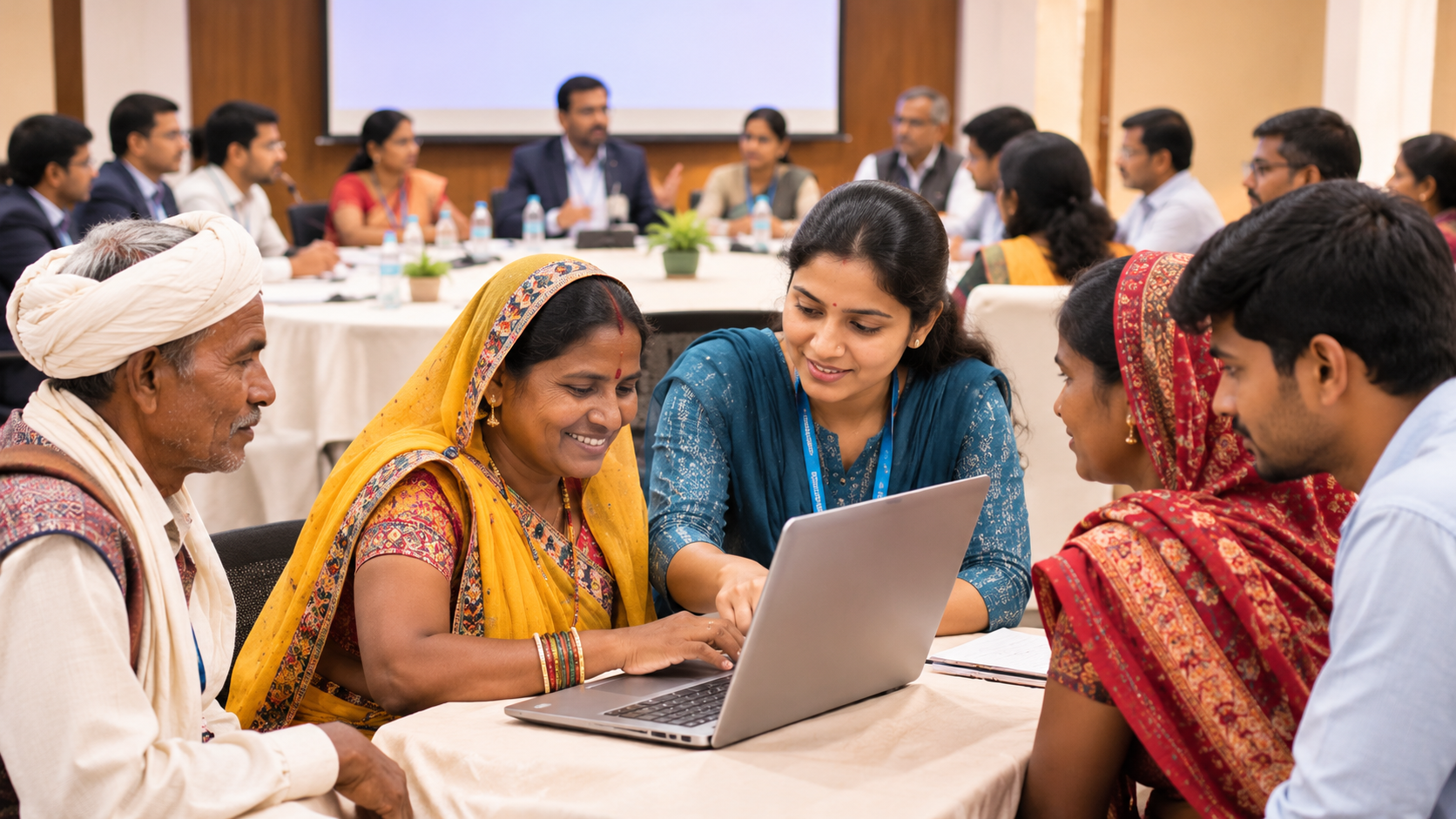
Lucknow, October 30, 2026: Nasscom Foundation and ISRA, with support from Cisco’s India Cash Grant Program, convened a state-level consultation in Lucknow to discuss ways to strengthen digital inclusion and improve access to e-governance and social security services for tribal and marginalised communities across Uttar Pradesh.
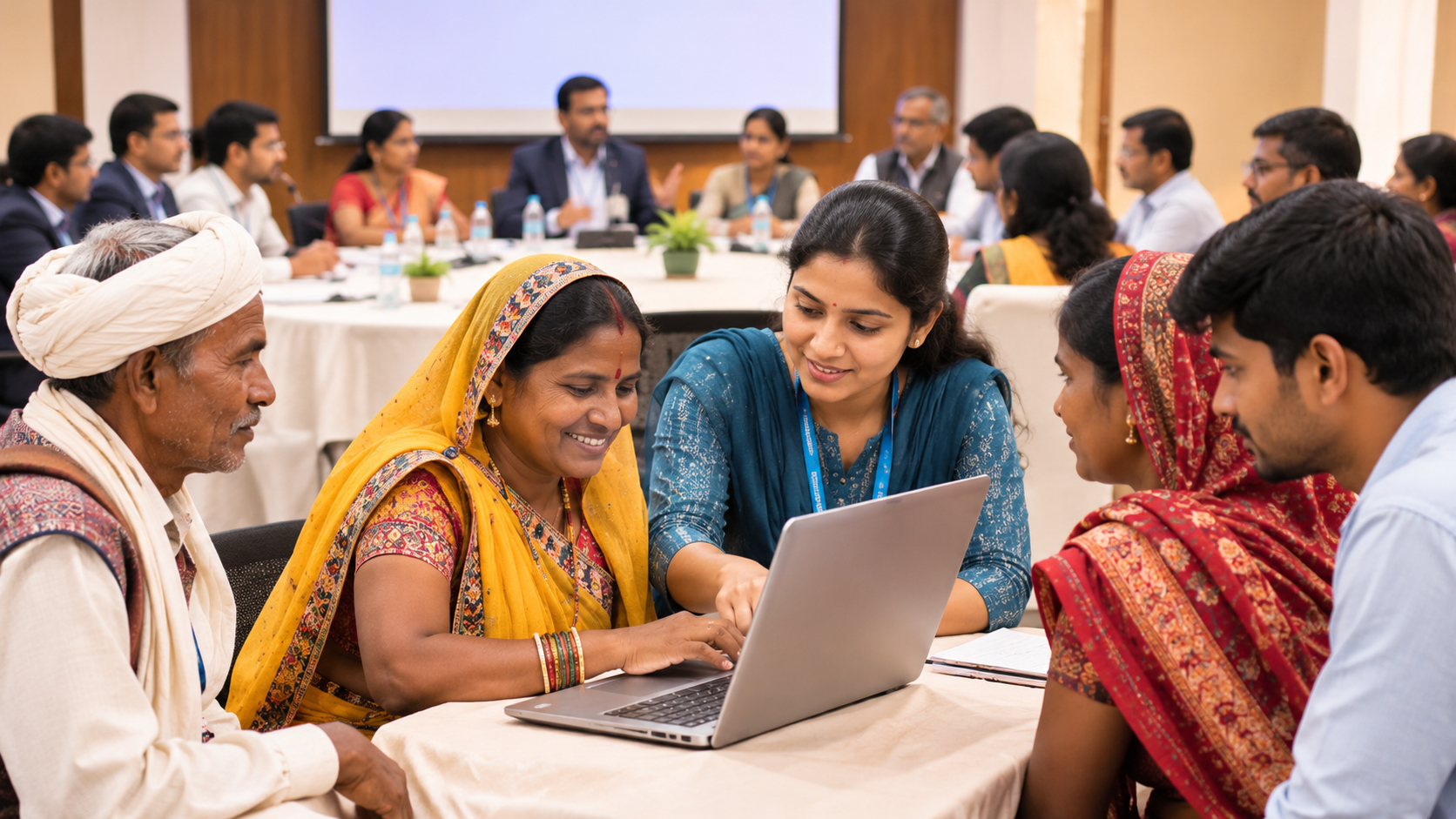
Titled “Access to Empowerment: Strengthening Digital Inclusion and E-Governance for Tribal and Marginalized Communities”, the consultation was organised under the Access to Empowerment – E-Governance initiative. It brought together stakeholders from government, civil society, academia and development organisations to examine barriers preventing underserved communities from accessing digital public services and welfare schemes.
Discussions focused on challenges faced by Particularly Vulnerable Tribal Groups (PVTGs), rural populations, women, youth and other marginalised communities. Key issues included limited digital literacy, lack of awareness about government services, documentation requirements, connectivity gaps and difficulties in accessing services at the last mile.
Harish Krishnan, Managing Director and Chief Policy Officer, Cisco South and Southeast Asia, said, “Cisco is committed to amplifying the impact of government-led digital empowerment initiatives. Our continued partnership with NASSCOM Foundation under this e-Governance program is a reflection of that commitment, extending essential services to citizens across India's aspirational blocks to truly power inclusive growth.”
The consultation highlighted the role of digital technologies in improving access to government services, entitlements and social protection schemes. Participants stressed the need to strengthen digital capabilities at the community level, expand awareness programmes and improve coordination among government departments, civil society organisations and knowledge institutions.
Jyoti Sharma, CEO, Nasscom Foundation, said, “Distance, limited connectivity, language, documentation, and a lack of familiarity with digital systems can make it difficult for Particularly Vulnerable Tribal Groups to access services and entitlements that are meant for them. This is where Nasscom Foundation's work on digital literacy and e-governance access comes in. With the support of Cisco through its CSR initiative, and in partnership with ISRA, we are working in the aspirational blocks to strengthen digital awareness, build digital literacy, and help PVTG communities access government services and schemes. And roundtables like this one in Lucknow is how we make sure that the programme responds to the realities of the people it is meant to serve.”
Virjesh Upadhyay, Chairperson, DTNBWED, Ministry of Labour and Employment, said, “We need to work towards a design that makes PVTGs the fulcrum of all our schemes and programmes. We also need to analyse the effect of schemes. Schemes have definitely been made, but what is their effect at the ground level? Some aspects of the design of these schemes need to improve. The government has typical designs, but we need to see whether these designs have reached the ground. If schemes do not reach the beneficiaries, then there is no use for such schemes.”
A key recommendation emerging from the consultation was to strengthen coordination among departments at the block and village levels. Participants called for closer collaboration between the Panchayat and Labour Departments, Gram Pradhans and grassroots-level workers to improve the delivery of government services and access to welfare schemes.
The discussions also highlighted the importance of incorporating awareness about labour rights, farmers’ welfare initiatives and social security schemes into existing community outreach programmes. Participants emphasised that digital inclusion efforts should go beyond basic documentation and card generation, helping beneficiaries use their existing documents to access eligible entitlements. This would also involve supporting people in correcting records and updating information where required.
Expanding digital literacy among tribal communities and residents of aspirational blocks was another area of focus. Participants underlined the need for sustained partnerships between development organisations, government agencies and corporate social responsibility (CSR) partners to address systemic barriers to digital access.
The consultation is expected to result in recommendations for strengthening digital governance and social inclusion across Uttar Pradesh. The insights and recommendations will be compiled into a proceedings report and shared with relevant stakeholders to inform future action and support digital empowerment initiatives in the state.