
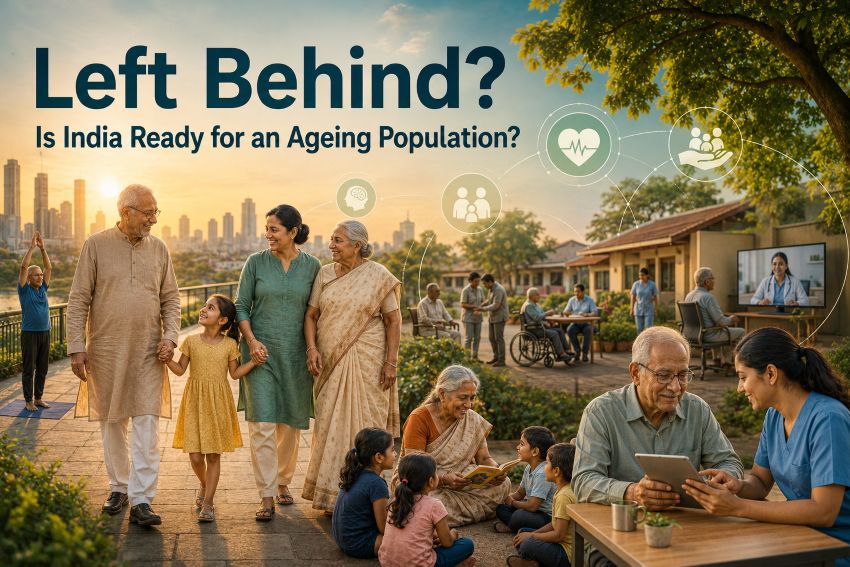
Left Behind? Is India Prepared for the Challenges of an Ageing Population?
India’s development narrative has long been anchored in the promise of its youth. From education and skilling programmes to employment generation and entrepreneurship, public policy, philanthropy and corporate social responsibility have largely revolved around preparing young Indians to drive the country’s economic future. Yet, even as India continues to celebrate its demographic dividend, another demographic reality is quietly reshaping the nation.
India is ageing.
According to the United Nations Population Fund’s India Ageing Report 2023, the country’s population aged 60 years and above is projected to nearly double from around 149 million in 2022 to approximately 347 million by 2050. By 2046, older persons are expected to outnumber children below the age of 15 for the first time in India’s history. The elderly share of the population is projected to rise from around 10.5 per cent to more than 20 per cent over the same period.
Even more striking is the growth of the “oldest-old” population. The number of Indians aged 80 years and above is projected to increase by nearly 279 per cent between 2022 and 2050, making it the fastest-growing age cohort in the country — a group significantly more likely to experience disability, frailty, dementia and long-term care needs.
For decades, ageing remained largely absent from mainstream development conversations. The assumption was simple: families would care for their elders. But demographic transitions, migration, urbanisation, changing family structures and rising life expectancy are exposing the limitations of that assumption. The challenges associated with ageing today extend far beyond healthcare. They encompass financial security, caregiving, housing, transportation, digital inclusion, social participation and mental well-being.
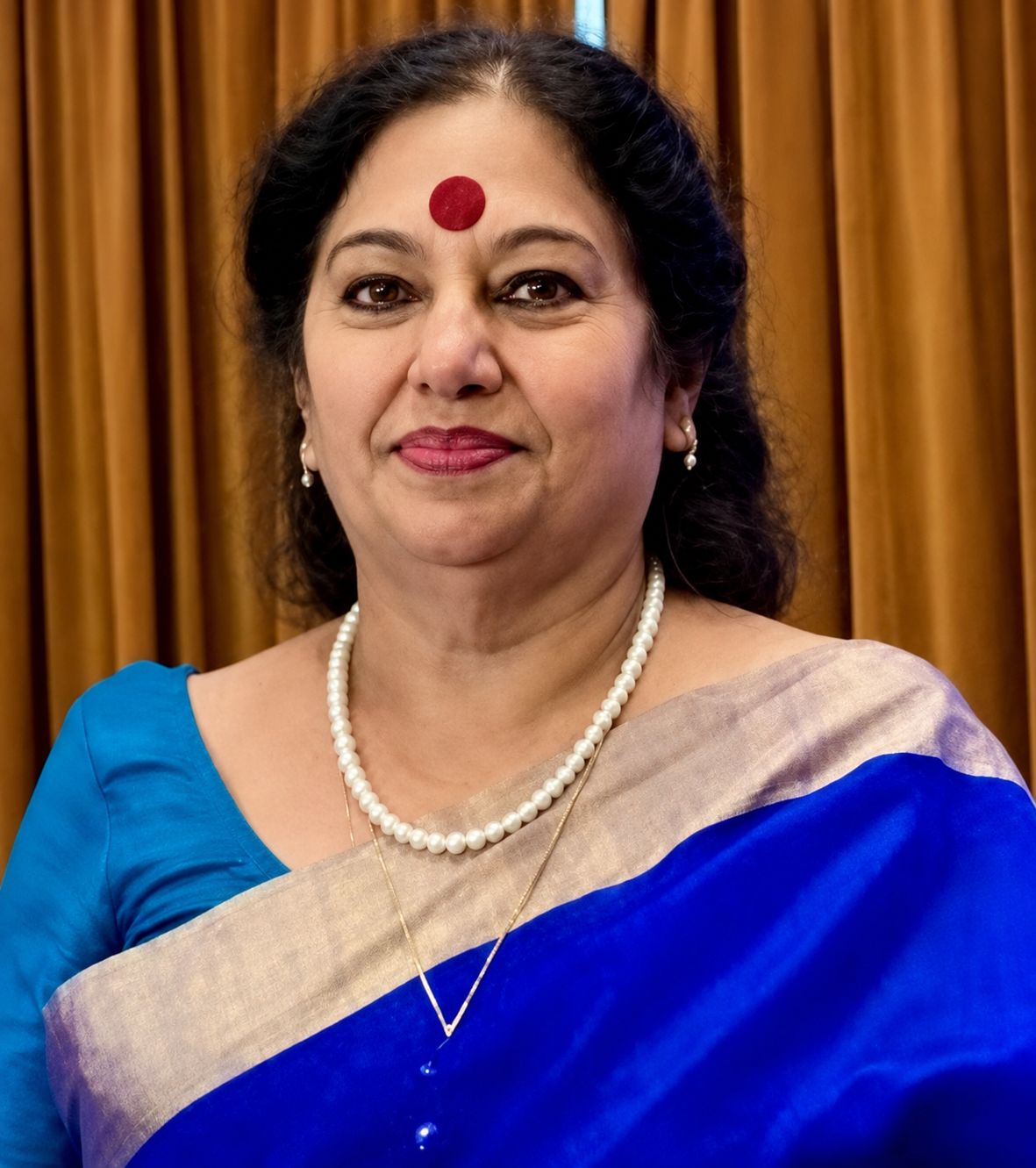 For Ms Sujaya Krishnan, former Joint Secretary, Ministry of Health and Family Welfare, and currently President of Venu Charitable Society, Executive Member of Guild of Service, and Advisor to both the IHW Council and Dementia India Alliance, population ageing is no longer a future challenge waiting on the horizon.
“Population ageing is already happening,” she says. “The real question is whether our systems are evolving fast enough to respond.”
Krishnan believes India has made important progress through improvements in life expectancy, declining mortality rates and expanding healthcare access. However, she cautions that the country remains only partially prepared for the scale of demographic change that lies ahead. More importantly, she argues, ageing must not be viewed merely as a healthcare issue.
“It affects employment, social security, housing, transportation, digital inclusion and community participation. The challenge is not simply supporting a larger elderly population but creating conditions that enable older adults to remain healthy, independent, socially connected and productive for as long as possible.”
Increasingly, policymakers, corporate foundations and civil society organisations are recognising that ageing is not a welfare issue at the margins of development. It is becoming one of India’s defining development challenges.
Beyond living longer: The challenge of healthy ageing
India’s ageing story is, in many ways, a consequence of development success. Improvements in healthcare, sanitation, nutrition and disease control have enabled millions to live longer lives than previous generations. Yet longevity alone does not guarantee well-being. The challenge is not merely adding years to life, but ensuring that those additional years are lived with health, dignity, security and purpose.
Krishnan argues that ageing outcomes are shaped by far more than medical treatment. Factors such as education, nutrition, employment opportunities, income security, social support systems and lifelong health behaviours all influence how people age.
Evidence from the Longitudinal Ageing Study in India (LASI) reinforces this perspective. One of the largest studies on ageing globally, LASI has documented the growing burden of non-communicable diseases among older Indians. Hypertension, diabetes, cardiovascular disease, arthritis, vision impairment and functional limitations affect millions of senior citizens. The study has also highlighted concerns around depression, disability and unequal access to healthcare across socioeconomic groups and geographic regions.
For Krishnan, these findings underline the need to shift the conversation from a disease-centred understanding of ageing towards healthy ageing — a concept that emphasises prevention, functional ability and quality of life rather than simply treating illness after it emerges.
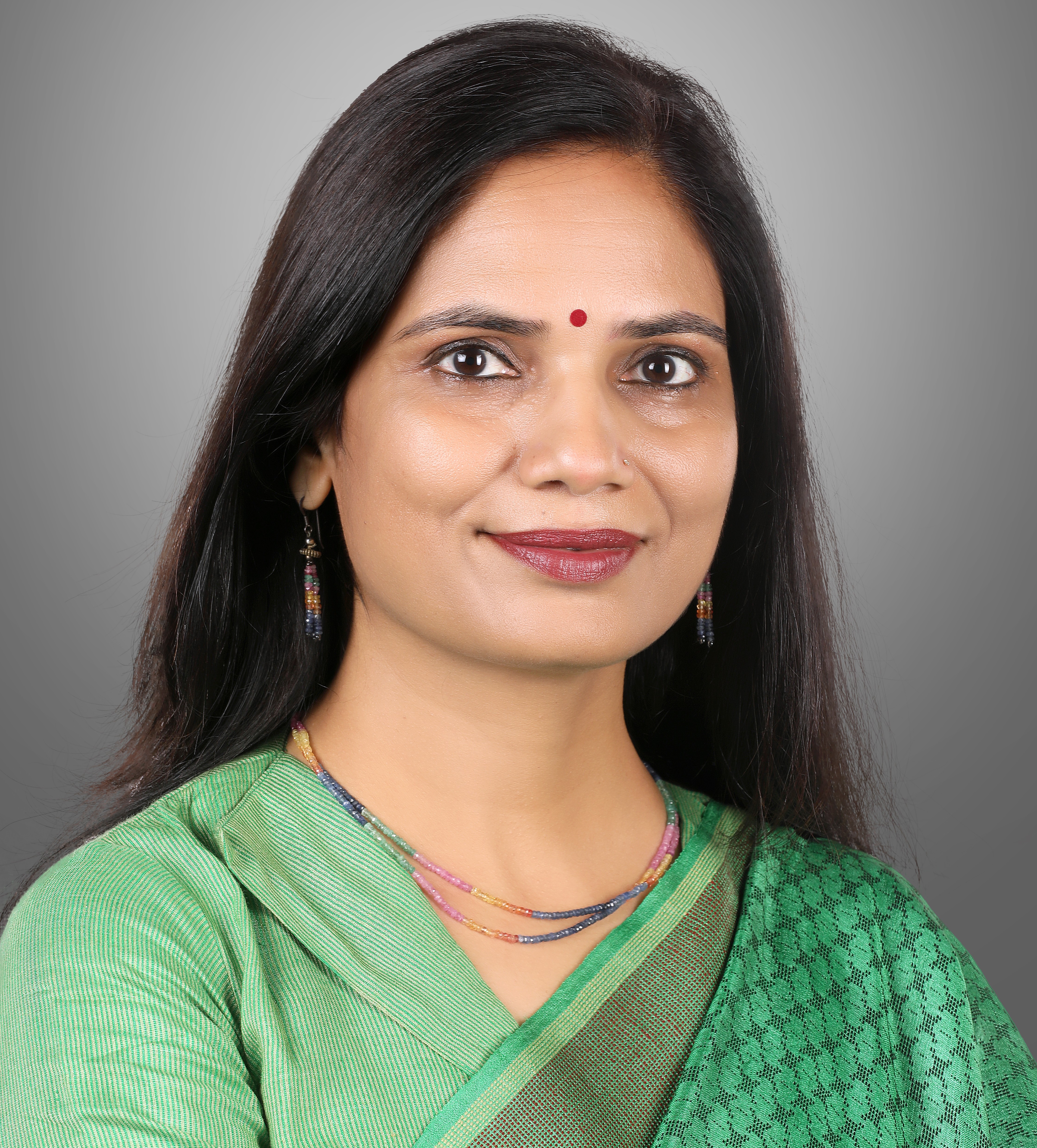 This perspective resonates strongly with Dr Nidhi Pundhir, Vice President, Global CSR and Head, HCLFoundation.
“We are ageing since we are born,” she observes.
The statement may sound simple, but it reflects a fundamental shift in thinking. Rather than viewing ageing as a stage that begins at sixty, HCLFoundation’s Dr Pundhir advocates a life-course approach in which health and well-being are shaped continuously throughout life.
At HCLFoundation, this philosophy informs an Inclusive Integrated Community Development Approach that seeks to address needs across every stage of life. Through initiatives such as Uday and other health-focused programmes, the foundation combines preventive screenings, referrals, community engagement and access to services to strengthen long-term well-being. HCLFoundation’s Dr Pundhir believes India’s public health discourse has traditionally focused on maternal and child health, and rightly so. However, increasing longevity and the rising burden of chronic diseases now require a broader continuum of care that includes healthy ageing as a development priority.
Ageing in a deeply unequal society
One of the most important points raised by Krishnan is that older adults are not a homogeneous group. Ageing is experienced differently depending on gender, geography, income and social circumstances.
Women, for instance, represent a growing share of India’s elderly population because they generally live longer than men. Yet they often enter old age with fewer financial resources and weaker social protection. Years spent in unpaid caregiving roles frequently translate into lower lifetime earnings, limited asset ownership and reduced access to pensions. Widowhood further compounds economic vulnerability.
The UNFPA report describes this phenomenon as the “feminisation of ageing” and identifies older women as one of the most vulnerable groups within India’s ageing population. Krishnan believes this reality requires much greater policy attention, particularly for women living alone, widows and those residing in rural areas where access to healthcare, social services and financial support remains uneven.
Rural India itself presents another layer of complexity. More than 70 per cent of India’s elderly population lives in rural areas. Yet these regions continue to face significant shortages of geriatric specialists, rehabilitation services and age-friendly healthcare infrastructure. Transportation barriers often make even basic healthcare inaccessible for older adults with mobility limitations.
Krishnan notes that these gaps become especially concerning as disability and care dependency increase with age — pressures that become particularly pronounced among the oldest-old, many of whom require assistance with daily living activities while simultaneously facing limited access to specialised services.
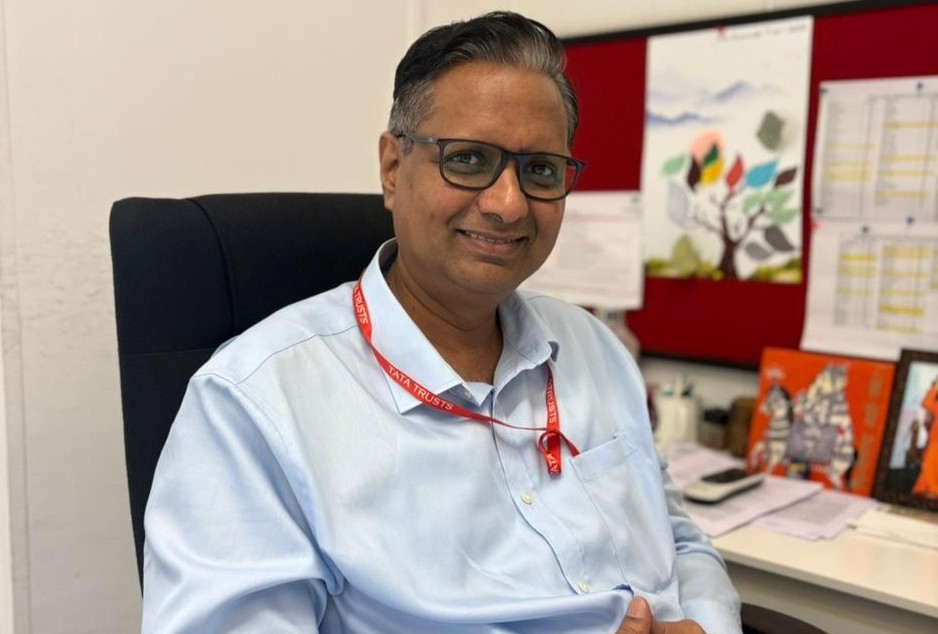 At Tata Trusts, similar realities have emerged through years of field engagement. According to Mr. HSD Srinivas, Head – Health Initiatives, Tata Trusts, healthcare challenges among older adults are closely intertwined with financial insecurity, inadequate caregiving and social isolation. Many seniors, particularly in rural areas, struggle not only with chronic illnesses but also with the costs of managing them. A health emergency can quickly become a financial crisis, especially for those lacking reliable pensions or family support.
Yet Tata Trusts’ Srinivas believes ageing cannot be understood solely through a healthcare lens. “What surfaces in the field is often quiet but profound,” he notes. Sometimes the challenge is not the absence of a hospital or a government scheme. It is the absence of someone to accompany an elderly person to a health facility, remind them to take medication or simply check whether they have eaten. Such seemingly small gaps can have significant consequences for both physical and mental well-being.
NPHCE: Building the foundations of geriatric care
The notion that India has ignored ageing altogether would be inaccurate. Over the past decade and a half, important policy foundations have been established. Among the most significant, according to Krishnan, is the National Programme for Health Care of the Elderly (NPHCE).
Before the programme’s introduction, India lacked a structured framework for geriatric healthcare. Services for older adults were fragmented and largely dependent on general healthcare systems not designed to address age-specific needs. NPHCE sought to change that.
The programme facilitated the establishment of Regional Geriatric Centres, dedicated geriatric wards in district hospitals, specialised outpatient services, postgraduate programmes in Geriatric Medicine and mechanisms for training healthcare professionals in elder care. It also established two National Centres for Ageing — one at All India Institute of Medical Sciences, New Delhi and another at Madras Medical College, Chennai — conceived as centres of excellence for geriatric healthcare, training, research and capacity building.
For Krishnan, the significance of NPHCE lies not only in the services it created but also in what it symbolised: a shift in recognising ageing as a public health priority requiring specialised responses rather than simply an extension of conventional healthcare.
However, she believes the next phase of reform must focus on strengthening implementation and expanding reach. Shortages of trained professionals persist. Rehabilitation services remain limited. Dementia care is underdeveloped. Home-based care systems remain inadequate. Mental health support for older adults continues to receive insufficient attention.
Krishnan points out that India already possesses several elements of an elder-care policy framework, including the National Policy on Older Persons and the Maintenance and Welfare of Parents and Senior Citizens Act, 2007, alongside programmes led by the Ministry of Social Justice and Empowerment. The challenge, she believes, lies less in policy absence and more in convergence, coordination and implementation. What is needed now, she argues, is a far more integrated response — one that connects healthcare systems, social welfare programmes, community institutions, local governments, technology providers and civil society organisations. Ageing, she insists, requires a genuine “360-degree approach.”
When family support begins to fray
For generations, India’s primary elder-care system was the family. Today, that system is under increasing strain. Migration, urbanisation and changing aspirations are reshaping family structures. Younger generations are moving to cities and overseas for education and employment. Joint families are giving way to smaller nuclear households. Dual-income families often struggle to balance professional responsibilities with caregiving needs.
The consequences are becoming visible across both urban and rural India. Tata Trusts’ Srinivas observes that traditional multi-generational support systems are gradually weakening. While migration may improve household incomes, it often reduces the day-to-day support available to older adults, manifesting as isolation, delayed healthcare, emotional distress and declining social engagement.
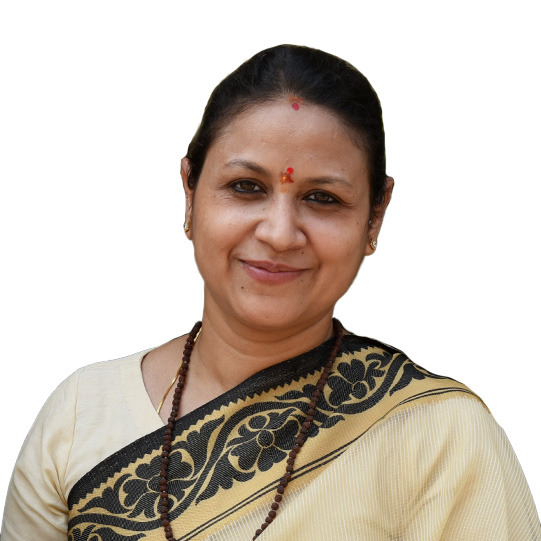 At the grassroots level, organisations are witnessing these realities every day. Ms. Gargi Lakhanpal, Director, VridhCare Foundation, says migration and changing family dynamics are increasingly leaving older adults to fend for themselves.
“The collateral damage is that ageing parents are left behind, generally forced to fend for themselves.”
The trend is no longer limited to cities. Rural communities are experiencing similar patterns as younger family members move away in search of work. Many elderly individuals face not only physical challenges but also loneliness, grief and a profound loss of purpose.
“Our work has shown that the crisis they face is of loneliness, neglect and the total absence of dignity,” VridhCare’s Lakhanpal says.
For too long, she argues, society has assumed that food, shelter and clothing are sufficient measures of care. In reality, emotional security, companionship and a sense of belonging often matter just as much. A person may receive three meals a day and still feel abandoned.
Himanshu Rath, Founder Chairman, Agewell Foundation, echoes this observation, noting that widowed women in particular often face a compounded burden of loneliness, neglect and, in some cases, abuse — even as mental health concerns among older adults continue to be routinely overlooked.
The invisible epidemic: Loneliness, mental health and dementia
If healthcare represents the most visible challenge associated with ageing, mental health may be its most neglected. Public discussions on ageing often focus on pensions, healthcare access and financial security. Far less attention is paid to loneliness, depression, anxiety, cognitive decline and dementia, despite mounting evidence that these issues profoundly affect quality of life among older adults.
At Wishes & Blessings, which supports elderly individuals through its Mann Ka Tilak initiative, emotional abandonment often emerges as a deeper concern than material deprivation.
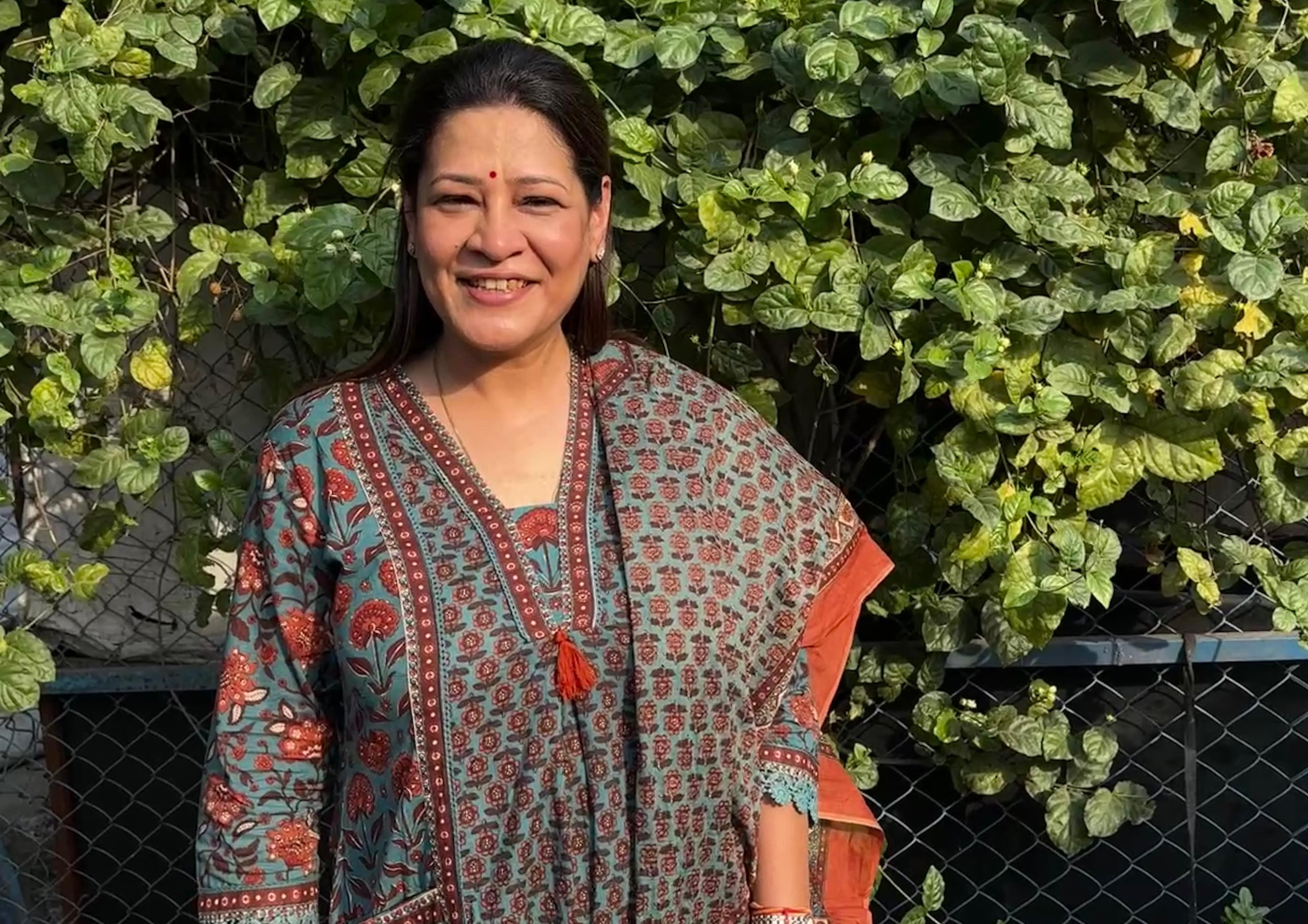 According to Dr Geetanjali Chopra, Founder and President, Wishes & Blessings, many older adults struggle to comprehend why they have been left alone after spending decades caring for their families.
“They struggle to understand why life has taken this course for them and why they have been abandoned by the very families they spent years caring for.”
Abandonment, Wishes & Blessings’ Dr Chopra adds, also leaves behind a significant trust deficit. When residents first arrive at Mann Ka Tilak, they are often quiet, distant and uncertain. Even when assured they are safe, it takes time for them to believe it — many live with a constant fear that they may once again be asked to leave.
“What makes elder abandonment particularly heartbreaking is the impact it has on their sense of self. Their confidence, self-worth and belief in themselves are deeply shaken.”
That is why Wishes & Blessings has consciously chosen to run smaller homes with limited residents — prioritising personalised attention over scale — and to refer to those it serves as residents rather than inmates. Old-age homes, Wishes & Blessings’ Dr Chopra argues, should never feel like a place where people are confined or merely accommodated; they should feel like a home where residents are free to be themselves and live with dignity.
Gargi Lakhanpal’s observations from the field point to a similar reality. While public conversations often focus on physical needs, many elderly individuals describe feeling invisible, unwanted and disconnected from society.
Closely linked to this challenge is dementia, one of the fastest-growing public health concerns associated with longevity. India is estimated to have more than five million people living with dementia, and the number is expected to rise sharply over the coming decades. Yet awareness remains limited, diagnosis is often delayed and specialised support services remain scarce.
Krishnan identifies dementia care as one of the most underdeveloped areas within India’s ageing ecosystem. As life expectancy increases and the population of adults aged 80 years and above grows rapidly, dementia, cognitive impairment and long-term care requirements are likely to place unprecedented pressure on families, healthcare providers and social support systems. Without investments in awareness, diagnosis, rehabilitation and caregiver support, the country risks confronting one of the defining challenges of ageing without adequate preparedness.
The caregiving crisis India can no longer ignore
If ageing is transforming healthcare systems, it is also creating a caregiving crisis that remains largely invisible in policy discussions. Historically, caregiving responsibilities were absorbed within families. Today, however, shrinking family sizes, migration and increasing workforce participation are weakening those traditional arrangements. The result is a widening gap between care needs and caregiving capacity.
Krishnan notes that caregiving often imposes significant physical, emotional and financial burdens on families. Yet structured support for caregivers remains limited, and the burden falls disproportionately on women, who continue to shoulder most unpaid caregiving responsibilities.
Recognising this, HCLFoundation has invested in creating systems that strengthen care ecosystems rather than relying solely on family support. Through its Vriddha Mitra initiative, implemented with partner organisation SCHOOL (Society for Organising Urban and Rural Poor) in Pune and Lucknow, the foundation supports the training of NSDC-certified geriatric caregivers, helping build a skilled workforce for an ageing population. It has also partnered with Doctors For You to run a six-month structured Geriatric Care Course, delivered through GIIMS, that combines clinical exposure with certification — and with The Banyan in Chennai to support integrated rehabilitation for homeless persons with psychosocial disabilities, including elderly individuals.
Evidence from HCLFoundation’s elder-care interventions demonstrates the potential of integrated, community-based approaches. An impact assessment of HCLFoundation's institutional care model implemented through SHEOWS found that 95 per cent of residents reported feeling safer, less lonely and physically stronger, while 99 per cent received regular medical care and emergency support, all while maintaining near-zero out-of-pocket expenditure for residents. The programme also achieved a Social Return on Investment (SROI) of 2.05, indicating strong social outcomes alongside cost-effectiveness. For HCLFoundation’s Dr Pundhir, such findings reinforce the case for investing in scalable models that combine healthcare, caregiving, social support and dignity-centred care. She believes caregiving must be recognised both as a social necessity and an economic opportunity.
India will require thousands of trained caregivers, community health workers and elder-care professionals in the years ahead. Developing this workforce can simultaneously address care deficits and create dignified livelihood opportunities. This is a priority Tata Trusts’ Srinivas also emphasises. India, he argues, must begin recognising caregiving not merely as unpaid family labour but as a skilled and respected profession.
Agewell Foundation’s Rath adds that caregiver training must extend into homes themselves. His foundation runs caregiver training programmes that equip family members and community health workers with skills for home-based elder care — from nutrition management and medication adherence to basic rehabilitation — a model designed to strengthen the front line of care where most Indian elders continue to live.
For Tata Trusts’ Srinivas, the caregiving challenge reinforces a broader lesson. Healthcare infrastructure alone cannot solve the ageing challenge. Sustainable solutions must strengthen the networks of care that surround older adults — families, communities, local institutions and trained caregivers.
Rethinking ageing: From dependency to participation
One of the most significant shifts emerging across the ageing sector is a move away from viewing older adults solely as beneficiaries of care. Increasingly, experts are asking how seniors can continue contributing to society long after retirement.
Krishnan believes the conversation must evolve from dependency towards participation. Many older adults remain physically, intellectually and socially active for decades after conventional retirement age. Their experience, skills and knowledge represent a valuable but often underutilised social resource.
This perspective aligns closely with the work of Agewell Foundation’s Rath, who argues that older persons should be viewed as active stakeholders in development rather than passive recipients of welfare. Agewell Foundation’s initiatives focus on community engagement, healthcare access, advocacy and social inclusion, all rooted in the belief that ageing should be accompanied by dignity and participation.
In partnership with local self-help groups, Agewell has supported livelihood opportunities for elderly individuals who wish to remain economically active — from small-scale farming and handicrafts to mentoring roles in youth skill centres. Its intergenerational programmes bring children and young people together with seniors for knowledge exchange, reducing isolation on both sides while preserving community memory and skills.
Agewell Foundation’s Rath also highlights a dimension often overlooked in discussions around ageing: economic opportunity. India’s ageing population is expected to drive the growth of a substantial “silver economy” encompassing healthcare, wellness services, assistive technologies, caregiving, age-friendly housing and specialised financial products. Preparing for demographic ageing, he argues, is not only a social responsibility but also an opportunity to stimulate innovation, entrepreneurship and employment.
The concept of productive ageing is finding expression across the sector. HelpAge India, for instance, has championed the idea that older adults can continue contributing meaningfully through education, mentorship and community engagement. A recent initiative with the InSpiring Seniors Foundation explored the “Seniors as Tutors” model, highlighting how retired professionals and experienced citizens can support learning, provide guidance and strengthen intergenerational connections — challenging the assumption that ageing inevitably leads to dependency.
Community-led solutions and the importance of belonging
While national policies and healthcare systems are essential, many experts argue that the future of ageing will ultimately be shaped within communities. This is a lesson that has emerged repeatedly from the experience of Tata Trusts.
According to Tata Trusts’ Srinivas, community-based interventions often succeed because they address multiple dimensions of ageing simultaneously. Through Annapurna Tai community kitchens, supported by Tata Trusts through Manav Lok in rural Maharashtra, seniors receive not only nutritious meals twice a day but also opportunities for social interaction and mutual support; where a resident cannot pay, the community absorbs the shortfall. Similarly, Mayechi Saveli — run through partner Jan Seva across 75 community spaces including temples and gram sabha buildings — and Kalike libraries in Karnataka, where sessions unfold in government libraries and are designed to be sustained by librarians beyond the grant period, create spaces where older adults can remain socially engaged, physically active and connected to their communities.
 Agewell Foundation’s Rath’s work reinforces this community-first orientation. His foundation organises regular geriatric health camps and mobile clinics in rural areas focused on screening and managing non-communicable diseases such as diabetes, hypertension and arthritis, and distributes assistive devices and palliative care support for those with chronic conditions.
Such interventions matter beyond service delivery. Research globally has shown that social isolation is associated with poorer physical health, increased risk of depression, cognitive decline and reduced life satisfaction. Community-based models help counter these risks by preserving relationships, routines and a sense of purpose.
VridhCare’s Lakhanpal believes this understanding is particularly important in the Indian context. Drawing upon principles similar to Maslow’s hierarchy of needs, she argues that once basic physical requirements are met, emotional and psychological well-being become equally important. Older adults need respect, companionship, purpose and a sense of belonging. These are not luxuries. They are essential components of dignified ageing.
Why ageing remains a CSR blind spot
Despite the scale of demographic change underway, ageing continues to receive relatively limited attention within CSR and philanthropic portfolios. Historically, social investments have focused on children, youth, education, livelihoods and maternal health. These areas remain important. Yet experts increasingly argue that ageing deserves a far more prominent place within the development agenda.
HCLFoundation’s Dr Pundhir believes CSR can play a catalytic role in helping society prepare for demographic transition.
“Ensuring dignified ageing is not a welfare project; it is a development imperative and a fundamental expression of an inclusive society.”
Rather than treating ageing as a standalone theme, she advocates integrating an ageing lens across health, livelihoods, digital inclusion, community development and social protection programmes, arguing that virtually every CSR portfolio can, and should, carry that lens at minimal additional cost. Beyond programme implementation, HCLFoundation has also sought to strengthen the broader ageing ecosystem through policy engagement, supporting platforms such as Sahaj: Ageing in Place and the National Consultation on Human Resources for Elderly Care, organised in collaboration with NITI Aayog. HCLFoundation’s Dr Pundhir believes that addressing population ageing will require stronger collaboration among government, civil society, healthcare institutions and philanthropic organisations to develop scalable and sustainable solutions.
Tata Trusts’ Srinivas similarly sees philanthropy as a source of innovation capital capable of testing community-based models that governments can later adopt and scale. Philanthropy, he adds, is also well placed to act as a neutral convener, bringing actors from health, skilling, social care, legal and financial systems on to a common platform — and to work alongside government and civil society partners to strengthen existing systems rather than build parallel ones.
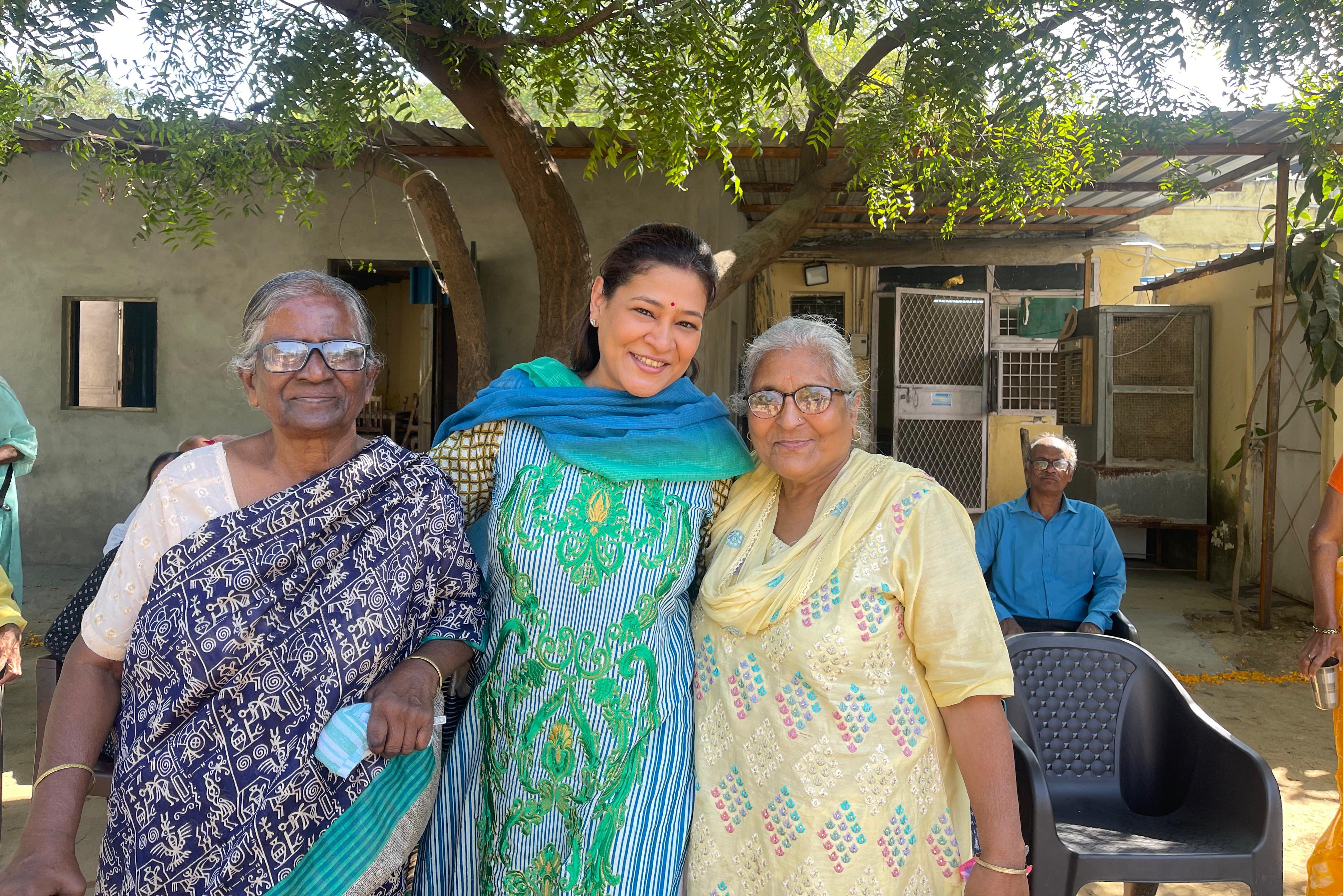 VridhCare’s Lakhanpal argues that ageing often remains overlooked simply because it lacks visibility. Wishes & Blessings’ Dr Chopra believes the issue is rooted not only in funding patterns but also in societal attitudes. Too often, she argues, older adults are treated as though their needs are less important than those of other groups — as though they were second-class citizens. She recounts having to defend, in meeting after meeting with prospective CSR partners, why elder care should be prioritised alongside education, skill development or environmental sustainability. “Senior citizens have spent decades contributing to their families, communities and society. Ensuring that they can age with safety, respect and care should not require justification,” she says. A meaningful shift in elder care, she believes, will require placing the dignity, inclusion and well-being of senior citizens at the centre of development conversations rather than at their margins.
The new face of inequality: Digital exclusion
Another challenge gaining prominence is digital exclusion. As India rapidly digitises healthcare, banking, welfare delivery and public services, digital literacy is becoming a prerequisite for participation in everyday life. Yet millions of older adults remain excluded from this transformation.
Krishnan identifies digital exclusion as one of the emerging barriers facing elderly populations. Whether accessing telemedicine consultations, online banking, pension services or government schemes, many seniors struggle with technologies that younger generations take for granted. The India Ageing Report identifies digital literacy as an increasingly important determinant of inclusion, particularly as more services move online. Without targeted interventions, digitalisation risks creating a new form of age-based inequality.
At the same time, technology offers significant opportunities. Telemedicine, assistive technologies, remote monitoring systems and digital caregiving platforms could help bridge service gaps, particularly in underserved rural areas. Tata Trusts’ Srinivas cautions, however, that most technology-enabled elder-care solutions today remain inaccessible to rural and low-income populations. Bridging that affordability and access gap, he argues, will be critical as India builds more resilient support systems for an ageing population.
VridhCare’s Lakhanpal believes digital inclusion must be approached as part of a broader strategy for social inclusion. Alongside digital literacy training, she advocates community-based initiatives such as companionship programmes, intergenerational engagement, mentorship opportunities and regular health camps that help older adults remain connected to both services and society.
Preparing for longevity, not dependency
Perhaps the most transformative idea emerging from this conversation comes from Krishnan’s insistence on adopting a “womb-to-tomb” approach to ageing. The phrase fundamentally challenges conventional thinking. Healthy ageing, she argues, does not begin at sixty. Nor can it be achieved through interventions introduced late in life. The foundations of healthy ageing are laid before birth and shaped continuously throughout an individual’s life.
Maternal nutrition, childhood health, educational opportunities, employment conditions, income security, preventive healthcare, social inclusion and environmental factors all influence how people age. A child who experiences malnutrition, an adult living with unmanaged hypertension or diabetes, or a worker without access to social protection enters old age carrying accumulated vulnerabilities that no geriatric programme alone can fully address.
Seen through this lens, ageing is not a separate policy domain. It is the cumulative outcome of development itself. In many ways, the condition of a country’s elderly population reflects the success — or failure — of its investments across the entire life course.
This perspective resonates strongly with HCLFoundation’s continuum approach and Agewell Foundation’s life-course philosophy. Together, they point towards a future in which maternal health, nutrition, education, livelihoods, preventive healthcare, social protection and elder care are understood not as isolated sectors but as interconnected components of human development.
The implication is profound. Preparing for an ageing India is not simply about building more old-age homes or expanding geriatric wards. It is about creating systems that enable people to age well throughout their lives.
A test of India’s development journey
As India advances towards its aspiration of becoming a developed nation by 2047, it is simultaneously becoming an ageing nation. The demographic transition is no longer a distant projection. It is already underway.
The country has laid important foundations through initiatives such as the National Programme for Health Care of the Elderly, Ayushman Bharat and various social protection schemes. Civil society organisations have pioneered innovative models of care, inclusion and community engagement. Corporate foundations are beginning to recognise ageing as a critical development issue.
Yet significant gaps remain. India must strengthen geriatric healthcare, rehabilitation services, dementia care, mental health support, caregiver training, digital inclusion and community-based care systems. Older women, rural seniors and economically vulnerable populations require particular attention. Policies must move beyond survival towards well-being, participation and dignity. Home-based care models, telemedicine and mobile health units will be particularly important in extending services to rural and underserved populations.
Most importantly, the country must challenge the notion that ageing is synonymous with decline. Older adults are not merely recipients of care. They are workers, caregivers, mentors, volunteers, knowledge holders and community builders. Their well-being is not a peripheral concern but a measure of how inclusive and equitable society truly is.
As India’s elderly population moves towards 350 million by 2050, the choices made today will determine whether those additional years are characterised by dignity or deprivation, participation or isolation, resilience or vulnerability.
The question is no longer whether India can afford to prioritise ageing.
The question is whether it can afford not to.



.JPG)