
i-Saksham Brings Rural Bihar’s Young Women Leaders to Patna Dialogue
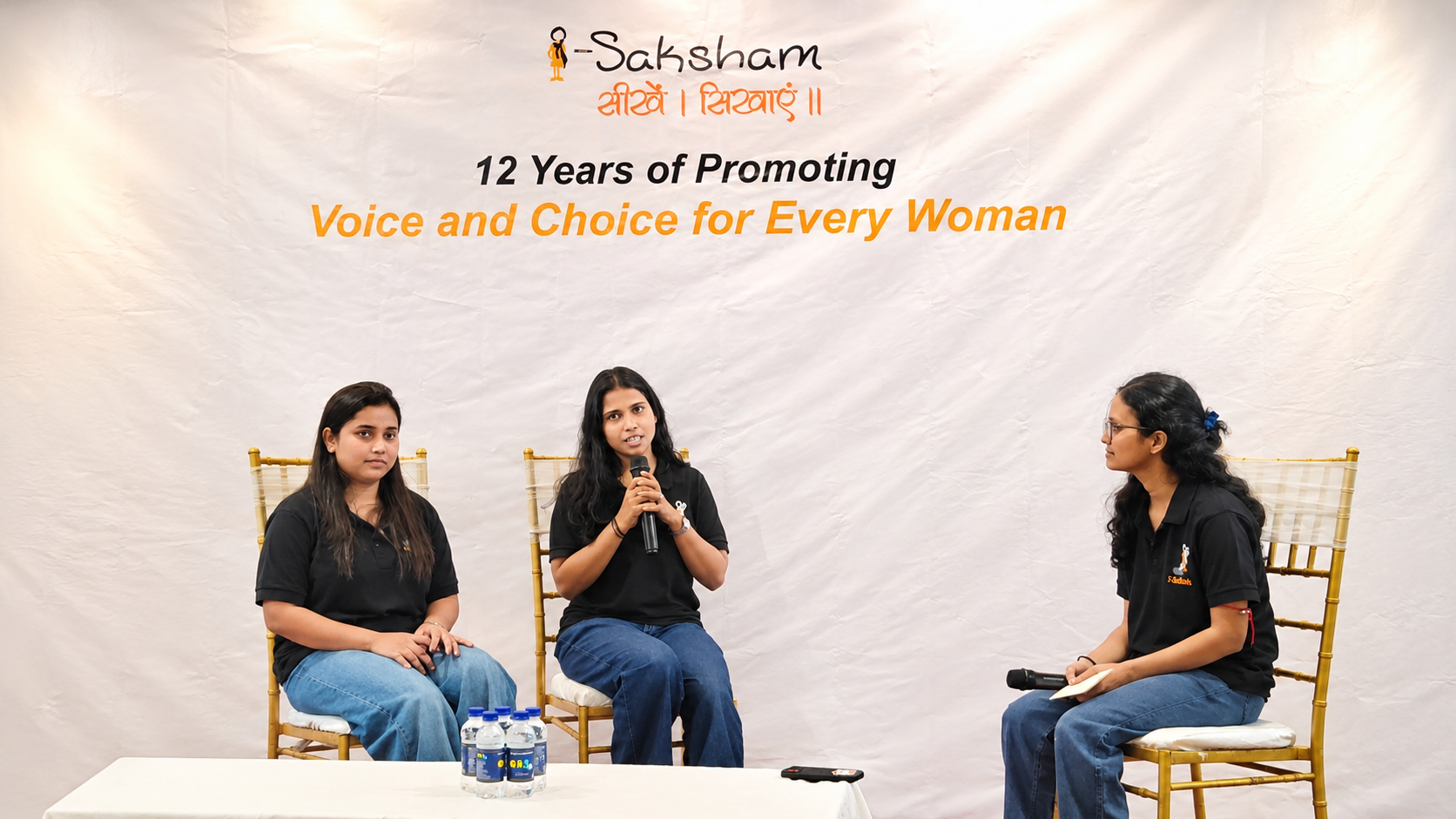
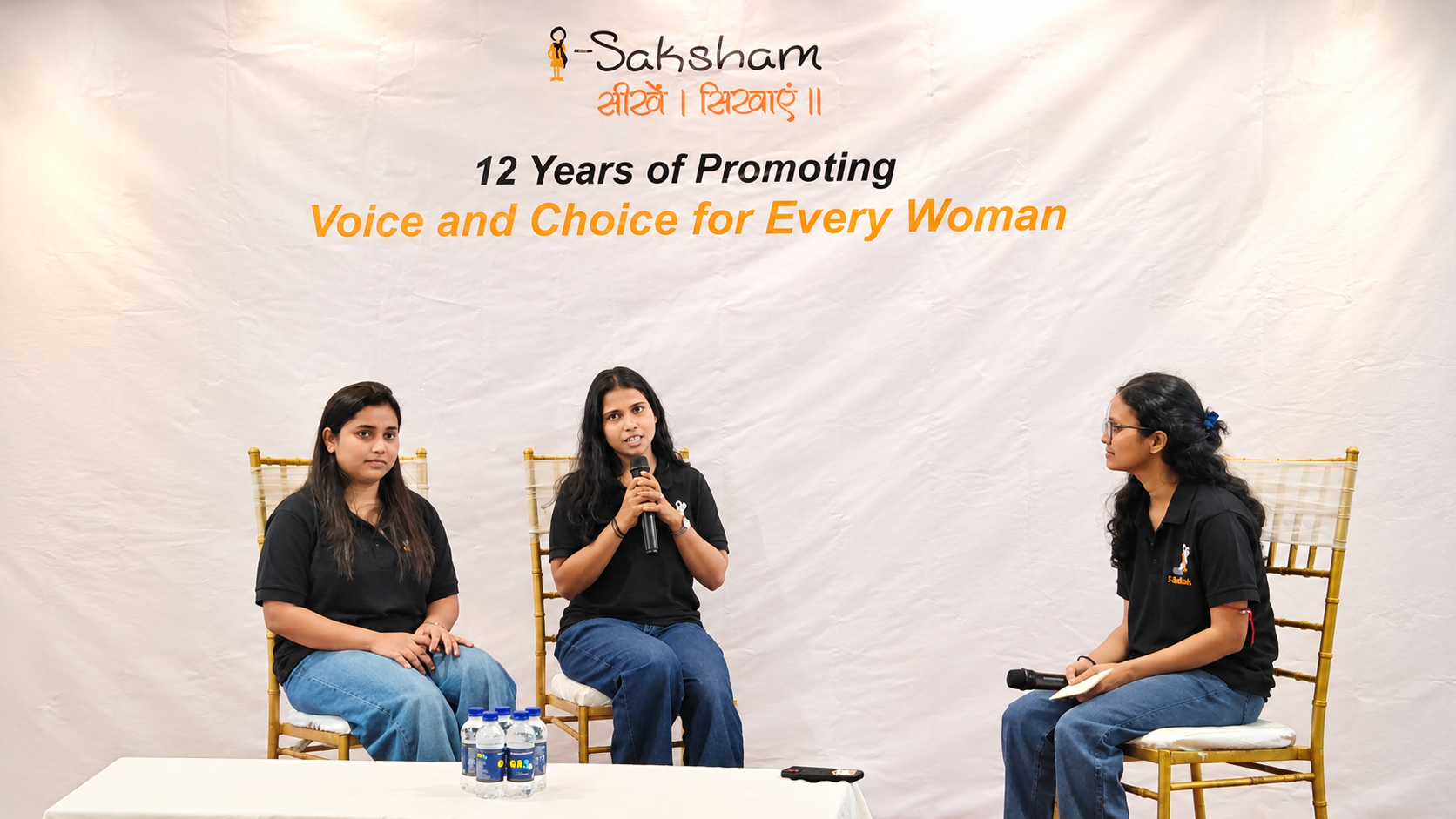
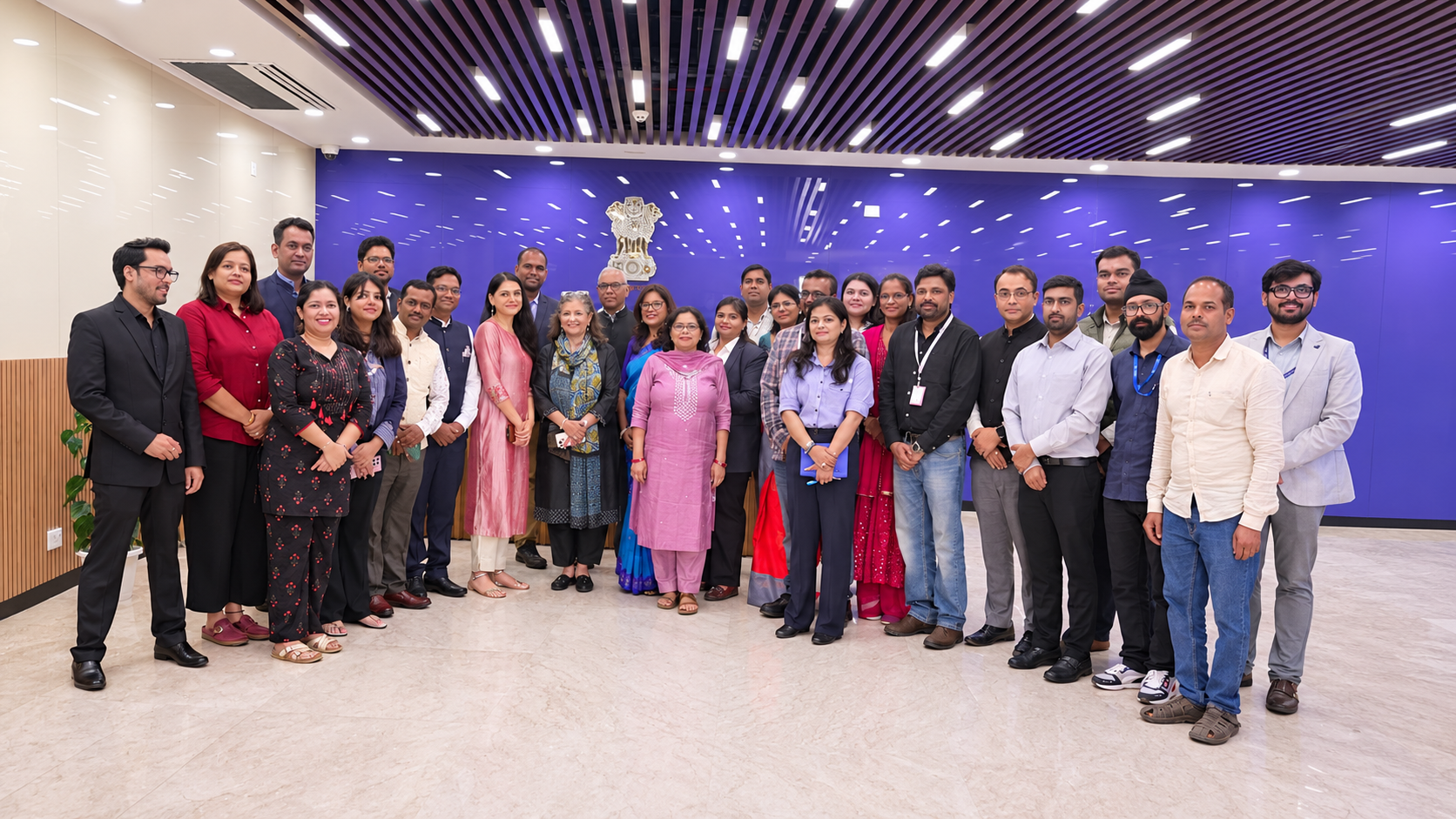
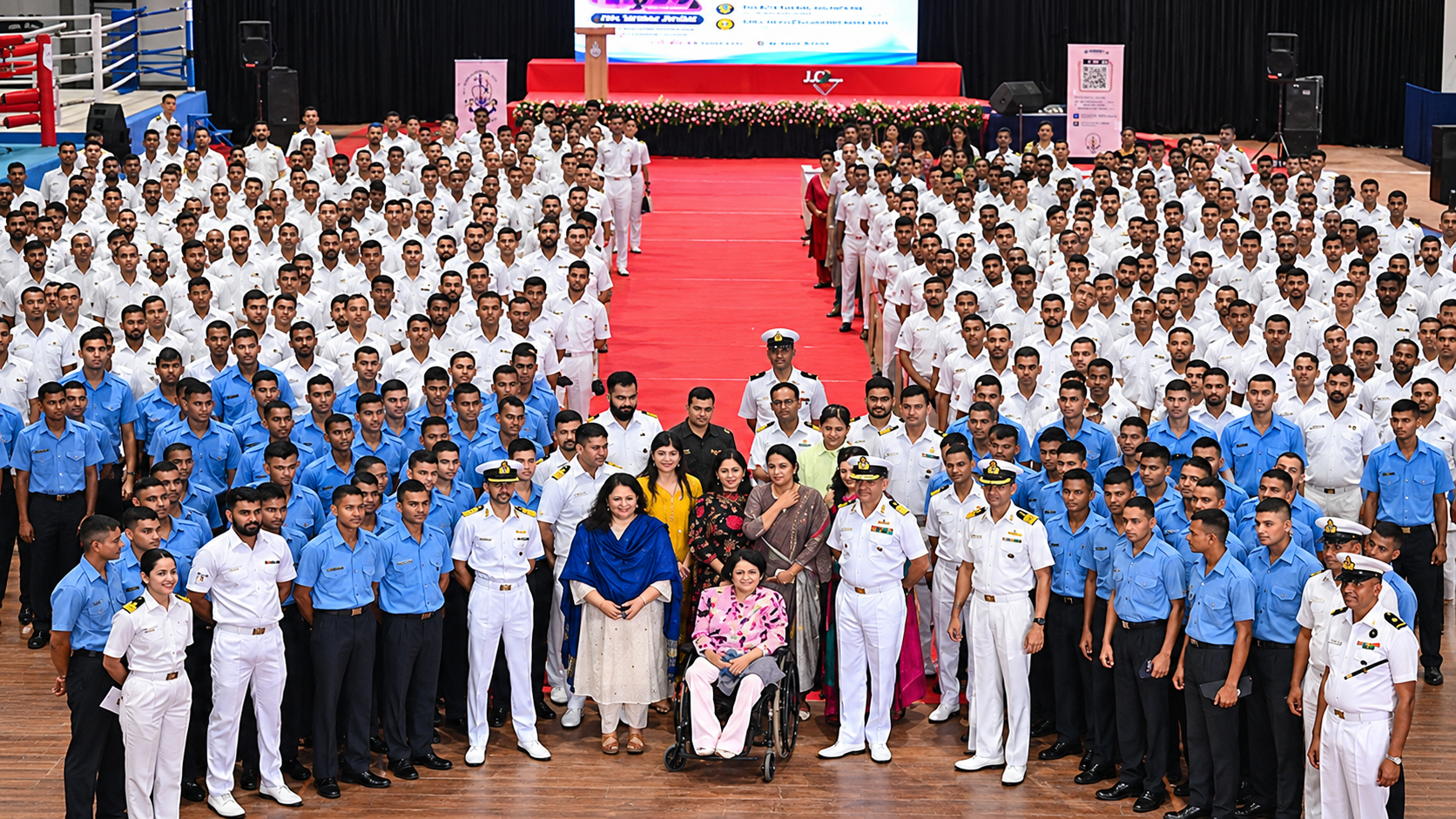
Patna, November 18, 2026: Young women from rural Bihar who participated in i-Saksham’s Edu-Leader Fellowship shared their experiences of navigating education, marriage, personal agency and community leadership at a gathering in Patna. The programme brought together more than 70 social-sector leaders, funders, advisers and institutional representatives to discuss the support systems needed to help young women pursue education and lead change in their communities.
The gathering featured the journeys of two Edu-Leaders, Komal and Babita, whose experiences highlighted the role of education, family support, mentorship and community engagement in expanding opportunities for rural women. The conversation was moderated by Smriti, i-Saksham’s first-batch Edu-Leader, and hosted by Anshu, a 2022–24 Edu-Leader.
Among those attending were Chetan Kapoor, CEO, Tech Mahindra Foundation; Prof. Debiprasad Mishra, Director, Development Management Institute (DMI); Prof. (Dr.) Rana Singh, Director (I/c), Chandragupt Institute of Management Patna (CIMP); Alok Kumar Singh, State Portfolio Manager, Nalanda Charitable Foundation; Mahua Roy Choudhury, Programme Coordinator, Bihar Rural Livelihoods Promotion Society (BRLPS); Gargi Saha, Child Protection Officer, UNICEF; and Dr. Sarwar Khan, Project Lead, Azim Premji Foundation. Representatives from Malabar Group and Aga Khan Development Network (AKDN) also participated.
Komal, from Jamui district, joined the Edu-Leader Fellowship in 2020 after having tutored children in her neighbourhood since Class 12. In 2024, after securing admission to Azim Premji University, she faced pressure to proceed with a marriage arranged by her family. Although she agreed on the condition that she could continue her studies, she later discovered that the prospective groom's family had not been informed about this arrangement.
Komal decided to pursue her education and approached the Superintendent of Police for support. At the police station, the officer told her family and villagers, “We are not asking, but telling you, your daughter is going to study.” The police helped her reach the station, while peers from WAYAM Collective accompanied her. i-Saksham and its partners supported her expenses, and the university subsequently extended a full scholarship.
Komal is now a Program Manager at Karunodaya Foundation, where she works on literacy and library programmes with teachers and schools. She also hopes to establish an organisation that helps girls and women make independent decisions about education, careers and their lives. Reflecting on her experience, she said, “People can show you the way, but you have to walk it yourself.”
Babita, from Bhagichak village in Bihar's Munger district, joined the Fellowship in 2019 with encouragement from her mother, a Community Mobiliser with JEEViKA. She began teaching children in her village and worked with families to understand the reasons behind irregular school attendance. When she found that some children were missing classes because they were collecting firewood for cooking, she helped families apply for LPG connections under the Ujjwala Yojana. Attendance subsequently recovered.
Through conversations with families, Babita also helped postpone the marriages of five to six girls. In 2023, when her elder sister faced violence and restrictions at her marital home, Babita and her parents supported her decision not to return, despite pressure from relatives and an elected panchayat. Her sister is now part of a fellowship and works in Begusarai.
Babita became the first girl from her village to study in Bengaluru, completing her MA at Azim Premji University. She currently works as a Program Associate at Seva Mandir. Reflecting on her approach to supporting others, she said, “Helping someone does not mean making the decision in their place.”
The programme also highlighted the continuing challenges around child marriage and women's education in Bihar. Citing National Family Health Survey data, the release noted that approximately 35% of women aged 20–24 in the state were married before the age of 18, compared with around 41% in NFHS-5 (2019–21).
i-Saksham also shared findings from its alumni data, according to which around 90% of its Edu-Leaders continue their undergraduate education each year, compared with a state average of 17.7%, based on AISHE data for 2022–23. Institutions including the Development Management Institute (DMI), Chandragupt Institute of Management Patna (CIMP) and Ashoka University provide scholarship support to help make higher education accessible to young women from financially disadvantaged backgrounds.
According to the organisation's third-party impact assessment report, about half of the fellows move into paid employment with civil society organisations, corporates and government institutions. Organisations such as JEEViKA, PRADAN, Karunodaya and Prayog provide opportunities for fellows to continue their leadership journeys and apply their skills in community-based work.
Opening the programme, Chetan Kapoor, CEO, Tech Mahindra Foundation, shared his perspectives and experiences as a mentor to i-Saksham. Ravi Dhanuka, CEO and Co-Founder of i-Saksham, emphasised the importance of building an ecosystem that supports young women's journeys by addressing not only access to opportunities but also their agency, confidence and support systems.
The discussions concluded with participants reflecting on how similar initiatives could reach more young women across different geographies. The experiences shared at the gathering highlighted the role of relatable role models, mentorship, family support and community engagement in helping young women continue their education, build careers and participate in decision-making.