From LPG to Electric: India’s Kitchen Shift Amid the West Asia Crisis, Insights from Anil Gurnani
In recent months, the Indian kitchen has quietly emerged as a frontline of change. As the ongoing West Asia crisis and disruptions in the Strait of Hormuz ripple through global energy markets, the conversation around clean cooking in India is shifting from a long-term sustainability goal to an immediate household concern. With nearly 60 per cent of India’s LPG requirements dependent on imports, supply uncertainties have exposed a key vulnerability. In response, electric cooking solutions such as induction cooktops and hybrid appliances are rapidly gaining ground, moving from backup options to everyday essentials in many homes.
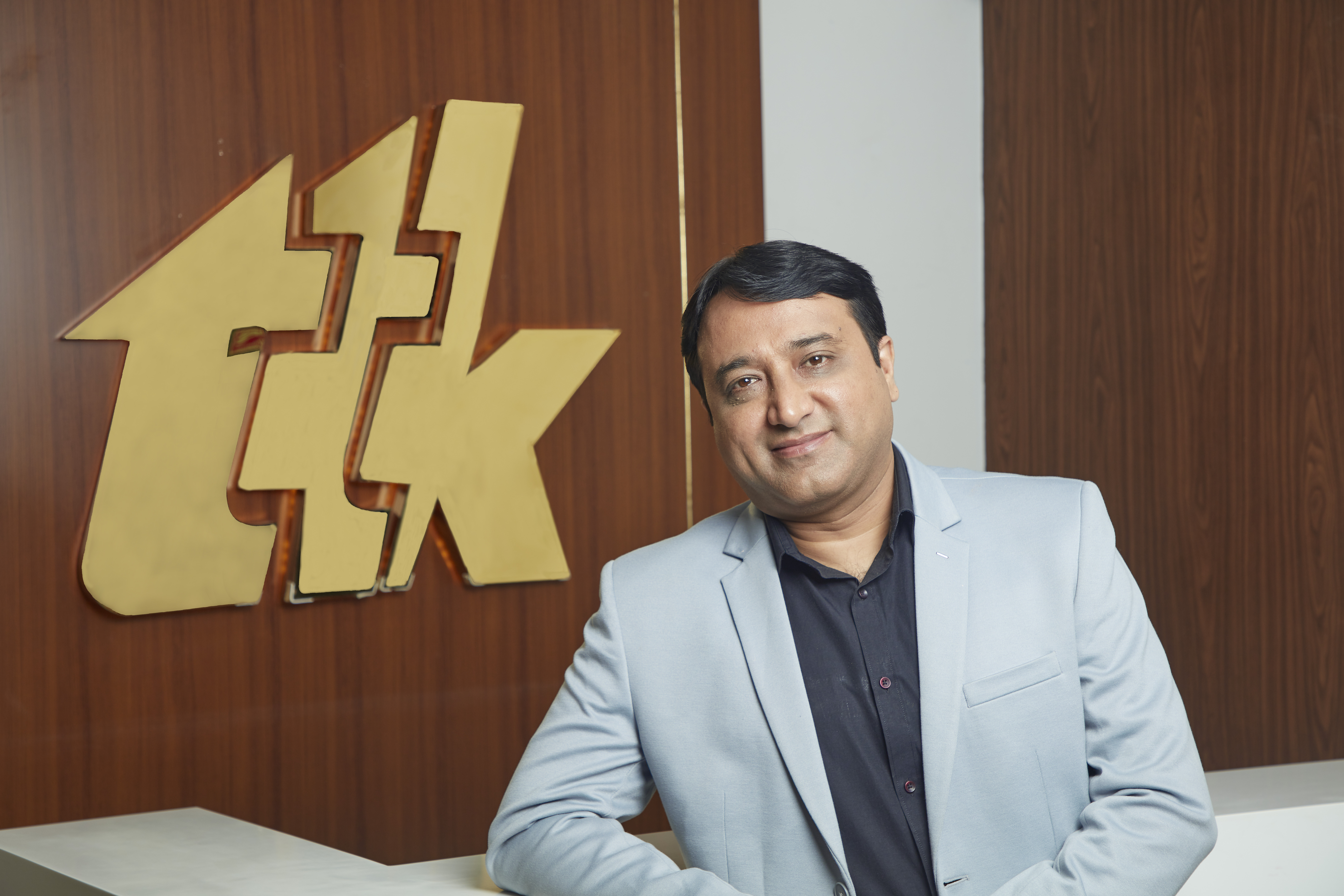
In this evolving landscape, the shift is not just about managing short-term disruptions. It also signals a broader transition toward energy-efficient and low-emission cooking practices that align with India’s climate ambitions. In this exclusive conversation with TheCSRUniverse, Mr. Anil Gurnani, Chief Sales and Marketing Officer, TTK Prestige, shares insights into this transition. From a sharp surge in demand to the rise of hybrid cooking ecosystems, he outlines how technology, consumer behaviour, and sustainability priorities are coming together to redefine the modern Indian kitchen.
Scroll down to read the full interview.
Q&A
Q. With the ongoing LPG supply disruptions, how do you see induction cooking evolving from a “backup” option to a primary solution in Indian homes?
A. The recent LPG supply disruptions have prompted many households to explore alternative cooking options, and induction cooking is increasingly emerging as a dependable choice. Over the past few weeks, we have witnessed a sharp surge in demand for induction cooktops, with sales increasing nearly 15 times compared to usual levels, and in some cases, daily sales rising to over 12,000 units compared to a typical 5,000 units across India.
While induction was earlier considered a backup appliance, many consumers are now experiencing its benefits for everyday cooking, such as energy efficiency, faster heating, and improved safety due to the absence of an open flame.
At the same time, there is a growing shift toward aspirational appliances such as induction cooktops, air fryers, and nutriblenders, which are simplifying daily cooking through smarter features.
Technologies like infrared cooktops and dual cooktops that combine induction and infrared are also gaining traction, as they offer greater flexibility with cookware while ensuring cleaner, safer, and more efficient cooking in compact kitchen spaces.
These appliances not only enhance convenience but also support lower power consumption and better energy utilisation, making them increasingly relevant for modern households. As awareness around sustainability and efficient living continues to grow, induction cooking is likely to move beyond being a secondary appliance and become a core element of the modern Indian kitchen.
Q. We are hearing reports that induction cooktops are quickly going out of stock in many markets due to a sudden surge in demand. What trends are you seeing from an industry perspective?
A. From an industry standpoint, we are seeing a very strong uptick in demand across multiple electric cooking categories, largely driven by LPG supply constraints. In fact, in certain markets, there has been a temporary drop in LPG-dependent product usage, which has accelerated the shift toward electric appliances.
While induction cooktops are witnessing the most significant growth, the demand is clearly extending across the broader electric appliance category. Products such as electric cookers and electric kettles have seen a 20–30% increase in demand, while induction-compatible cookware has grown by around 10%.
Additionally, appliances such as air fryers are gaining strong traction, especially among health-conscious consumers, as they enable cooking with significantly less oil, using baking or hot air circulation instead of deep frying, making meals healthier while also being more energy-efficient.
We are also seeing increasing interest in infrared cooktops and hybrid appliances, as they offer flexibility across different cookware types. Overall, the trend indicates that consumers are not just reacting to the current situation but are actively exploring more efficient, versatile, and safer ways of cooking.
Q. Do you think this current spike in demand will translate into a long-term shift in cooking habits, or will most households return to LPG once supply stabilises?
A. While LPG will continue to remain an important part of Indian kitchens, the current situation is giving many consumers their first experience with induction cooking and other IoT-enabled appliances. Compared to the same period last year and the previous quarter, monthly sales of induction cooktops have surged nearly 15 times in recent weeks, reflecting a clear shift in consumer preference.
We are also seeing strong traction on digital channels, with e-commerce platforms witnessing nearly 120% growth in demand compared to last year, driven by LPG supply concerns and the convenience of online access.
Once households become comfortable with the convenience, safety, and energy efficiency of electric cooking, many are likely to continue using these appliances alongside LPG. Over time, this could lead to a hybrid cooking ecosystem, where gas, induction, and even infrared-based appliances complement each other based on usage and need.
Q. What are the most significant long-term environmental and health benefits for families that transition from gas to electric cooking?
A. Electric cooking appliances such as induction cooktops, infrared cooktops, air fryers, and ovens eliminate direct combustion inside the kitchen, which helps reduce indoor air pollution, a key health benefit for households. This shift enables cleaner and safer cooking environments, particularly in urban homes with limited ventilation.
Induction cooking is also more energy-efficient, as it transfers heat directly to the cookware, minimising energy wastage compared to conventional gas-based cooking. Similarly, appliances like air fryers promote healthier eating habits by reducing oil consumption, as food is cooked through hot air circulation rather than deep frying.
As India continues to expand its renewable energy capacity, electric cooking can contribute meaningfully to lowering household carbon footprints.
At the same time, we are seeing the growing relevance of a hybrid cooking approach, supported by appliances such as dual cooktops that combine induction and infrared technologies, offering flexibility, compact design, and efficient performance. These appliances enable households to transition gradually while maintaining convenience and reducing dependence on LPG.
In the long term, this shift supports both healthier homes and a more sustainable energy ecosystem.
Q. High upfront costs for appliances and compatible cookware can be a hurdle. How is the industry working to make induction cooking more affordable for the average Indian household?
A. Affordability remains a key consideration for wider adoption. Over time, advances in manufacturing, better supply chains, and economies of scale have helped significantly reduce the cost of induction cooktops. Today, consumers can access a wide range of models at different price points.
At the same time, brands are focusing on developing cost-effective induction-compatible cookware, enabling households to gradually transition without needing to replace their entire kitchen setup at once. This phased adoption makes the transition to energy-efficient cooking more accessible for the average Indian household.
Q. Many people worry that traditional Indian dishes do not cook as well on induction. How is your technology evolving to handle diverse Indian cooking styles?
A. Indian cooking techniques vary widely, from slow simmering and sautéing to high-heat frying and tempering. Modern induction cooktops are now equipped with advanced temperature control systems, preset cooking modes, and improved heat distribution that can replicate these traditional cooking processes effectively.
This ensures that everyday Indian dishes, from rotis and curries to tadkas and deep-fried snacks, can be prepared with the same consistency and taste. Continuous innovation in this space is making induction technology increasingly compatible with the diversity of Indian culinary traditions.
Q. For a wider shift toward electric cooking, homes need adequate electrical capacity. Are you seeing progress in how newer homes are being designed or wired to support such appliances?
A. Yes, we are seeing encouraging developments in this area. Many newer residential projects are being designed with higher electrical load capacities and dedicated power points for modern kitchen appliances.
As modular kitchens and smart home concepts gain traction, developers are increasingly incorporating infrastructure that supports electric cooking solutions. This shift in housing design will play an important role in enabling wider adoption of energy-efficient appliances in Indian homes.
Q. How can CSR initiatives play a bigger role in helping underserved communities adopt cleaner, safer, and more reliable cooking solutions?
A. CSR initiatives can play a meaningful role in expanding access to cleaner cooking technologies, particularly in underserved communities. Programs that focus on awareness, training, and distribution of energy-efficient appliances can help households transition to safer cooking methods.
Partnerships with NGOs, local governments, and community organizations can also help integrate clean cooking solutions into broader health, livelihood, and sustainability programs. Such initiatives can significantly improve quality of life while also contributing to environmental goals.
Q. Looking ahead, what key innovations or trends do you believe will define the “modern Indian kitchen” in the next few years?
A. The modern Indian kitchen will increasingly be shaped by energy efficiency, multifunctional appliances, and smart technology integration. Consumers today are looking for appliances that are convenient, safe, and energy efficient.
Electric cooking appliances such as induction cooktops, air fryers, OTGs, and multifunctional cookers are likely to become more mainstream. As awareness around sustainability and energy conservation grows, kitchens will increasingly adopt solutions that reduce energy consumption while enhancing cooking efficiency.
Q. From a broader perspective, how can a gradual shift toward electric cooking contribute to India’s long-term energy security and sustainability goals?
A. A gradual shift toward electric cooking can significantly strengthen India’s long-term energy resilience. By reducing dependence on imported LPG and leveraging domestically generated electricity, particularly from renewable sources, electric cooking solutions such as airfryers, OTGS, induction cooktops, electric kettles, electric cookers can support a more secure and sustainable energy ecosystem.
Over time, this transition can help reduce carbon emissions, improve indoor air quality, and align household energy consumption with India’s broader climate and sustainability commitments.







.png)