From Classrooms to Communities: How JBCN is Redefining Inclusive Education
%20(1)%20(1).jpeg)
Real change in education begins when classrooms go beyond textbooks and connect with the real world. As conversations around inclusivity grow, schools are moving from ideas and policies to everyday actions that shape how students learn, think, and engage with society.
In this insightful interview, Ms. Debika Chatterji, Director Principal, JBCN International School, Borivali, shares how JBCN Education is making inclusivity a lived experience through daily classroom practices and sustained community partnerships. She explains how initiatives like their collaboration with Abhinav School are creating meaningful peer learning, where students learn with each other rather than for each other.
The discussion highlights how hands-on student involvement, book drives, and community engagement are building empathy, leadership, and social responsibility. It also explores the role of NGO partnerships, early signs of impact such as improved participation, and how this model can be scaled across schools.
At its core, the conversation shows how education can shape not just better students, but more inclusive and responsible citizens.
Scroll down to read more:
Q. Inclusivity is often discussed at a conceptual level. How do you bring it alive in everyday learning at JBCN Education?
A. At JBCN International Schools, inclusivity is embedded into daily classroom practices rather than treated as a separate idea. We design learning experiences that encourage collaboration, respect for diverse perspectives, and equal participation. Activities such as mixed-group work, peer teaching, and open discussions help learners experience inclusion firsthand, making it a lived value rather than just a concept.
Q. What prompted the shift from one-time interventions to more sustained, partnership-based models of engagement?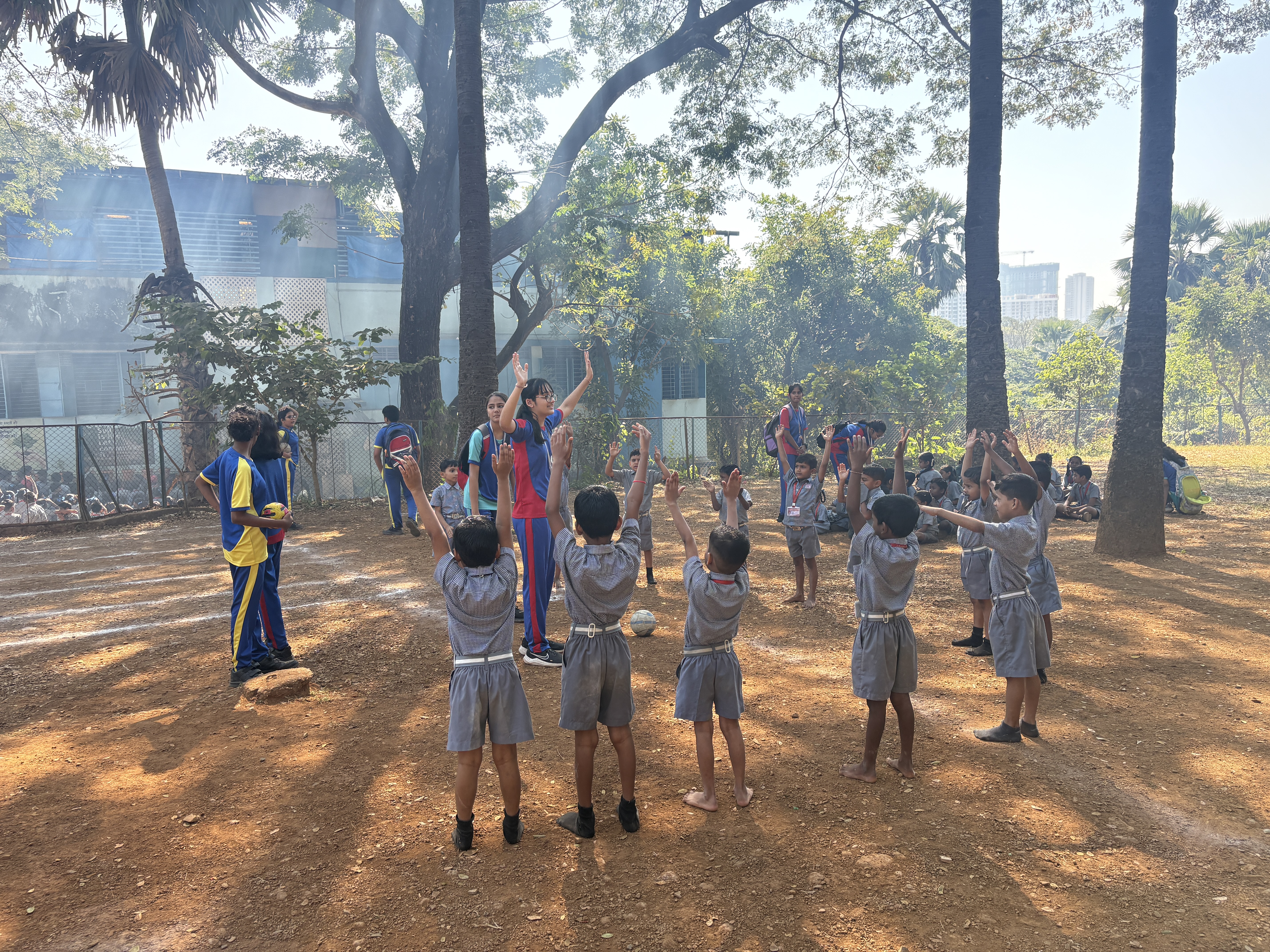
A. One-time interventions often create temporary awareness but limited long-term impact. The shift towards sustained partnerships was driven by the need for deeper engagement, continuity, and meaningful relationships. Ongoing collaboration allows learners to build empathy, understanding, and responsibility over time, leading to more authentic learning experiences.
Q. Your collaboration with Abhinav School focuses on peer learning and shared experiences. How is this model structured, and what makes it more effective?
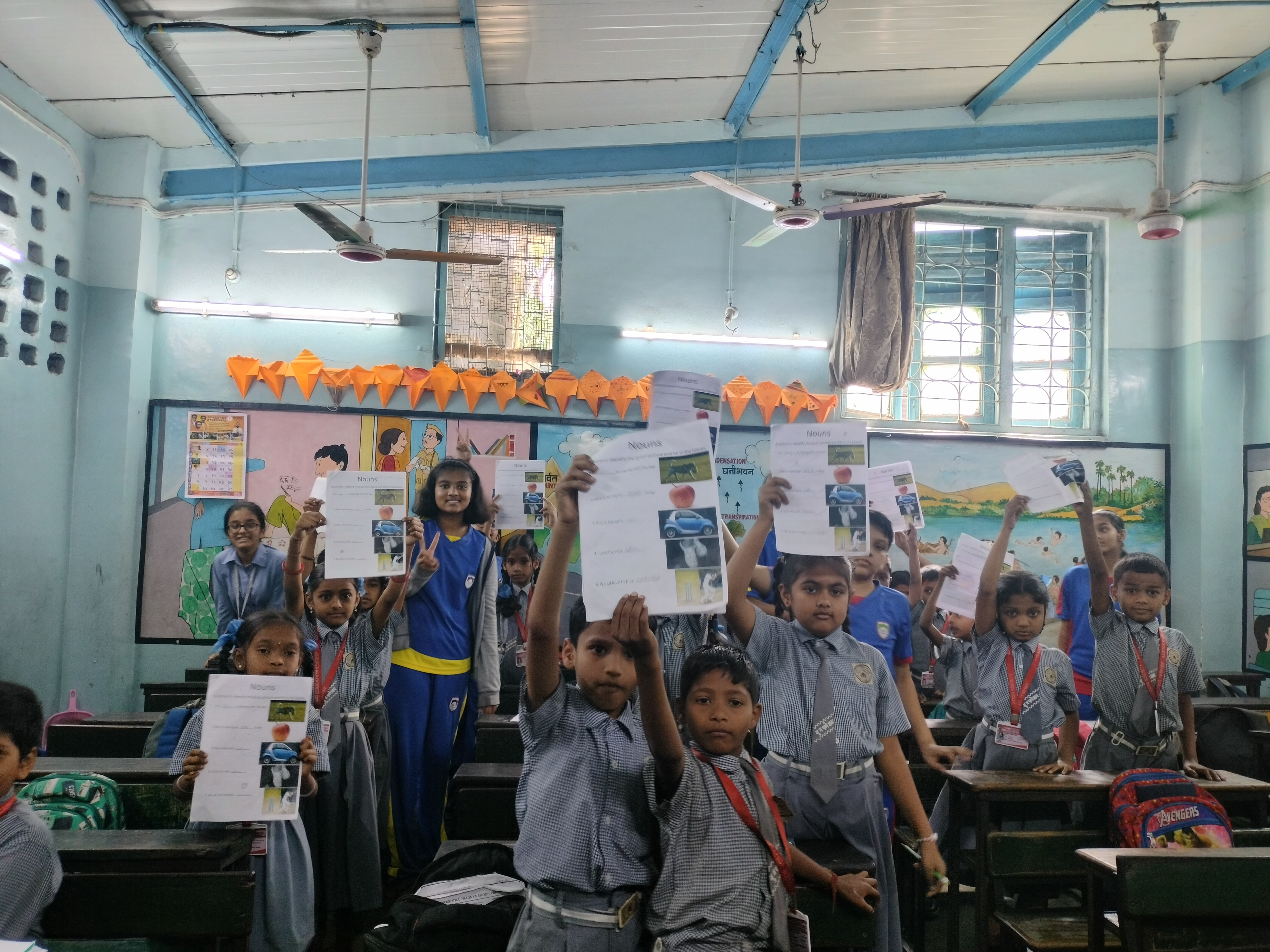
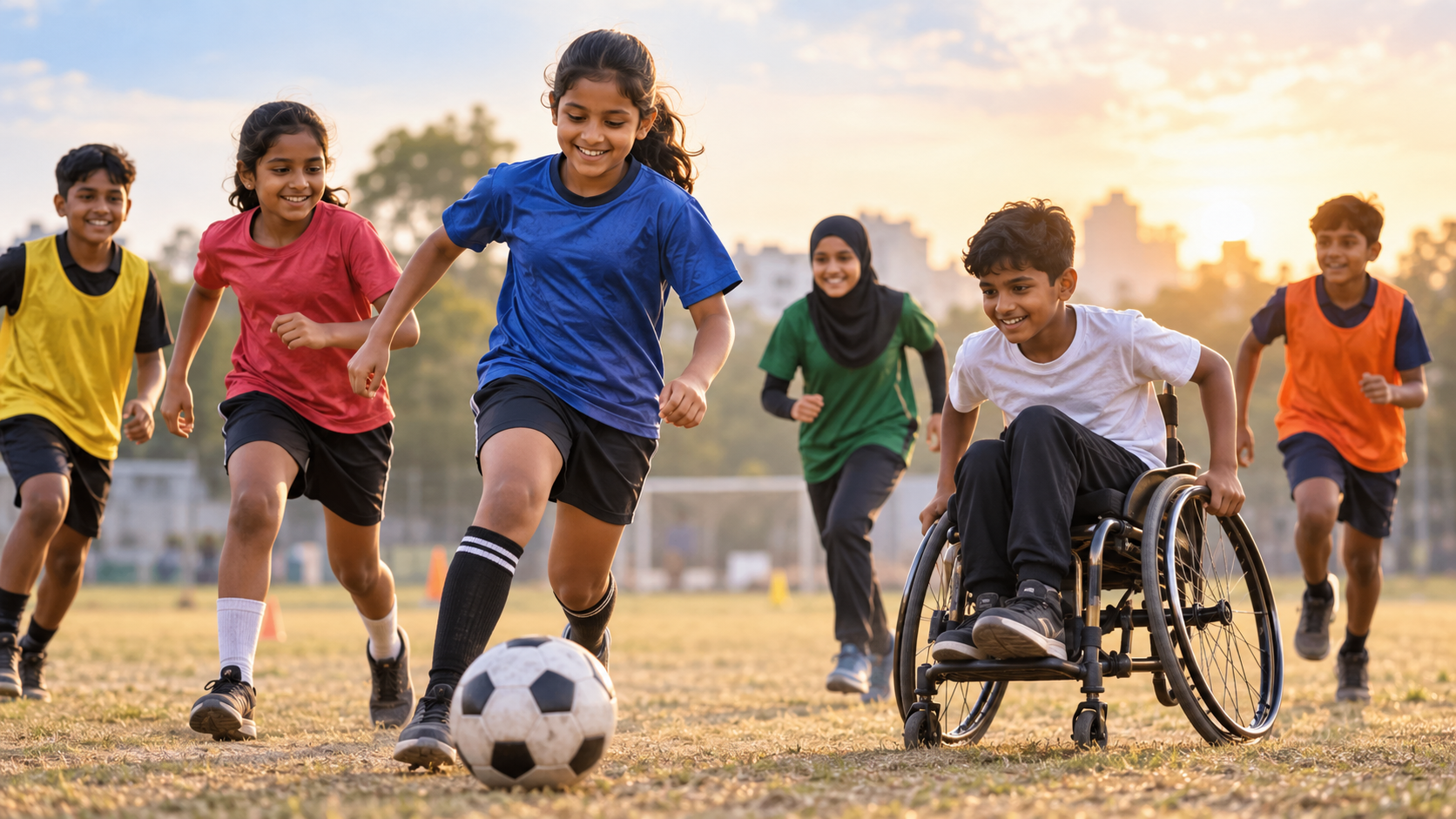
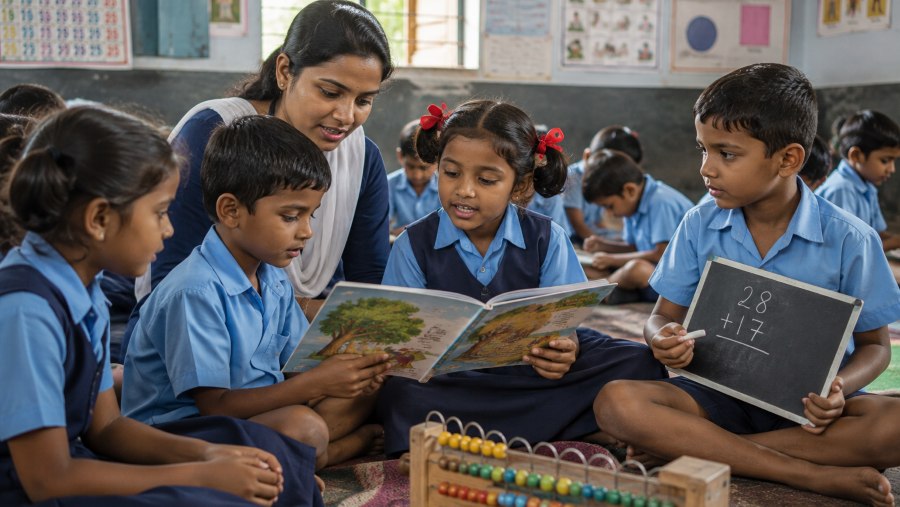
A. The model is built around regular interactions where learners of grades 6 to 10 of JBCN school engage in shared activities such as Brain-time where different topics such as body parts, domestic and wild animals, places in town, to name a few. Among other activities taught are Origami, Rubix cube, outdoor games such as football, cricket, etc. It emphasizes mutual learning rather than a one-sided approach. Its effectiveness lies in consistency, equal participation, and the opportunity for learners to learn from each other’s strengths and contexts.
Q. Students are actively involved in teaching and community initiatives. How has this hands-on involvement shaped their understanding of inclusion?
A. Hands-on involvement helps learners move beyond theoretical understanding to real-life application. By teaching, collaborating, and engaging directly with learners at Abhinav School, coming from different backgrounds, our learners develop empathy, adaptability, and respect. It deepens their awareness of diversity and helps them see inclusion as a shared responsibility.
Q. Initiatives like book drives and fundraising are part of the model. How do these go beyond support to create meaningful learning outcomes?
A. These initiatives build awareness, responsibility, and reflection among learners. Learners are involved in planning, organizing, and understanding the purpose behind these efforts. This shifts the focus from charity to empathy and active citizenship, helping them develop critical life skills such as leadership, collaboration, and social awareness.
 Q. Have you observed any early impact, such as changes in attendance, participation, or mindset, among students?
A. Yes, early observations indicate increased engagement, improved participation, and a noticeable shift in learner mindset. Learners at Abhinav school look forward to meeting our learners. At the same time, JBCN learners show greater openness, confidence in interacting with diverse peers, and develop a stronger sense of empathy and responsibility. These changes, though gradual, are promising indicators of long-term impact.
Q. Partnerships with organizations like LSF play a role here. How important is collaboration in sustaining and scaling such efforts?
A. NGOs working with marginalized communities provide our learners with in vivo, real-world experiences, moving learning beyond theory to direct engagement with social issues like inequality and access. This helps develop key 21st-century skills such as empathy, critical thinking, and social responsibility, aligning with the goal of building a more equitable and inclusive workforce.
These experiences also deepen learners’ understanding of the real-world relevance of the SDGs, encouraging active participation in social change. Thus, ensuring that social outreach is sustained and meaningful rather than tokenistic, as learners engage consistently and reflectively instead of one-time activities.
Q. Do you see this model as scalable across other schools? What would be required to replicate it effectively?
A. Yes, this model is highly scalable and can be effectively implemented across other schools. However, successful replication would require meticulous planning, a clear vision, and a structured framework aligned with the school’s context and goals. Additionally, a dedicated and well-trained team is essential to ensure smooth execution and sustainability of the initiative.


.png)