From Awareness to Action: How Miror is Transforming Midlife Health for Working Women
When the women who keep our cities running begin to silently struggle with their own health, it becomes more than a personal issue—it becomes a societal concern that demands urgent attention. In India, hormonal health, especially during midlife, continues to remain under-discussed and underdiagnosed, particularly among frontline women workers.
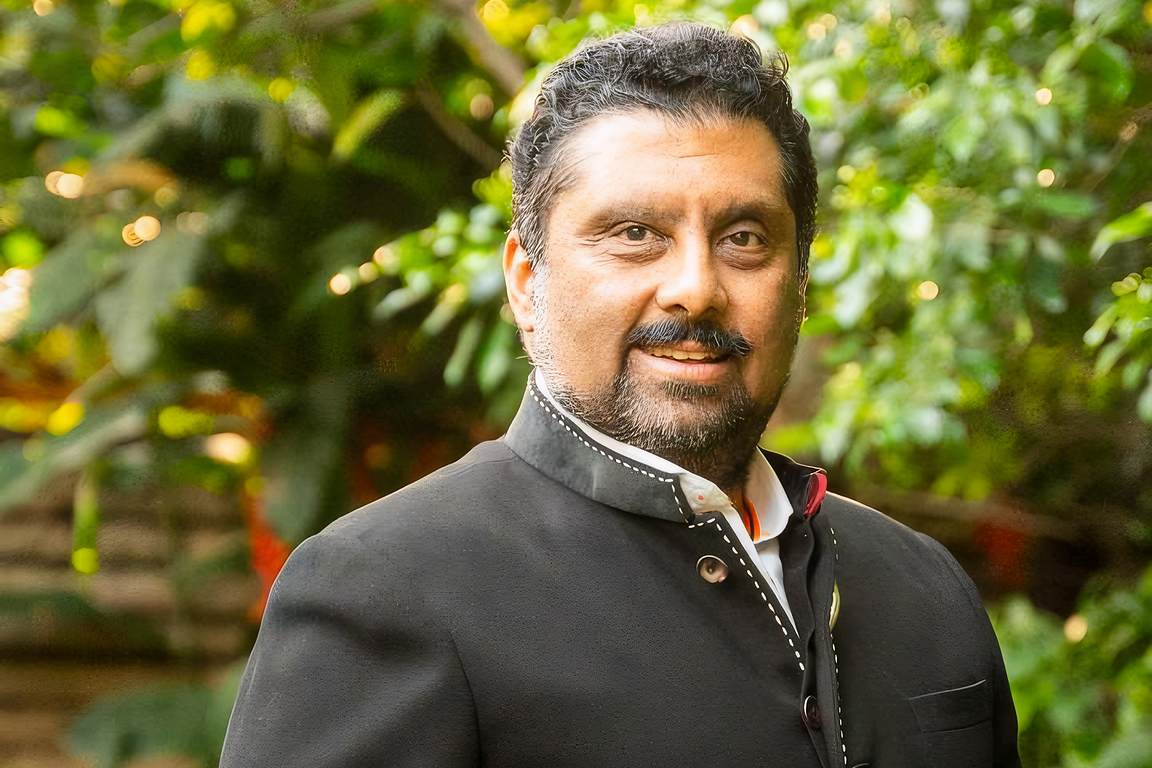
In this insightful interaction, Mr. Sanjith Shetty, Founder and CEO of Miror Therapeutics, sheds light on the vision behind the “Women’s Midlife & Beyond” initiative conducted in Bengaluru. The conversation explores how the program is addressing critical gaps in awareness around perimenopause and menopause through medical education, screenings, and nutritional guidance.
He also highlights the alarming findings from the initiative, where a majority of participants were unaware of their hormonal health stage, underscoring the need for early intervention. The interview further delves into the role of medical experts, the shift towards gynaecologist-led advocacy, and how strategic collaborations are helping build a scalable, community-driven model for women’s health support.
Read the full Interview below:
Q. What is your vision behind this initiative, and what key gaps are you trying to address through it?
A. We are a community that connects women to experts not just in medical but also in nutrition, fitness, and so many other experts who are available to everyone facing hormonal problems. This is especially true for the underprivileged. We aim to address some key gaps in awareness through this initiative and provide reliable medical guidance concerning menopause and perimenopause. The frontline women workers, who are the backbone of Bengaluru’s urban infrastructure, often lack both time and resources to prioritise their health. We at Miror Therapeutics are working with them to bridge the gap by bringing clinically supported education and supporting them directly with our medical experts.
Q. What were the main objectives of the “Women’s Midlife & Beyond” campaign, and how was it designed to support frontline women workers?
A. The objective behind this campaign has been mainly to improve awareness about women who are going through midlife hormonal health. It also aims to empower the frontline workers so that they are easily able to identify perimenopause and menopause. The campaign identified a comprehensive approach combining medical education and dietary guidance. The Corporate Social Responsibility (CSR) program was hosted at a government hospital and tailored to suit women like Pourakarmikas, ASHA workers, and hospital staff. The sessions were interactive, so participants could feel involved in the program rather than facing mere theoretical knowledge.
Q. The screening revealed that a large percentage of participants were in the perimenopause stage. What does this indicate about the current awareness and healthcare access for this group?
A. This initiative showed a significant gap in awareness and timely healthcare access. 84% of participants who were in the perimenopause stage did not have any prior knowledge about their condition. This indicates that symptoms are often ignored, normalised, or not diagnosed properly. This emphasises the emerging need for proactive screening and awareness, as well as improved integration of hormonal health into primary healthcare for working women.
Q. How was the program structured on-ground (duration, sessions, screenings), and what kind of response did you receive from participants?
A. The program was conducted as an interactive discussion at the Magadi Road Maternity Hospital. It was a high-impact, on-ground initiative that focused on interactive awareness sessions on perimenopause, menopause, and HRT (Hormonal Replacement Therapy). This was followed by dietary consultations for women showing symptoms. The response was overwhelming, with 62 women participating in the event. Participants were engaged and were asking questions proactively. At the end, they appreciated the team for giving clear nutrition guidance in a very accessible manner.
Q. What role did medical experts play in delivering the campaign?
A. Medical experts played a crucial role in ensuring the scientific accuracy of the program. The presence of the experts increased the credibility of the initiative. They helped shape the educational content and supported active discussions around sensitive topics like HRT. The presence of experts reinforced participants' trust and ensured the event's effectiveness.
Q. You mentioned a shift towards gynaecologist-led advocacy. How will this approach improve outcomes for women in future initiatives?
A. Shifting towards gynaecologist-led advocacy will bring a stronger clinical foundation to our initiatives. Raising awareness is only scratching the surface. Many women actually require personalised diagnosis and treatment plans, especially in cases of complex symptoms or determining HRT eligibility. Involving gynaecologists provides confidence in the medical authority, improves diagnostics, and builds confidence and trust.
Q. How have collaborations with your current partners helped strengthen this initiative and expand its reach or impact?
A. Collaboration has been influential in increasing the reach and impact of this initiative. Partnerships with medical bodies, local healthcare institutions, and community networks enabled us to access the right target audience and deliver credible, high-quality interactions. These discussions ensured efficiency and validation and, most importantly, helped build trust within the community. We are confident that we can replicate a scalable model across other regions in the future.




.png)