Education as Impact: Paul Wright on PDS’ Soham Journey Across India and Bangladesh
When education becomes a lifeline, it has the power to transform not just individual lives, but entire communities. For thousands of underprivileged children, access to quality learning is often the first step toward dignity, opportunity, and a better future.
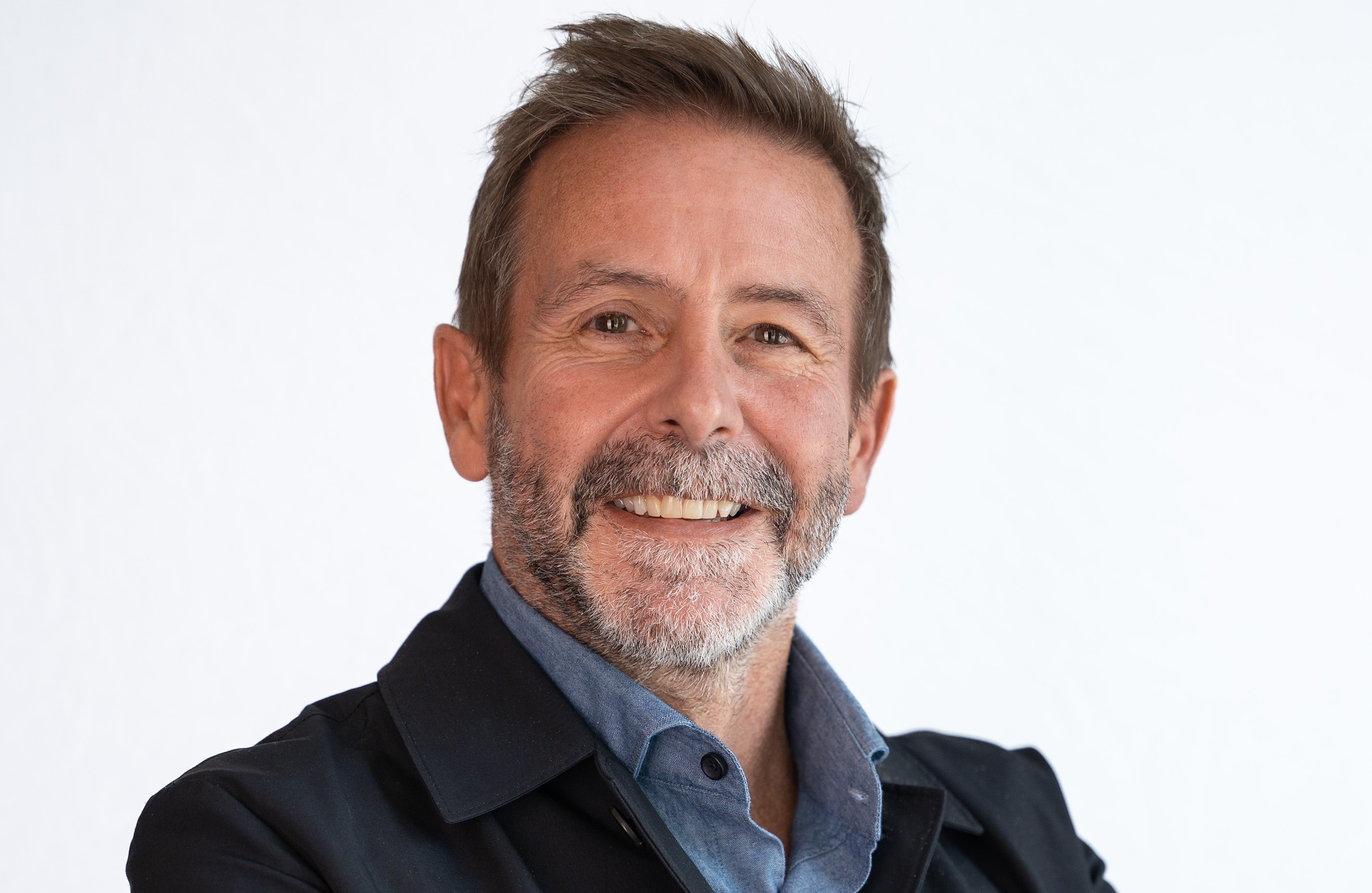
In this insightful conversation, Mr. Paul Wright, Group ESG Director at PDS Limited, shares how the company’s flagship CSR initiative, Soham, is driving meaningful social impact across India and Bangladesh. Rooted in the belief that education is a fundamental right, Soham goes beyond classrooms—integrating academics with experiential learning, health support, nutrition, and vocational training to create a holistic ecosystem for children and their families.
The interview explores the origins and evolution of Soham, its community-focused approach, and how it addresses gender inclusion, family empowerment, and long-term socio-economic resilience. It also highlights the role of partnerships, on-ground challenges, and the roadmap to expand its reach to more underserved communities. At its core, the conversation reflects how responsible business can create lasting change through education-led development.
Scroll down to read more:
Q. Could you introduce the Soham initiative to our readers its origins, core mission, and the communities it seeks to serve? How does this initiative reflect PDS Group’s broader vision of responsible business and social impact?
A. Education is a central pillar of PDS Group’s approach to social responsibility. The Group believes that access to structured, quality education can play a meaningful role in helping children and families move towards greater stability and opportunity. Beyond academic learning, PDS views education to build confidence, life skills, and long-term resilience.
PDS follows a community-focused model that looks beyond the classroom. Along with education, the approach includes attention to health, nutrition, and emotional well-being, recognizing that these factors directly influence a child’s ability to learn and thrive. Schools supported by PDS often serve as trusted community spaces, helping identify challenges early and enabling timely support for families.
Gender inclusion is an important part of this work. PDS addresses gender gaps through regular engagement with parents, confidence-building and self-defence sessions for girls, awareness programmes on health and well-being, and initiatives that encourage continued education.
The Soham initiative, that was launched in Hyderabad in 2010 was later expanded to Bangladesh, reflecting this integrated approach. It provides free education, nutritious meals, health check-ups, and skill-building opportunities for children and their families. Through Soham, PDS Group reinforces its broader commitment to responsible business practices and long-term social impact, with education as a foundation for community development.
Beyond the Soham programme, PDS also engages in broader community support and humanitarian assistance. As a company, PDS has extended financial aid and relief during natural calamities across regions where it operates, including contributing to recovery and welfare initiatives following floods in Sri Lanka, providing emergency assistance during floods in Bangladesh and also sending aid to underprivileged people there, and supporting earthquake relief efforts in Turkey.
These endeavours demonstrate the PDS’ commitment to upholding its values of responsibility, solidarity, and care for communities in times of need.
Q. What inspired the launch of Soham, and how has the initiative evolved since its inception in the Mallapur district of Hyderabad?
A. The Soham initiative was initiated as part of PDS Group’s broader effort to support access to education in communities facing economic and social constraints. It began with a single learning centre in the Mallapur district of Hyderabad, aimed at providing structured educational support to children from low-income households. The response from the local community and early indicators around attendance and engagement encouraged PDS to continue and gradually extend the approach to Bangladesh.
As the programme developed, education was increasingly viewed as a means to address wider social challenges, particularly those affecting girls. In situations of financial stress or household instability, girls are often more vulnerable to discontinuing their education. Through the education centres, PDS sought to create environments that are safe, inclusive, and supportive, while also engaging families on issues related to health, well-being, and continuity of learning. Over time, this helped position education not only as academic instruction, but as a stabilising influence within the community.
The initiative has since evolved to reflect the understanding that learning outcomes are closely connected to family and community systems. Educational support is complemented by nutrition, periodic health check-ups, psychosocial support, and extracurricular activities, with parents engaged through regular interactions and awareness sessions. Schools also serve as points of early identification for stress factors such as food insecurity or health-related concerns. This evolution reflects PDS’s ongoing effort to adapt its education-focused interventions in line with local needs, ensuring they remain relevant, inclusive, and supportive of children’s overall development.
Q. How does Soham ensure that quality education and vocational training reach children and families from marginalized communities in India and Bangladesh?
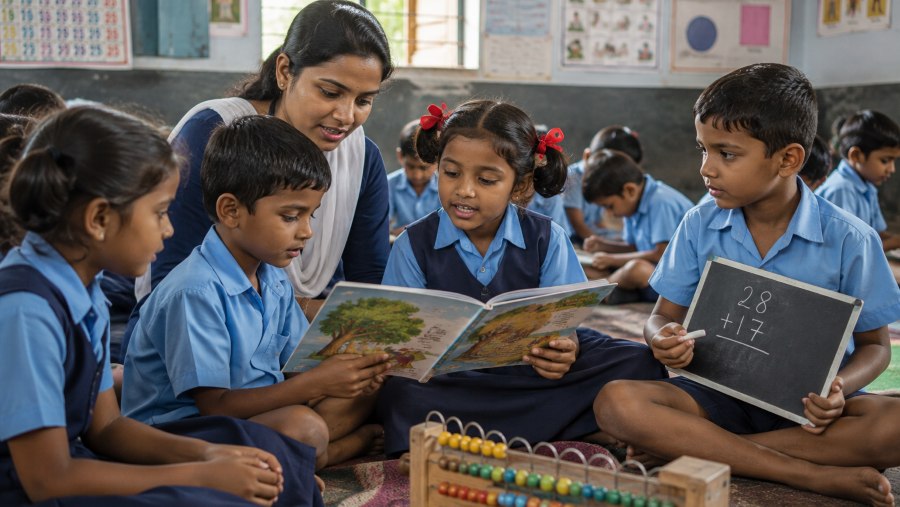
A. PDS supports access to quality education and vocational skills in underserved communities by adopting a community-centred, education-led approach that responds to local social and economic realities. Through structured learning centres in India and Bangladesh, education is provided at no cost and combines core academics with creative and experiential learning, alongside consistent after-school support. These centres are supported by trained local educators, child-friendly infrastructure, and essential study materials to ensure a stable and supportive learning environment.
Recognising that learning outcomes are closely linked to health, nutrition, and safety, PDS integrates additional layers of support into its education model. This includes periodic health check-ups conducted by medical professionals, provision of nutritious meals and seasonal fruits, access to first-aid resources, and attention to child safeguarding. Schools also act as points of early identification for vulnerabilities such as food insecurity or domestic stress, allowing timely referral and intervention where needed.
Beyond classroom learning, PDS strengthens family and community systems to support long-term educational continuity. Parents are engaged through regular interactions, nutrition briefings, and awareness sessions, reinforcing shared responsibility for children’s development. Vocational training centres complement this approach by offering skills such as sewing, computer literacy, and basic English, particularly for women and older students, helping improve employability and household resilience. Through this integrated model, PDS seeks to ensure that education functions not only as academic instruction, but as a practical support system for children and families navigating economic and social constraints.
Q. Could you share how Soham integrates experiential learning such as music, theatre, and art into the academic curriculum, and why this is important for child development?
A. PDS integrates experiential learning into education programmes with the understanding that learning extends beyond academics, particularly for children navigating social and economic vulnerability. Through its education initiatives, creative activities such as music, theatre, art, storytelling, and role-play are embedded into everyday classroom practice rather than treated as optional additions. These methods are used alongside core subjects to support comprehension, participation, and confidence in a structured yet child-friendly learning environment.
By adopting experiential learning as part of a broader, community-centred education model, PDS seeks to support holistic child development. These practices are reinforced through trained educators, family engagement, and complementary health and nutrition interventions, ensuring that creativity, emotional resilience, and critical thinking are developed alongside academic skills. Soham functions as the platform through which this approach is implemented, aligning day-to-day classroom experiences with PDS’s wider focus on inclusive, supportive, and context-responsive education.
Q. How do the vocational training programs in sewing, computer literacy, and English contribute to family empowerment and long-term socio-economic development in the regions you serve?
A. PDS views vocational training as an extension of its community-centred education approach, recognising that household stability plays a critical role in children’s learning and long-term well-being. Training in sewing, computer literacy, and basic English is designed to equip women and young people with practical, locally relevant skills that can support income generation and improve access to employment opportunities. These programmes respond to the economic realities faced by families living at the margins of social and financial stability.
For many women, particularly mothers, sewing and tailoring skills enable home-based work or small local engagements, contributing to more predictable household income and greater financial autonomy. Digital and language skills help younger participants navigate an increasingly skills-driven job market, improving employability and access to services. By strengthening economic capacity at the household level, PDS aims to reduce vulnerability to external shocks and ease pressures that often disrupt children’s education.
These vocational initiatives are embedded within broader community systems supported by PDS, where education centres also serve as trusted spaces for engagement, guidance, and early identification of stress factors such as food insecurity or health-related challenges. Through this integrated approach, vocational training contributes not only to individual skill development, but to family resilience, shared responsibility, and longer-term socio-economic stability across the communities where the programmes operate.
Q. What measurable impacts have you seen from Soham in terms of education, gender equality, and community upliftment, especially in alignment with the UN Sustainable Development Goals?
A. Since 2010, PDS’s educational programmes through the Soham initiative have reached over 200 children, maintaining full retention and high engagement. A key impact has been the advancement of gender equality: girls consistently represent more than half of the student body, and educational programming explicitly addresses the gender gap. PDS leverages education as a tool for gender transformation by engaging mothers in classrooms, training girls in self-defence, celebrating the International Day of the Girl Child, and conducting workshops on menstrual and reproductive health.
These efforts position girls not only as learners but as leaders, interrupting cycles of child marriage, early motherhood, and underemployment. The broader educational ecosystem provides structured academics alongside nutrition, psychosocial support, preventive healthcare, and community participation.
By integrating family and community systems through regular parent–teacher meetings, nutrition briefings, and health awareness drives, PDS ensures that schools function as trusted community anchors. These comprehensive measures contribute to socio-economic upliftment, align with the UN Sustainable Development Goals, particularly SDG 4 (Quality Education), SDG 5 (Gender Equality), and SDG 10 (Reduced Inequalities)—and demonstrate the transformative power of education.
Q. What are some of the key challenges faced while implementing Soham in diverse regions like India and Bangladesh, and how has the team addressed them?
A. Implementing education-led community programmes across diverse contexts such as India and Bangladesh presents several practical challenges, including language differences, varying levels of academic preparedness, limited parental literacy, and gaps in local infrastructure. Economic vulnerability can also place pressure on families, increasing the risk of irregular attendance or early dropouts. In many cases, children require support that goes beyond classroom learning to address nutrition, health, and emotional well-being.
PDS responds to these challenges by adopting a locally rooted and adaptive approach. Local educators and facilitators are engaged to ensure cultural and linguistic relevance, while structured academic support is complemented by regular health check-ups, nutrition support, and the provision of study materials. Parent engagement is strengthened through PTMs, health awareness sessions, and community interactions that reinforce the importance of sustained education and shared responsibility for child development.
In addition, PDS integrates child safeguarding, psychosocial support, and early identification of stress factors such as food insecurity or domestic challenges, enabling timely intervention. By combining education with healthcare, nutrition, and community participation, PDS works to create stable, trusted learning environments that help children remain engaged and supported despite external challenges, ensuring continuity and resilience across regions.
Q. How has collaboration with your current partners such as local NGOs, educational institutions, or government bodies enhanced the reach and effectiveness of Soham’s programs? Could you share specific examples of impactful partnerships?
A. Collaboration has always been central to Soham’s ability to deliver meaningful and sustained impact. By working with credible local NGOs, educational institutions, and community-based organisations, we ensure that our interventions are rooted in real needs and culturally relevant approaches.
One example is our partnership with Hope Worldwide in Bangladesh, which has significantly strengthened our ability to reach vulnerable children in Dhaka’s underserved communities. Through Hope Worldwide’s on-ground expertise, Soham has been able to extend academic support, life-skills training, and emotional well-being programs to children who otherwise have limited access to structured learning environments. Their established community networks and trained educators have enabled us to ensure consistency, safety, and quality in program delivery.
In addition to education-focused collaborations, PDS partners with humanitarian organisations to deliver timely support during natural disasters. The company has worked alongside local NGOs and relief agencies to provide emergency aid following severe floods in Bangladesh, contributed to reconstruction and shelter efforts after the catastrophic earthquakes in Turkey, and extended financial assistance to communities in Sri Lanka impacted by natural and economic crises. These alliances enable PDS to channel resources effectively during emergencies and reflect our broader commitment to corporate responsibility and community care.am delivery.
Q. Looking ahead, what are your future goals for Soham? Are there plans to expand to other regions or introduce new components to the initiative?
A. Looking ahead, PDS views its social responsibility agenda as two equally important and complementary pillars: long-term community development through education, and timely support during periods of crisis. Through Soham, PDS aims to support at least 1,000 underprivileged children by 2027, recognising education as a critical lever for long-term equity and inclusion. The focus is not only on expanding access, but on replicating a holistic model that combines structured, English-medium education with digital enablement, experiential learning, psychosocial support and continuous teacher development. As the programme grows, investments in classroom innovation, donated learning resources and capacity-building for educators will help maintain quality across regions.
At the same time, PDS acknowledges that progress in education can be fragile without resilience at the community level. Natural disasters, economic shocks and health emergencies can abruptly disrupt schooling and livelihoods. In response, PDS has consistently stepped in to provide relief and recovery support in regions affected by natural calamities, including financial assistance and on-ground aid delivered through local partnerships. This crisis-response role is an integral part of PDS’s social commitment, ensuring that communities are supported not only in times of stability, but also when they are most vulnerable.
Gender inclusion and family engagement remain central across both these efforts. Within the education ecosystem, PDS continues to embed practices that support girls’ participation and leadership, engage caregivers through awareness and capacity-building sessions, and create safe environments for learning and development. Beyond schools, community-level interventions such as health check-ups, nutrition support and safeguarding mechanisms help identify risks early and enable timely intervention. By balancing sustained educational initiatives with responsive humanitarian support, PDS aims to build communities that are not only better educated, but also more resilient in the face of future challenges.

.png)