Driving Change Beyond Wheels: How Bijliride is Powering Inclusive Mobility and Livelihoods in Urban India
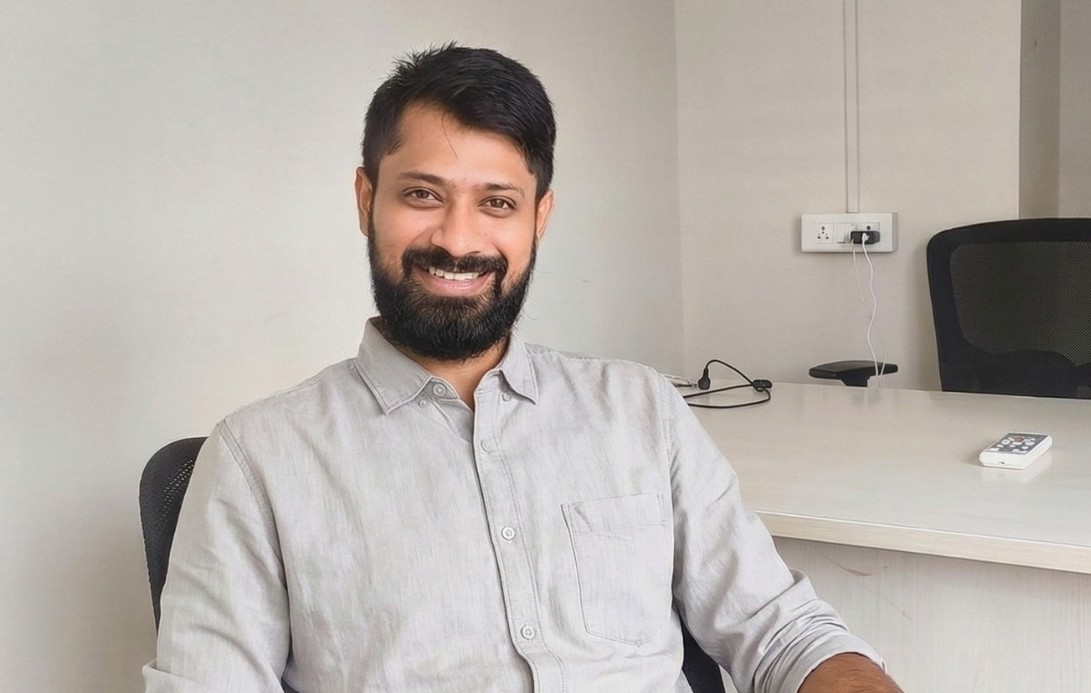
In India’s rapidly evolving clean mobility landscape, the conversation is no longer limited to emissions reduction—it is increasingly about access, inclusion, and livelihood creation. In this exclusive interaction with TheCSRUniverse, Mr. Vishal Vikram, Chief Marketing Officer, Bijliride, sheds light on how the company is redefining electric mobility by placing people—particularly gig workers and women—at the centre of its business model.
The discussion unpacks Bijliride’s core vision of making EV mobility accessible rather than aspirational, highlighting how its rental-based approach eliminates traditional barriers such as high upfront costs, maintenance challenges, and income uncertainty. Vishal Vikram explains how this model is enabling first-time earners to participate in the gig economy with greater confidence and stability, while also opening new pathways for women’s financial independence in urban India.
From leveraging technology for seamless user experience and income tracking to building strategic partnerships with logistics platforms and exploring policy support, the interview offers a comprehensive look at how Bijliride is contributing to a more resilient and inclusive gig economy. It also reflects on real-world impact stories, expansion strategies across key Indian cities, and the broader socio-economic value of EV-led livelihood models.
Full interview below:
Q. What was the core vision behind starting Bijliride, and how did you identify the gap in accessible EV mobility for gig workers and women?
A. The core vision behind Bijliride was to make clean mobility accessible, not aspirational. When we started, we observed that while EV adoption was growing, it was still largely limited to ownership models. This excluded a large segment of the population—especially gig workers and women—who needed flexible, low-risk access rather than ownership.
We identified a clear gap: people needed reliable, affordable vehicles to earn a living, but upfront costs, maintenance, and operational uncertainties made it difficult. Bijliride was built to remove those barriers and provide a dependable, ready-to-earn mobility solution.
Q. How do you see electric mobility—especially two-wheeler rentals—emerging as a catalyst for women’s financial independence in urban India?
A. Electric two-wheelers, when offered through a rental model, significantly lower the entry barrier for women to participate in the workforce, especially in gig and last-mile roles.
For many women, the challenge is not capability but access—access to capital, mobility, and flexible work options. With EV rentals, they can start earning without worrying about ownership, fuel costs, or maintenance. This creates a more inclusive pathway to financial independence, especially in urban environments where demand for delivery and services is high.
Q. Vehicle ownership costs and operational challenges often limit participation. How does Bijliride’s model lower these barriers, particularly for women and first-time earners?
A. Our model removes three major barriers: upfront investment, operational complexity, and income uncertainty.
Users don’t need to purchase a vehicle. They get access to a fully serviced EV with charging support, battery assistance, and 24/7 customer support. This allows first-time earners to focus purely on earning, without worrying about breakdowns, servicing, or unexpected expenses.
For women, especially those entering the workforce for the first time, this structured and supported model provides both confidence and stability.
Q. How does technology enable better transparency, income tracking, and operational ease for your users?
A. Technology is at the core of our operations. Our platform enables seamless onboarding, vehicle allocation, service tracking, and support.
Users can monitor their usage, manage rentals, and access assistance through a simple interface. For gig workers, integration with delivery platforms helps them track earnings and optimize their working hours.
The goal is to make the entire experience predictable and stress-free, so users can focus on productivity rather than logistics.
Q. Can you share specific examples or success stories of women who have leveraged Bijliride’s platform to build sustainable livelihoods?
A. We have seen encouraging participation from women who are using Bijliride vehicles for last-mile delivery and service-based roles.
One example is a user in Hyderabad who transitioned from part-time work to full-time gig delivery using our platform. With zero upfront investment, she was able to start earning immediately and gradually build a stable income stream.
Stories like these reinforce our belief that access to the right tools can unlock real economic opportunities.
Q. With nearly 90% of your demand coming from gig workers, how is Bijliride contributing to shaping a more inclusive and resilient gig economy?
A. By providing reliable and affordable mobility, we are enabling gig workers to operate more efficiently and consistently.
Our focus is on uptime and support—ensuring that vehicles are always available and functional. This directly impacts earnings, as downtime is one of the biggest challenges in the gig economy.
By reducing operational friction, we are helping create a more resilient ecosystem where workers can depend on their tools and plan their income better.
Q. Could you elaborate on your partnerships with logistics companies, delivery platforms, or government bodies, and how they are accelerating adoption?
A. We actively collaborate with logistics and delivery partners to provide scalable mobility solutions tailored to their workforce requirements.
These partnerships help us understand real operational challenges and design solutions that improve efficiency and reduce costs. They also accelerate adoption by creating structured demand for EV rentals within organized fleets.
We are also exploring opportunities to work with government and ecosystem stakeholders to support broader EV adoption initiatives.
Q. Beyond emissions reduction, how do you measure Bijliride’s broader socio-economic impact in cities—especially in terms of livelihood creation and urban inclusivity?
A. While emissions reduction is an important outcome, we focus equally on livelihood impact.
We track metrics such as number of active users, income stability, repeat usage, and retention. A key indicator for us is how many users continue to rely on Bijliride as their primary earning tool over time.
Our aim is to build not just a clean mobility platform, but a system that enables sustainable income generation and greater workforce participation.
Q. With operations across Hyderabad, Bengaluru, and Delhi—and plans for Mumbai and Chennai—what factors guide your city expansion strategy?
A. Our expansion strategy is driven by three factors: demand density, gig economy penetration, and infrastructure readiness.
We look for cities where there is strong demand for last-mile delivery and where EV adoption is supported by charging infrastructure and regulatory clarity.
We also prioritize cities where our hub-and-spoke (STAR) model can scale efficiently, ensuring consistent service quality.
Q. What kind of policy interventions or ecosystem support do you believe are necessary to accelerate EV-led livelihood models in India?
A. Policy support around EV financing, battery infrastructure, and incentives for commercial usage can significantly accelerate adoption.
Additionally, initiatives that support gig workers—such as skill development, insurance frameworks, and access to affordable mobility—will strengthen the overall ecosystem.
A collaborative approach between startups, policymakers, and industry players is essential to scale these models sustainably.
Q. Looking ahead, what is your long-term vision for Bijliride in shaping India’s clean mobility ecosystem, and how do you see it contributing to inclusive economic growth at scale?
A. Our long-term vision is to build a nationwide mobility infrastructure that is clean, accessible, and income-enabling.
We see Bijliride as more than a rental platform—we aim to become a full-stack mobility solution that supports both individuals and businesses. By combining technology, operations, and partnerships, we want to create a system where anyone can access a vehicle and start earning with minimal friction.
At scale, this has the potential to contribute significantly to both environmental sustainability and inclusive economic growth.





.png)