The Ocean Cleanup’s India Imperative: Scaling Technology, Data and Citywide Action to Close the Plastic Tap
Plastic pollution is no longer a distant environmental concern confined to remote oceans. It is a structural challenge tied to rapid urbanisation, consumption patterns, and waste systems that struggle to keep pace with growth. In a country like India, where expanding cities meet vast coastlines and complex river networks, the stakes are particularly high. The battle against ocean plastic is increasingly being fought upstream, in rivers, creeks, and dense metropolitan regions where leakage begins.
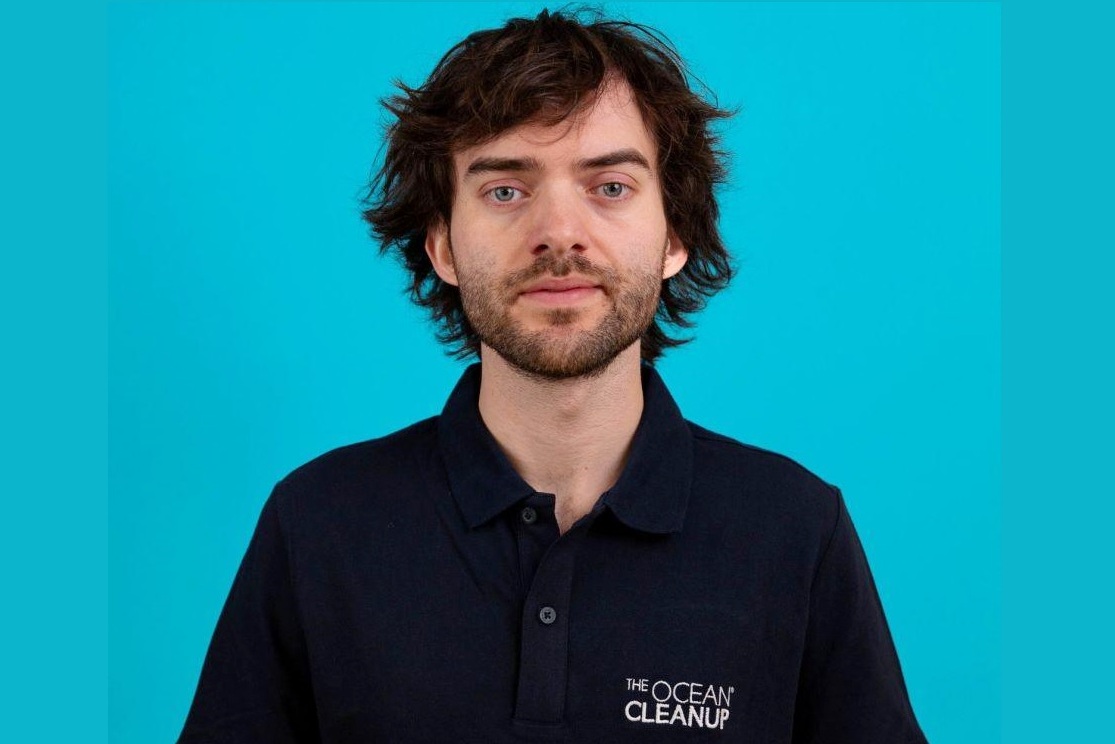
In this wide ranging conversation, Boyan Slat, Founder of The Ocean Cleanup, outlines how a data driven strategy is reshaping the global response to plastic pollution. Moving beyond symbolic cleanups, the organisation is targeting the small number of high impact rivers responsible for a disproportionate share of ocean plastic, while scaling city level interventions under its 30 Cities Program. With Mumbai identified as a priority hub, Slat discusses why megacities sit at the centre of the solution, how technology must adapt to ecological and community realities, and why prevention at source, rather than cleanup alone, will determine whether the world can meet its 2030 ambitions.
Scroll down to read the full interview:
Q. At a global level, how has the conversation around plastic pollution evolved since The Ocean Cleanup began in 2013, and what gaps still concern you most today despite growing awareness and policy attention?
A. Since The Ocean Cleanup began in 2013, the global conversation around plastic pollution has shifted dramatically. What was once perceived largely as a distant problem affecting oceans and marine life is now widely recognised as a systemic challenge linked to how societies produce, consume, and manage waste. Today, plastic pollution sits firmly on the global agenda, with stronger public awareness, increased media attention, and growing policy action across regions.
However, despite this progress, significant gaps remain. One of the most persistent concerns is the disconnect between awareness and action at scale. While downstream cleanup efforts have expanded, comparatively less emphasis has been placed on preventing plastic from entering waterways in the first place. Our research has highlighted that a relatively small number of rivers are responsible for the majority of plastic flowing into the ocean, yet interventions are still not sufficiently aligned with these high-impact sources. Another challenge is fragmentation. Solutions often exist in silos—policy, technology, waste management, and behaviour change are addressed separately rather than through integrated, data-driven strategies that can deliver measurable results. This fragmentation limits the effectiveness of even well-intentioned efforts.
The opportunity today lies in converting increased awareness into targeted, scalable action, particularly in urban catchments where interventions can deliver the greatest impact. By focusing on prevention at the source and grounding decisions in data, we can finally begin to match the scale of our response to the scale of the problem.
Q. The Ocean Cleanup is often described as a technology-driven nonprofit. How do you balance engineering ambition with on-ground ecological realities and community contexts across different geographies?
A. The Ocean Cleanup is deeply technology-driven, but technology is only one part of the solution. We balance engineering ambition with ecological and community realities by grounding every innovation in science, local context, and collaboration. Before deploying any system, we conduct extensive environmental impact assessments, pilot studies, and field testing to ensure our solutions work with natural ecosystems rather than against them.
Equally important is engaging with local communities, governments, and stakeholders across geographies. Waste flows, river dynamics, biodiversity, and socio-economic conditions vary widely, so our approach is never one-size-fits-all. We adapt our technologies and operational models to local conditions, while also investing in local partnerships that support waste management, create jobs, and build long-term ownership.
Ultimately, our ambition is not just to develop cutting-edge engineering solutions, but to deploy them responsibly, safely, and at scale, ensuring they deliver real environmental impact while respecting the ecological balance and human contexts of the regions we operate in.
Q. Your research shows that a relatively small number of rivers contribute disproportionately to ocean plastic pollution. How did this data shift your strategic focus from oceans to rivers, and what did it change in the way you design interventions?
A. Everything we do at The Ocean Cleanup is based on data. Removing legacy plastic from the ocean remains our primary mission, and to do that effectively we need to also stop the flow of plastics from entering it. Our science and technology team is actively developing strategies and upgrading our ocean system to be more efficient based on learnings and performance data collected over the first 23 expeditions to the Great Pacific Garbage Patch. In the meantime, our research has identified the most impactful rivers we can target to close the tap of plastic emissions into the ocean. This led to the creation of the 30 Cities Program, which will see the deployment of our proven Interceptor technology in 30 of the world's most polluting urban areas with the aim of stopping 1/3 of global plastic emissions flowing from rivers into the ocean. Much like our ocean operations, we continue to monitor the performance and efficiency of our Interceptor solutions, which has helped us finetune our technology and strategy to be able to tackle riverine plastic pollution in a wide range of settings.
Q. India now accounts for nearly 20 percent of global plastic waste. From your perspective, what makes the Indian plastic pollution challenge distinct compared to other high-contributing regions?
A. While India accounts for around 20-21% of global mismanaged plastic waste, it is important to distinguish this from plastic emissions into the ocean. Based on available estimates, India contributes closer to 13% of plastic entering the ocean, and that is the figure we focus on when assessing environmental impact.
What stands out in the Indian context is not a single, unique factor, but a combination of structural conditions. India has a 7,500-kilometre coastline, with several densely populated coastal megacities where rivers, creeks, and stormwater systems connect directly to the ocean. Rapid population growth, urbanisation, and the expansion of a middle class have increased plastic consumption at a pace that waste management infrastructure often struggles to match. These dynamics create high leakage risks, particularly during heavy rainfall and monsoon events, when large volumes of plastic can be mobilised into waterways. However, these challenges are not unique to India and have been observed in Indonesia and The Philippines too.
Q. Mumbai has been identified as a priority city under the Global 30 Cities Program. What specific data points or indicators made Mumbai’s river systems, particularly Trombay and Malad, stand out in your analysis?
A. Mumbai was identified as a priority city under the 30 Cities Program because of both the scale of plastic emissions and the opportunity for high-impact, citywide intervention. Through this program, The Ocean Cleanup is moving beyond single river deployments to comprehensive city-level solutions, with the ambition to help close the tap of plastic emissions from the entire Mumbai Metropolitan Region.
Between May 2024 and May 2025, we conducted rigorous, data-led research in collaboration with The Energy and Resources Institute (TERI) to map plastic emissions across 50 waterways in the Mumbai Metropolitan Region. This research showed that Mumbai releases an estimated 5 million kilograms of plastic every year into the Arabian Sea and the Indian Ocean, directly impacting 220 kilometres of coastline, 150 square metres of mangroves, 107 protected species, and around 1.9 million livelihoodslinked to coastal and marine ecosystems.
Our analysis focused on where plastic concentrations are highest, how plastic is mobilised during major rainfall events, and how tidal dynamics influence plastic movement. We also examined broader environmental and social factors, including impacts on mangroves and fisheries, existing waste management systems, and interactions with riverside informal communities. Based on these findings, and in close collaboration with the Municipal Corporation of Greater Mumbai, we identified Trombay Creek and Malad Creek as priority sites for impactful intervention. Mumbai’s inclusion represents a major scaling step in The Ocean Cleanup’s journey to eliminate 90 percent of floating ocean plastic pollution.
Q. The Interceptor technology is being introduced in Mumbai’s rivers. Beyond waste collection volumes, what success metrics will you use to evaluate its impact on ecosystems, public health, and local livelihoods?
A. Beyond the volume of waste collected, our evaluation of Interceptor deployments is guided by a broader set of impact metrics that reflect environmental, social, and community outcomes. From an ecological perspective, a key indicator of success is the reduction in floating plastic flux entering coastal and marine ecosystems compared to the established baseline. This includes measurable decreases in plastic accumulation along beaches, mangroves, shorelines, and nearshore waters, helping to protect sensitive habitats and marine biodiversity.
Social and economic outcomes are equally important. Through partnerships with local community groups, businesses, and organisations, Interceptor operations can support job creation and income opportunities across cleanup activities, waste handling, and recycling processes. One of the core metrics we track here is the number of local jobs created and sustained through these initiatives.
The third pillar of impact is education and community engagement. We collaborate with local partners to engage youth, schools, and riverside communities, building awareness around waste management and encouraging long-term behavioural change. Success is measured through indicators such as the number of community members reached and the number of students participating in educational and awareness activities.
Together, these metrics allow us to assess not just how much plastic is removed, but how effectively our interventions contribute to healthier ecosystems, stronger communities, and more resilient local livelihoods.
Q. You have stated that The Ocean Cleanup is currently preventing an estimated 2 to 5 percent of plastic inflow from rivers into the ocean. How critical is city-level intervention in scaling this figure, and what role do megacities like Mumbai play in achieving your 2030 targets?
A. Today, The Ocean Cleanup is preventing an estimated 2 to 5 percent of plastic inflow from rivers into the ocean, which is an important start, but it also underscores why scaling impact requires a fundamental shift in approach. City-level intervention is critical because plastic leakage is not evenly distributed across landscapes; it is concentrated in urban regions where population density, consumption, and complex waterways intersect.
This is precisely why the 30 Cities Program represents a pivotal evolution in our strategy. Rather than focusing on individual rivers in isolation, we are moving toward citywide solutions that address the main plastic-emitting waterways within entire urban regions. The ambition is simple but transformative: to help close the tap of plastic emissions at the source, before waste reaches the ocean. Megacities like Mumbai play an outsized role in achieving our 2030 targets. With its dense population, extensive river and creek networks, and strong land–sea connectivity, Mumbai represents the kind of urban system where targeted intervention can deliver global impact. Insights gained here can inform and accelerate similar citywide interventions across India, reinforcing the country’s central role in solving ocean plastic pollution at a global scale.
Q. Plastic pollution poses direct and indirect health risks, especially in dense urban environments. In cities like Mumbai, what human health concerns linked to river plastic pollution worry you the most?
A. One key issue is that plastic waste can block rivers and drainage systems, leading to stagnant water pools. These conditions are widely recognised as ideal breeding grounds for mosquitoes and can increase the risk of vector-borne and waterborne diseases, especially during monsoon seasons. By helping keep rivers and drainage channels clearer, our work is intended to contribute to reducing this risk, even if we do not measure health outcomes directly.
Another significant concern is the formation of microplastics. Scientific studies show that larger plastic items fragment into microplastics over time due to physical, chemical, and biological weathering—such as exposure to sunlight, waves, currents, and seawater. By intercepting and removing macro-plastic and solid waste before it reaches marine environments, we help prevent this fragmentation process, reducing the likelihood of microplastics entering ecosystems and potentially the food chain.
Q. Looking ahead, what would success in India look like for The Ocean Cleanup, not just in terms of numbers collected, but in how Indian cities rethink waste management, accountability, and prevention at the source?
A. Success for us is not just about stopping waste from reaching the ocean; it is about creating long-term, systemic impact. In every location where we operate, we work closely with local partners to ensure that our Interceptors act as a catalyst for long-term change. Beyond intercepting ocean-bound pollution, they serve as awareness-raising tools, help strengthen and improve local waste management infrastructure, and support capacity building to enhance the resilience of local communities. At the same time, these efforts contribute to the recovery and protection of local ecosystems, ensuring that impact extends well beyond cleanup alone.


.png)