SOCOMEC and IFCCI Launch Project Edu-Sustain to Advance Education, Clean Energy and Zero Plastic Initiatives
.jpg)
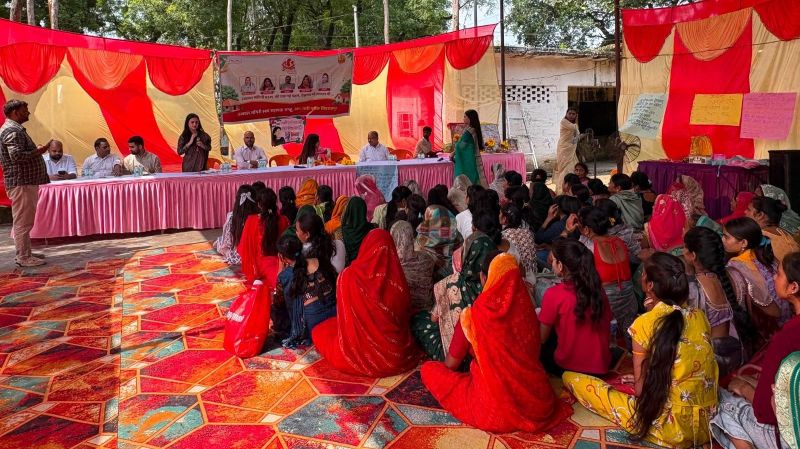
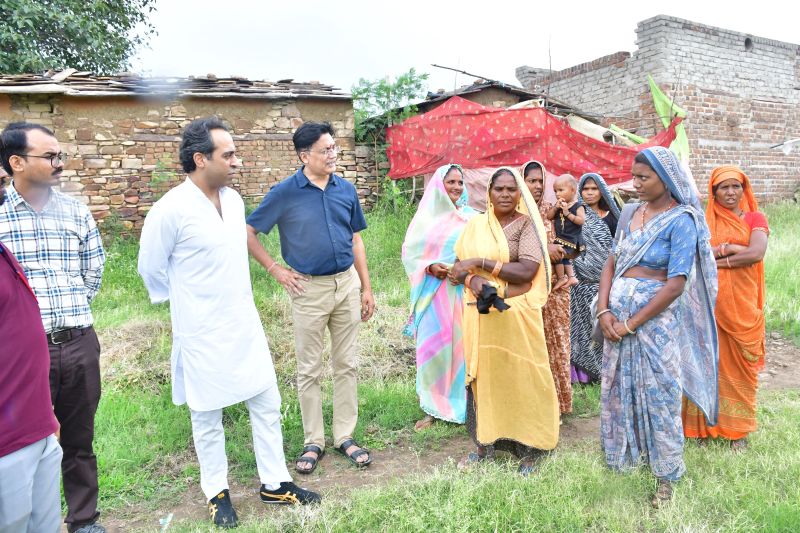
New Delhi, December 15, 2025: SOCOMEC Group, in collaboration with the Indo-French Chamber of Commerce & Industry (IFCCI), has launched Project Edu-Sustain – Education, Environment & Sustainability Initiative, a multi-pronged CSR programme aimed at driving sustainable community development across Mumbai, Chennai and Delhi-NCR.
The initiative focuses on three core areas—education for underserved communities, clean and green energy adoption, and zero plastic waste management—while also encouraging awareness and employee engagement. Project Edu-Sustain seeks to integrate social inclusion with environmental responsibility to create long-term, scalable impact.
Under the clean and green energy component, solar panel systems will be installed in seven government schools across Chennai and Delhi-NCR. These systems are expected to generate between 35,000 and 50,000 kWh of renewable energy annually, helping reduce carbon emissions and support energy-efficient learning environments.
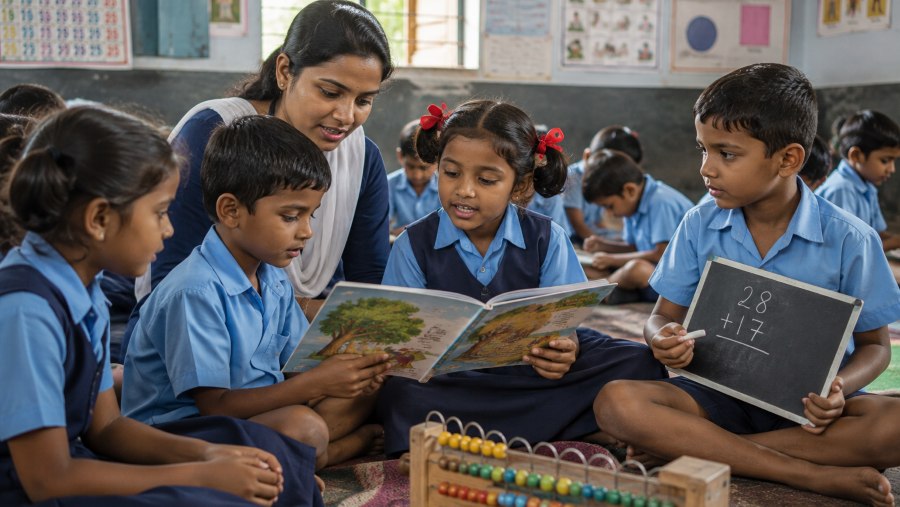
The education pillar includes the establishment and operation of two educational centres that will support over 80 primary-level children from high-risk and underserved communities. These centres will provide after-school academic support, mentoring and creative learning spaces aimed at improving learning outcomes and reducing school dropouts.
As part of its zero plastic waste management efforts, the initiative involves the adoption of two Mumbai beaches—Prabhadevi and Dadar—under a comprehensive zero plastic model. The programme targets the collection and recycling of more than 15,000 kg of marine plastic waste annually, with the collected plastic being upcycled into useful products, generating livelihood opportunities for local waste pickers.
Project Edu-Sustain also emphasises awareness-building and employee engagement through volunteering, community outreach and sustainability education programmes, encouraging environmental consciousness among students, employees and local communities.
Aligned with several United Nations Sustainable Development Goals, including SDGs on quality education, clean energy, responsible consumption, climate action and partnerships, the initiative reflects SOCOMEC’s broader commitment to sustainability and inclusive growth.
Mr. Meenu Singhal, Regional Managing Director, SOCOMEC Greater India, said, “At Socomec, sustainability is a core part of our business strategy and culture. We are committed to advancing carbon footprint transparency, upholding ISO 9001 and ISO 14001 certifications, and advancing eco-design practices. Through Project Edu-Sustain, in collaboration with IFCCI, we bring this vision to life by integrating clean energy solutions, enabling education for underserved communities, and championing zero-plastic initiatives. These efforts are creating resilient ecosystems that empower people and protect the planet, ensuring that progress and responsibility can go hand in hand.”
Ms. Nida Khanam, Head of Human Resources, SOCOMEC Greater India, said, “Socomec’s commitment to social and environmental sustainability extends both inside and outside the organization, fostering an inclusive and safe workplace, empowering communities through sustainable actions. Over the past few years, we have successfully collaborated with IFCCI on strategic CSR projects. We are taking this partnership forward through Project Edu-Sustain, operating two education centers for children of female sex workers, installing solar panels in seven government schools across Chennai and Delhi NCR to promote renewable energy, and adopting two beaches in Mumbai under the Zero Plastic Model to drive environmental awareness and community participation.”
Ms. Payal S. Kanwar, Director General, IFCCI, added, “We are proud to partner with SOCOMEC Group in driving projects that deliver measurable and lasting impact on both people and the planet. Through initiatives such as solarizing government schools, empowering children from underserved communities, and reviving beaches through zero-plastic interventions, we are collectively building ecosystems of change. These efforts represent a true convergence of innovation, inclusion, and sustainability.”
Through Project Edu-Sustain, SOCOMEC and IFCCI aim to strengthen the link between sustainability, social equity and community participation, contributing to a cleaner, more inclusive and resilient future.