
KWF Conclave 2026 Calls for Early CKD Detection and Improved Transplant Access
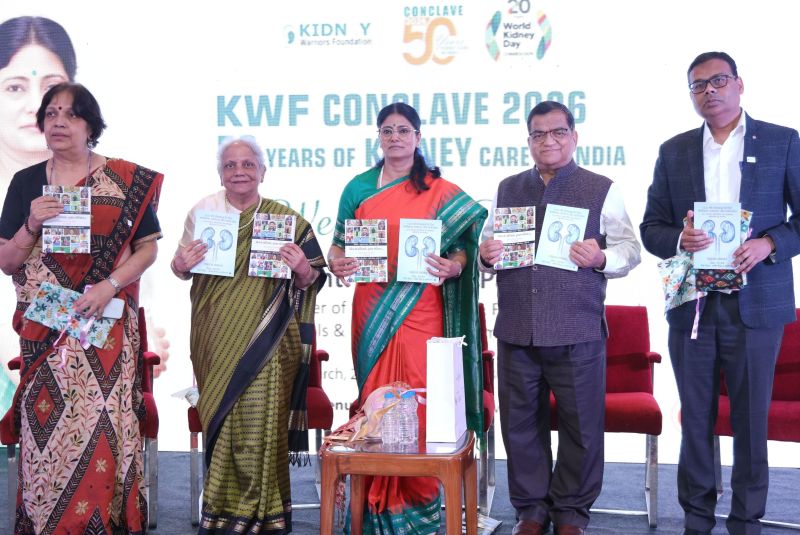
New Delhi, March 03, 2026: The Kidney Warriors Foundation (KWF) concluded its maiden KWF Conclave 2026 in New Delhi, marking 50 years of nephrology in India and calling for stronger early detection systems and improved access to dialysis and transplantation for patients with Chronic Kidney Disease (CKD).
Held ahead of World Kidney Day (March 12), the conclave brought together nephrologists, policymakers, hospital leaders, healthcare innovators and patient advocates to address the rising burden of CKD. According to the World Health Organization (WHO), CKD is projected to become the fifth leading cause of life years lost globally by 2040.
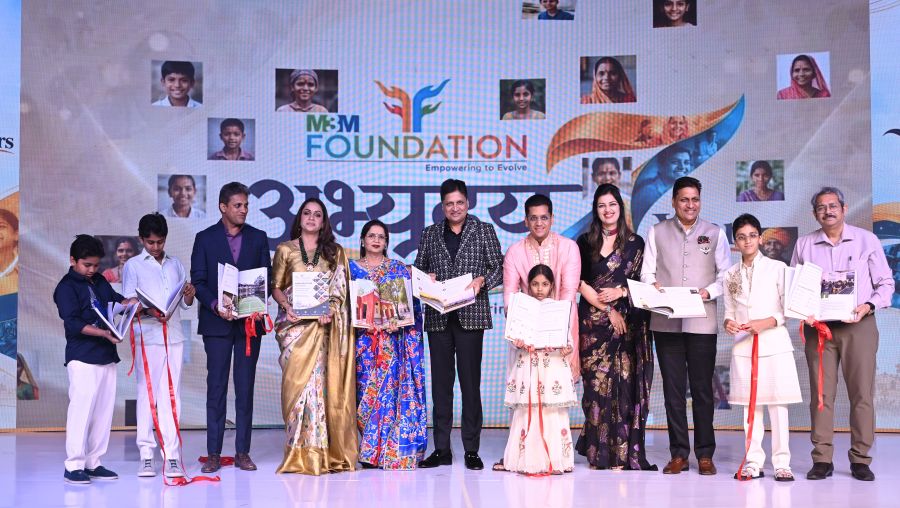
The event was attended by Smt. Anupriya Patel, Hon’ble Minister of State for Health & Family Welfare and Chemicals & Fertilizers, Government of India, who highlighted the growing public health challenge posed by CKD and the progress of the Pradhan Mantri National Dialysis Programme (PMNDP), which provides free dialysis services at district hospitals. She also launched the Hindi translations of “The Kidney Warrior – Edition 2” and “CKD Prevention Program Advocacy and Guidance” authored by Mrs. Vasundhara Raghavan.
In her keynote address, Smt. Anupriya Patel said, “Chronic kidney diseases are becoming like a silent pandemic and India has identified CKD as one of the biggest causes of mortalities. Kidney health is a very serious issue which demands attention and deserves to be a health priority in our country. We want to promote healthier lifestyles, screening, and early diagnosis, and the last step is promoting ensuring equitable access to dialysis services as well as transplant care.”
Vasundhara Raghavan, Founder, Kidney Warriors Foundation, said, "CKD can no longer be viewed only as a complication of diabetes or hypertension and managed under generic NCD guidelines. In 2026, CKD is far more complex — driven by genetic disorders, emerging glomerular diseases, childhood anomalies, and environmental factors. Through discussions on early detection, transplant access, innovation, and patient-centred care, we have reinforced the urgent need for dedicated national CKD guidelines that prioritise prevention, equitable access, and holistic support — not just dialysis and transplant care. This conclave was a clear call to action, uniting the government, nephrologists, patients, and industry to drive a stronger, coordinated national response to CKD in India.”
Experts at the conclave emphasised early detection, policy integration and innovation in kidney care. Dr. Vivekanand Jha said, "I would suggest that we move away from using the word screening to early detection. It is important that we as physicians and other members involved in the healthcare community first recognize and identify who are the people who are at increased risk of developing kidney disease."
Dr. Sanjeev Gulati noted, "AI will not replace kidney doctors but yes kidney doctors with AI will replace kidney doctors who are not using AI." Dr. Kristin George added, "Transplant we all know is the best treatment for end-stage kidney disease but unfortunately transplant is not a miracle cure."
Patient advocates also highlighted financial and emotional challenges. Shantanu Saha said, “With dialysis costing around ₹60,000 per month in most hospitals, this incurable disease places an unbearable financial burden on families. The government must ensure financial support for all dialysis patients, regardless of where they receive treatment, so that life-saving care remains accessible.”
The conclave concluded with a call for routine screening, organ donation awareness, mental health support and a coordinated national approach to addressing CKD.