Access Life: Building the Social Infrastructure Around Paediatric Cancer Care in India
Childhood cancer in India is no longer only a medical conversation. It is a social one. While the country continues to strengthen its healthcare systems and expand access to specialised oncology treatment, families navigating long treatment journeys often face invisible barriers that medicine alone cannot solve. Accommodation, nutrition, emotional stability, education, and dignity become as critical as chemotherapy itself.
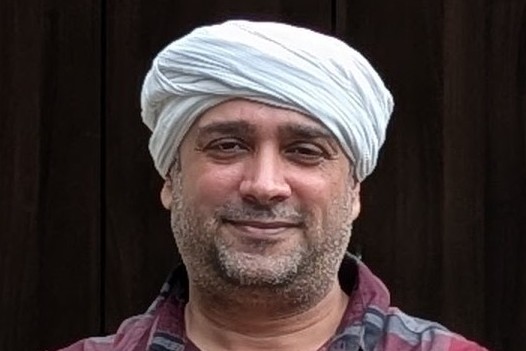
In this interview, Ankeet Dave, Founder and Director at Access Life, reflects on how the organisation positions itself within this broader ecosystem. He explains why meaningful CSR in paediatric oncology must extend beyond funding and address the lived realities of families. From building integrated support centres across nine cities to embedding governance, compliance, and long term corporate partnerships into its growth model, the conversation underscores a central belief that healing is holistic. With over 9,900 beneficiaries supported in 11.5 years and 204 families currently under its care, Access Life presents a case for CSR that strengthens the bridge between clinical excellence and social compassion, shaping a more resilient paediatric cancer care framework for India.
Scroll down to read the full interview:
Q. In today’s CSR landscape, where impact is increasingly scrutinised, how does Access Life define meaningful social responsibility in the context of paediatric cancer care beyond funding alone?
A. At Access Life, we believe meaningful social responsibility begins with recognising that cancer treatment is not only about medicine — it is about the life that surrounds that treatment. Access Life does not fund medicines or medical procedures. Instead, Access Life focuses on removing the non-medical barriers that quietly push families toward stress, financial strain, or treatment abandonment. Through Access Life centres, families receive safe accommodation near hospitals, nutritious meals, transport assistance, education support, counselling, and a nurturing environment — a true “home away from home.” When daily survival worries are reduced, families can focus on what matters most: healing. Doctors treat the illness — but as a society, we must support the journey. Access Life exists in that space between treatment and life.
Q. What role do you believe not-for-profits like Access Life play in complementing India’s public healthcare system, especially when it comes to addressing the non-medical but critical gaps in long-term treatment journeys?
A. India is moving forward with remarkable progress in healthcare, supported by extraordinary medical talent and a growing commitment toward better infrastructure. Access Life deeply respects the work of doctors, nurses, hospitals, and fellow NGOs who are strengthening paediatric cancer care every day. While hospitals focus on clinical excellence, Access Life focuses on the family’s lived reality — providing stability, emotional reassurance, and continuity of daily life. Childhood cancer impacts entire families, not just the child. When medical care is supported by social care, treatment becomes more sustainable — and Access Life’s role is to strengthen that bridge.
Q. Access Life’s model goes beyond shelter to include nutrition, counselling, transport, and education. From a CSR perspective, why is this integrated, wrap-around approach essential for improving treatment adherence and outcomes?
A. At Access Life, we have learned that healing is holistic. Medicine alone cannot carry a child through months or years of treatment — emotional stability, nutrition, routine, and reassurance play equally important roles. Families arriving at Access Life often leave behind homes, livelihoods, and support systems. Integrated support restores a sense of normalcy. Parents receive guidance, children continue learning and playing, and families begin to breathe again. When families feel supported as human beings rather than just patients, treatment adherence becomes a natural outcome.
Q. As CSR partners look for programmes that balance empathy with scalability, how has Access Life designed its centres to retain dignity and personal care while expanding across multiple cities?
A. The growth of Access Life has always been guided by people and purpose rather than infrastructure alone. Access Life chooses to work alongside hospitals where doctors, nurses, and healthcare teams demonstrate deep commitment to treating children with compassion, kindness, and dedication — even in places where resources may still be evolving. Across India, we see extraordinary medical talent and strong intent to create impact. Some cities may still be building infrastructure, but there is never a lack of willpower among healthcare professionals. Access Life believes that when such dedication exists, support systems must stand alongside. Access Life is willing to go the extra mile because reducing the need for families to travel far gives them confidence to continue treatment where good care already exists. Each Access Life centre is designed as a space of dignity, warmth, and belonging — ensuring scalability never replaces humanity.
Q. Operating across 12 centres nationwide, 9 cities what operational or governance principles have been most important in ensuring consistency, compliance, and accountability as the organisation has grown?
A. As Access Life has grown, clear SOPs, transparent reporting, and strong governance have helped maintain consistency and accountability. But beyond systems, people remain the heart of Access Life. We feel deeply grateful to have a committed team that carries this mission forward with compassion and dedication. Their work, combined with continuous feedback from families staying at Access Life, ensures that growth never distances us from empathy. Processes create structure — but it is people who create trust and impact.
Q. Could you share how corporate partnerships have evolved over the years from financial support to deeper, more strategic collaborations, and what makes a CSR partnership truly impactful for Access Life?
A. For Access Life, CSR partnerships have evolved into relationships built on shared purpose. Many partners now engage through volunteering, mentorship, and strategic guidance, becoming true collaborators. Access Life has been fortunate to work with corporates and individuals who contribute not only resources but also belief and encouragement. Volunteers bring energy and humanity into our centres and remind families that they are not alone. Supporting a child through cancer takes a village — and Access Life is simply one part of that larger collective effort.
Q. At any given time, Access Life supports around 204 families and over 612 beneficiaries. What do these numbers reveal about the scale of need, and how do they influence your long-term expansion or replication strategy?
A. Currently, Access Life supports 204 families across India, and over the past 11.5 years, Access Life has reached more than 9,900 beneficiaries. These numbers reflect both the growing need and the responsibility to expand thoughtfully. While SOPs ensure consistency, Access Life remains deeply focused on preserving warmth and dignity. For Access Life, growth is meaningful only when every new centre feels like a trusted home for families navigating uncertainty.
Q. Families often travel from remote regions to urban cancer hospitals. What have been your key learnings about the social and emotional challenges these families face, and how do your centres help reduce treatment drop-outs?
A. Families often leave behind jobs, extended families, and familiar environments to pursue treatment. The emotional and social burden can be immense. Counselling teams at Access Life work closely with families and hospitals to provide continuous support and early intervention. Beyond shelter, Access Life creates a community where families feel seen and supported. When hope is strengthened through community, resilience grows — and treatment abandonment reduces significantly.
Q. With full compliance under 80G, 12A, CSR-1, and FCRA, how does regulatory readiness strengthen donor confidence, especially for corporates seeking transparency and long-term CSR engagement?
A. Compliance and transparency form the foundation of trust at Access Life. Maintaining certifications, ensuring clear reporting, and upholding ethical governance practices help Access Life build long-term confidence with donors and CSR partners. Trust is built slowly through consistency — and regulatory readiness ensures Access Life remains accountable to every supporter who believes in this mission.
Q. As India observes International Childhood Cancer Day, how do you envision Access Life’s role evolving in India’s paediatric oncology ecosystem, and where do you see the greatest opportunity for CSR to drive systemic change?
A. India is a country rooted in compassion, and alongside growing healthcare infrastructure, we see extraordinary medical talent working tirelessly to improve outcomes. Yet awareness about childhood cancer and the challenges families face beyond treatment remains limited. Access Life envisions strengthening the support ecosystem around hospitals by walking alongside doctors, healthcare institutions, fellow NGOs, CSR partners, volunteers, and communities. Real systemic change happens when medical excellence is supported by social compassion — and CSR has the opportunity to help build that bridge across India.



.png)