Reimagining CSR Through Sport: A Catalyst for a Viksit Bharat
For decades, sport in India has been largely seen as a recreational activity rather than a core part of national development. But as India advances toward the vision of a Viksit Bharat, a more inspiring possibility is becoming clear. Sport is steadily being recognized as a meaningful contributor to education, health, community well-being, gender inclusion and national identity - far beyond competitive arenas and medal counts.
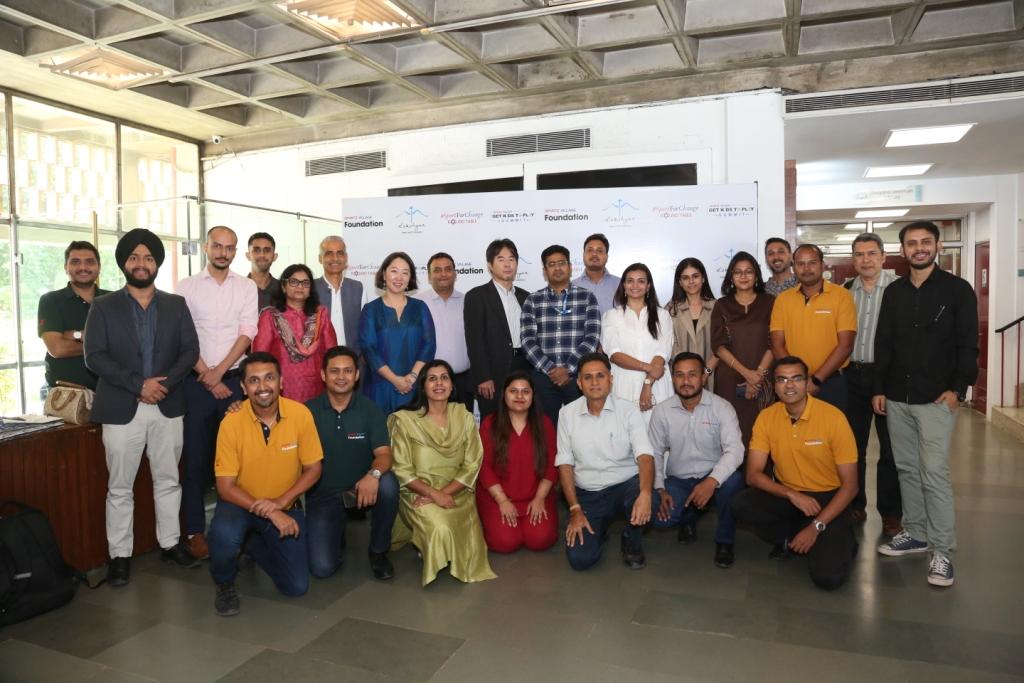
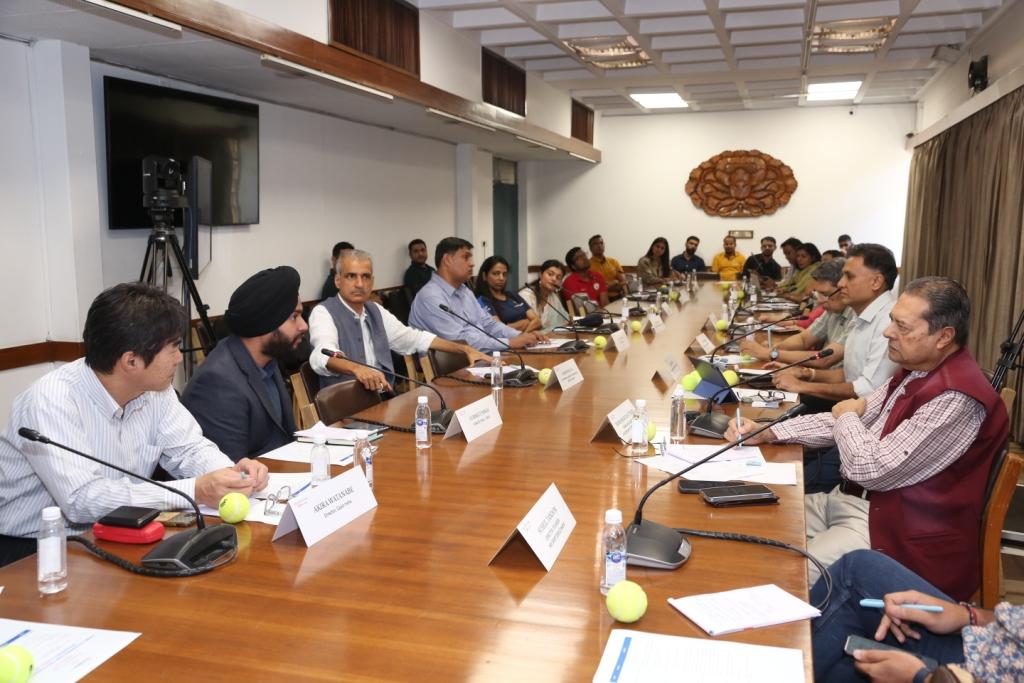
This broader imagination of sport formed the heart of the #SportForChange Round Table - Delhi Edition, jointly convened by Sportz Village Foundation and Lakshyaa. The convening brought together senior policymakers, corporate CSR leaders and sports ecosystem experts to deliberate on one central idea: how corporate social responsibility (CSR) can unlock the transformative potential of sports for national development?
Why Now: The Context and the Opportunity
India today spends over ₹35,000 crores annually in CSR, yet only 1.5–2% of this allocation reaches sports initiatives. This discrepancy isn’t merely about funding - it reflects a conceptual limitation in how sport is understood in policy and corporate strategy.
Historically, Schedule VII of the Companies Act has positioned sports under training and development of “rural sports”, Paralympic and Olympic sports. But in practice, this restricts sports investment to narrow sub-domains, excluding broader participation, fitness, grassroots engagement and inclusion.
At the Round Table, participants agreed that India must redefine how sports is visualized in CSR - not as a niche sector, but as both a vertical category and a horizontal enabler across education, health and youth empowerment
This shift is not only strategic; it is urgent.
Broadening the Policy Lens
A major recommendation emerging from the discussion was the need to expand the interpretation of Schedule VII to include “sports for all, physical activity and physical literacy.”By doing this, sports funding would no longer be limited to high-performance programs but extend into:
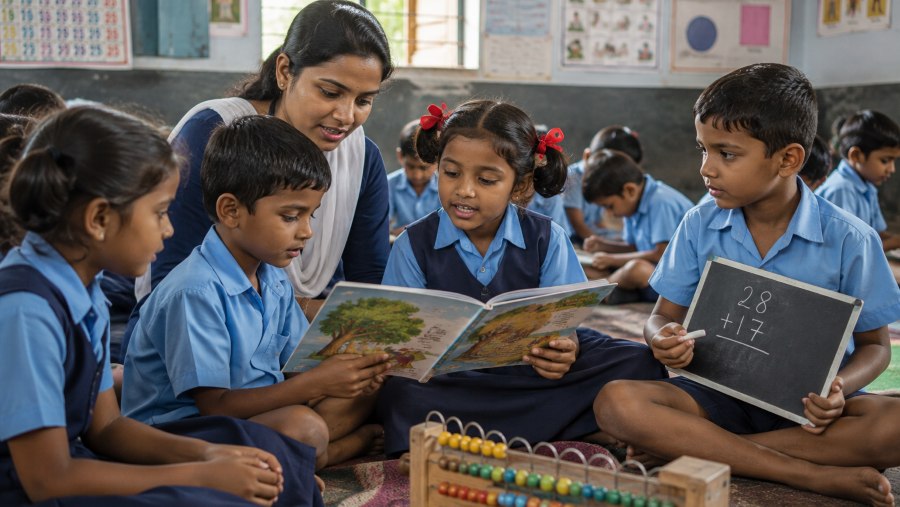
- physical education in schools
- community play spaces
- early age fitness initiatives
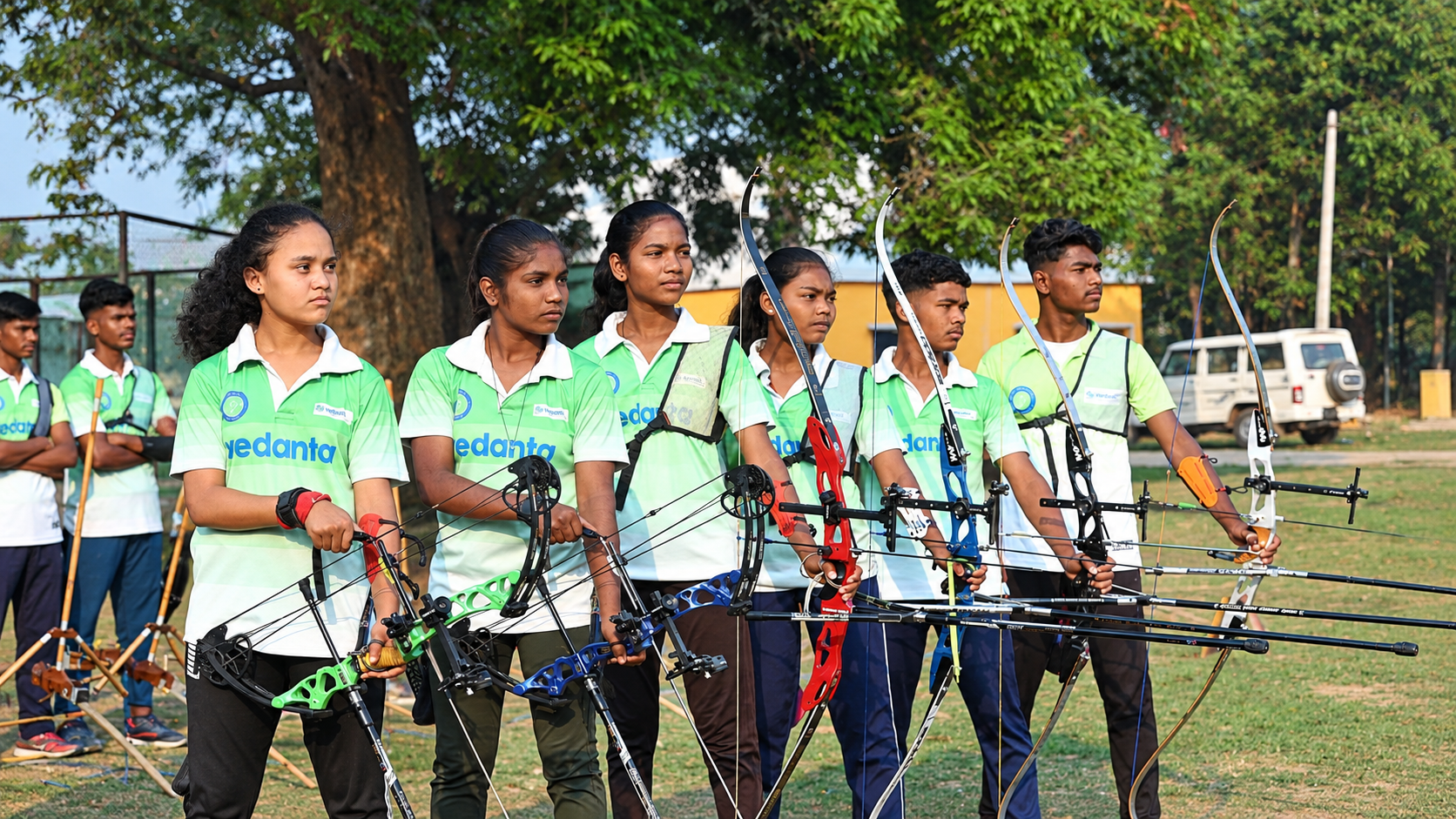
- grassroots competitions
- health and well-being outcomes
This reimagining of policy opens up pathways for many more children and young people to access play, fitness and organized sport - encouraging participation at every level, not only for those pursuing competitive or elite pathways.
Insights From the Ecosystem: What Leaders Are Saying
 Government perspective
Dr. Bhaskar Chatterjee reminded participants of the moral purpose of CSR itself - to “serve those in need, not those already served,” urging corporates to adopt a menu-based approach spanning infrastructure, research, coaching and sports psychology.
Similarly, the Sports Authority of India emphasized the role of sport in character-building, inclusion and national identity, beyond the spotlight of podium finishes
Corporate funders
Organizations such as HCL Foundation and Casio illustrated diverse CSR models - from investing in urban slums to dedicating majority CSR funds to sports even as non-sports companies.
Across corporate voices, three needs stood out:
- transparency
- measurable outcomes
- sustainability
The call for Social Return on Investment (SROI) and standardized frameworks indicates that corporates are ready to invest - but need reliable proof of impact.
On-ground implementers
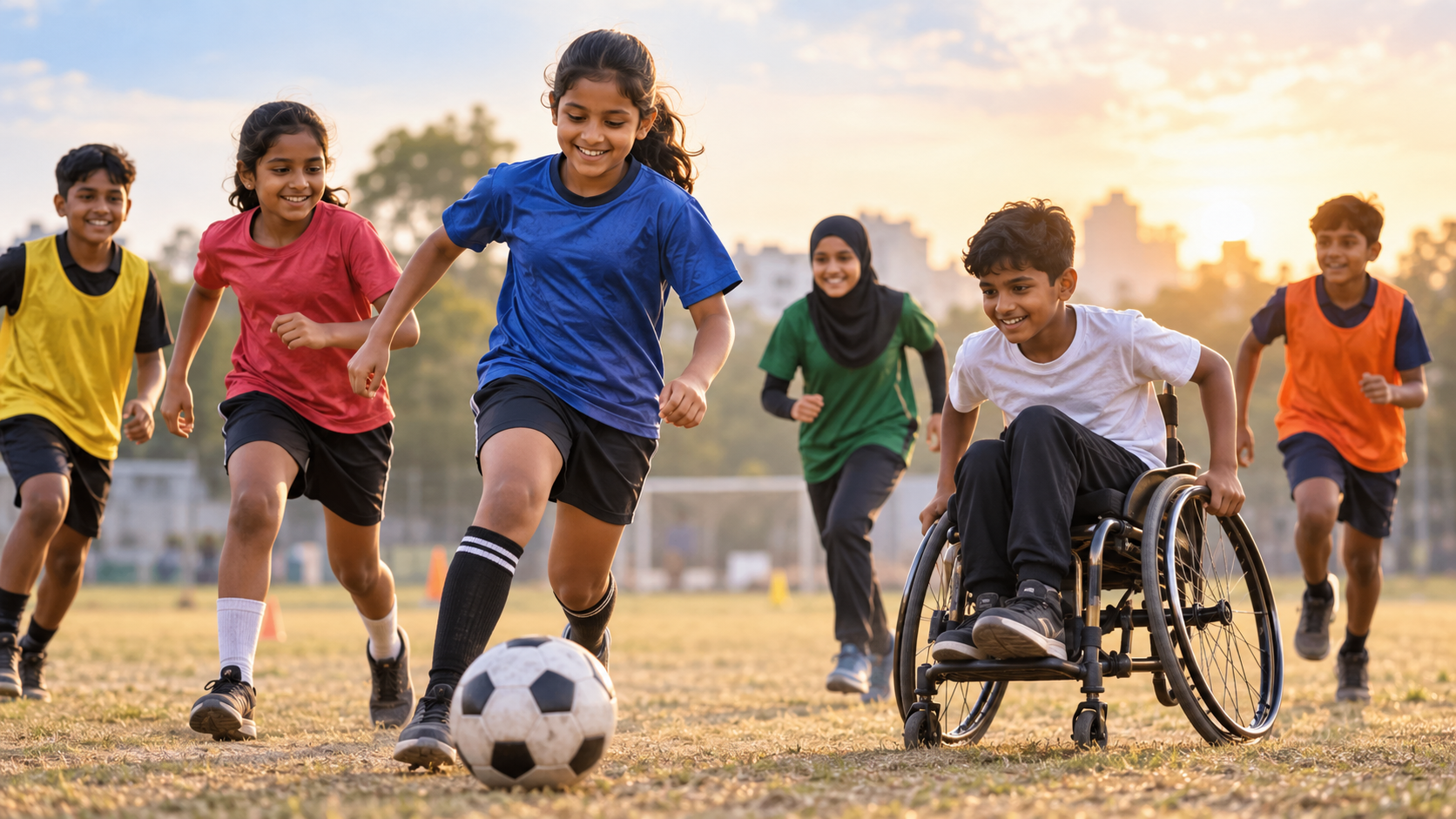
Organizations in the sports-for-development sector highlighted the importance of gender inclusion, community participation and creating psychologically safe environments - especially for girls - so that sport becomes a space where every child feels confident and supported.
They emphasized ecosystem collaboration - among corporates, local government and sports bodies - to ensure infrastructure and programs survive well beyond CSR funding cycles.
The Real Issues: Participation, Not Pedestals
Several challenges emerged from expert discussions:
- high dropout rates among teens
- absence of early-age sports competitions
- limited infrastructure in school design
- lack of research on Indian fitness indicators
The group called for a National Fitness Index for Children - a benchmarking tool to evaluate not just performance but health and participation outcomes across regions.
This is a crucial mindset shift: from celebrating excellence to enabling participation.
A New CSR Model: Vertical Meets Horizontal
One of the most powerful frameworks discussed was the hybrid “Mix and Match” model - a blended approach that encourages corporates to invest both vertically (infrastructure, training) and horizontally (education-linked sports, health programs, inclusion initiatives)
This dual approach ensures:
- scalable impact
- community ownership
- infrastructure utilization
- long-term sustainability
Unlike traditional one-time grants, hybrid models embed sports into community ecosystems - enabling local management, “pay-to-play” models, and community stewardship.
Measuring What Matters
The future of CSR investment in sports will rely on credible measurement.
Participants proposed tracking:
- fitness levels
- attendance
- life skills
- confidence
- inclusion
- community engagement
Only when sport demonstrates measurable impact will it earn a meaningful position within CSR strategies - and budgets.
Beyond Medals: Culture, Identity and Social Change
Perhaps the most transformative idea discussed was the reframing of sports from medal-chasing to mass participation.
Sports must be viewed as:
- a life skill
- a social equalizer
- a gender empowerment tool
- a community bonding platform
- a well-being enabler
From mothers participating in community sports to schools integrating physical literacy, sports can shape healthier citizens and inclusive communities
The Road Ahead
The Round Table will now feed into a Policy Recommendation Document to be shared with the Ministry of Corporate Affairs, Ministry of Youth Affairs and Sports and corporate forums
This document will advocate for:
- expanded Schedule VII language
- measurable impact frameworks
- sustainable funding models
- cross-sector partnerships
If adopted, this could catalyze a long-term shift in how corporates view sports - not as an add-on, but as a contributor to India’s national vision.
Conclusion: Toward a Sporting Nation
The Delhi edition of the #SportForChange Round Table marks more than a discussion - it signals the beginning of a collective national journey.
As India advances toward Viksit Bharat, sport can be both a mirror and mechanism of progress - building resilience, strengthening communities and shaping future citizens.
In the words captured at the Round Table:
“When we invest in sports, we don’t just create athletes; we build character, confidence and community.”
That, truly, is the spirit of CSR.