From Mono-Cropping to Multi-Tier Prosperity: How HRDP is Transforming Women-Led Farming in Sehore
In the agrarian villages of Sehore district, Madhya Pradesh, small and marginal farmers have long grappled with low productivity, climate uncertainty, and limited livelihood options. Women, despite being central to farm labour, often remained invisible in decision-making and income generation. The Holistic Rural Development Programme (HRDP), supported by HDFC Bank Parivartan and implemented by Arpan Seva Sansthan, is reshaping this reality through sustainable agriculture and women-centric livelihood models.
This success story highlights the journey of Sangeeta Bai, a small farmer from Semli Khurd village, whose transition from mono-cropping to diversified, multi-tier farming significantly enhanced her income, resilience, and self-reliance. Her experience illustrates how targeted interventions—combining crop diversification, technical training, and continuous handholding—can unlock the economic potential of rural women and build climate-resilient farming systems at the grassroots.
In the villages of Sehore district, Madhya Pradesh, farming has been the main source of livelihood for generations. For years, small and marginal farmers depended on mono-cropping of wheat and soybean, struggling with low yields, erratic rainfall, and unstable incomes. Women farmers, in particular, remained confined to unpaid farm labour, with limited decision-making power or financial independence.
The Holistic Rural Development Programme (HRDP), supported by HDFC Bank Parivartan and implemented by Arpan Seva Sansthan, set out to change this reality. Running from January 2022 to December 2024 across 20 villages of Sehore and Nasrullah Ganj tehsils, the programme focused on sustainable agriculture, crop diversification, and women-led livelihood enhancement.
Strengthening Livelihoods Through Diversification: Sangeeta Bai
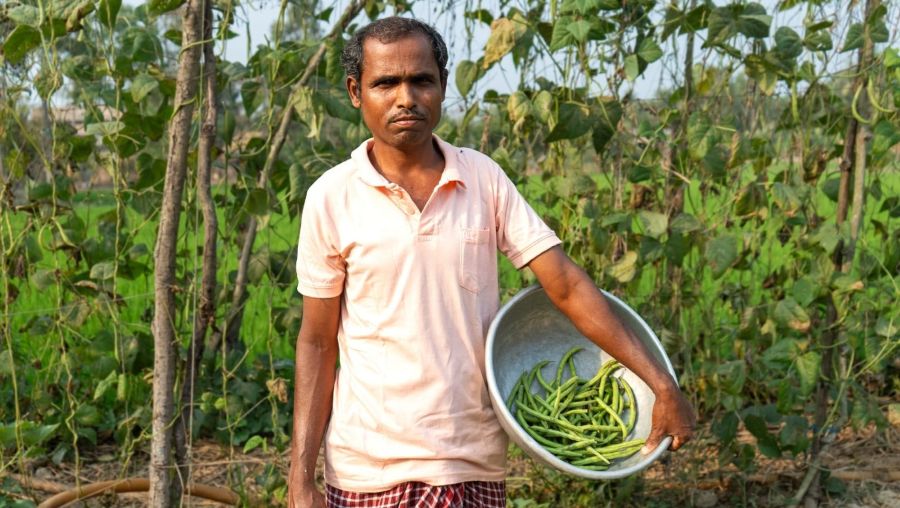
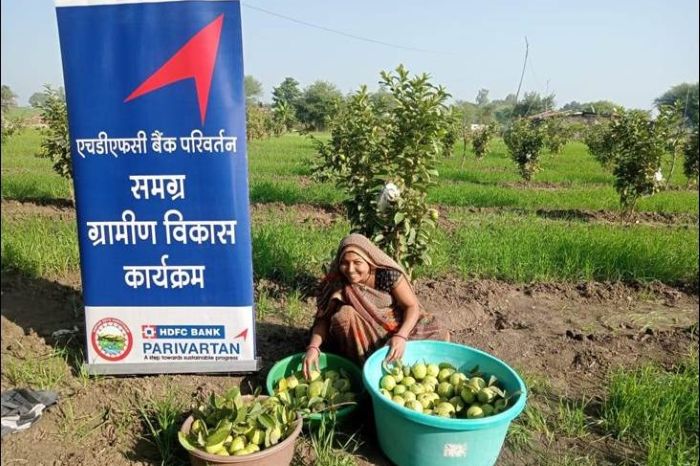
Sangeeta Bai, a resident of Semli Khurd village, is one such farmer whose life has been supported through HRDP. Before joining the programme, she cultivated wheat and soybean on one acre of land, earning an annual income of just ₹20,000–25,000. The income was not enough to meet household expenses, and farming remained vulnerable to rainfall and water scarcity.
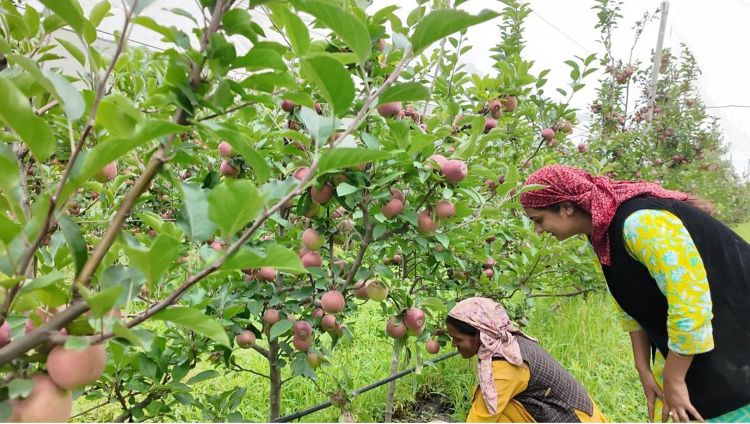
Under HRDP, Sangeeta Bai received 100 Taiwan Pink Guava saplings, seasonal vegetable seeds including fenugreek, bottle gourd, ridge gourd, tomato, potato, and coriander, along with hands-on training in the Multi-Tier Cropping System. Continuous technical guidance helped her optimise land use, diversify crops, and adopt scientific farming practices.
The results were significant. Through guava orchards combined with vegetable cultivation, Sangeeta Bai achieved a gross income of ₹6,13,500 and a net income of ₹5,78,500 after investment. Beyond income, improved water management increased water levels in her well, strengthening long-term farm sustainability. Today, she is economically self-reliant and a source of inspiration for other women farmers in her village.