Local Women, Lasting Change: How Vyomini is Driving Change in Health, Hygiene, and Women’s Livelihoods
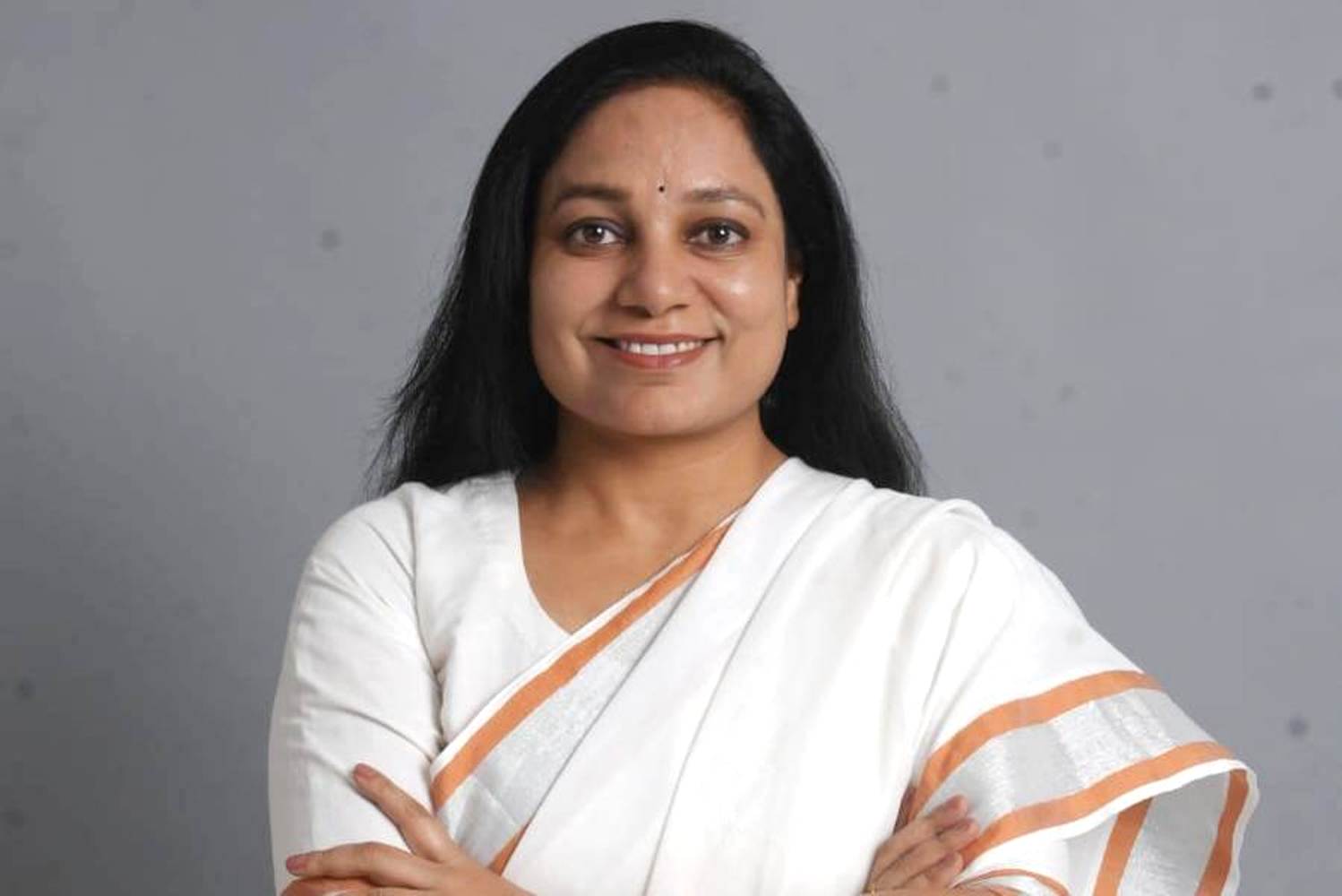
From launching India’s first incubation center for sanitary napkin production to training thousands of women in underserved communities, Prachi Kaushik’s impact offers a compelling lens on menstrual equity, women’s health, and economic empowerment. As the Founder & Director of Vyomini Social Enterprise, Prachi has educated over 2.5 million women on menstrual health and empowered over 2 lakh women as entrepreneurs.
In this exclusive conversation with TheCSRUniverse, Ms Prachi Kaushik, Founder & Director of Vyomini Social Enterprise, shares how her 3A model- Awareness, Affordability, and Accessibility- is creating real change in grassroots communities by breaking taboos, enabling sanitation access, and fostering inclusive, women-led economic growth.
The interview highlights Vyomini’s successful microenterprise models, local-language training, partnerships with NGOs like SUNDESH, and how capacity building in climate-affected and rural regions is helping women rise as community leaders.
Read on for further insights:
Q&A
Q. What was the core vision behind Vyomini’s creation, and which key gaps were you aiming to address?
A. Vyomini Social Foundation was founded by young women social workers with a vision to empower women socially and economically by providing them with opportunities, platforms, and recognition. The organization was created to bridge the gap between well-intentioned policies and their on-ground execution. Deep-rooted social taboos and gender biases often prevent women from taking leadership or ownership roles, despite their lifelong contributions to household management. Vyomini aims to change this narrative by advocating for women’s inclusion in policy-making, ensuring gender-friendly infrastructure, and promoting safety and security for women across all spheres of life.
To change that narrative, women need to be given priority in policy-making platforms, gender friendly infrastructure, and safety and security.
Q. How does Vyomini’s 3A model—awareness, affordability, and accessibility—translate into real impact at the grassroots level?
A. Until we give complete awareness about a subject, provide affordable products and easy accessibility we cannot expect the behaviour change, we have achieved that change by our 3As approach, first we create awareness about sanitation hygiene, menstrual hygiene and overall concept of swachhta, but this cannot be achieved without affordable sanitation hardware like sanitary napkins, soap, water, toilet with proper light, waste management and regular supply of sanitation hygiene product.
Vyomini’s 3A model ensures that behavioural change at the grassroots level is both sustainable and inclusive.
- Awareness: Educating communities about sanitation, menstrual hygiene, and the broader concept of cleanliness (Swachhta).
- Affordability: Providing cost-effective sanitation products such as sanitary napkins, soaps, and hygiene kits.
- Accessibility: Ensuring that essential sanitation infrastructure—like toilets with proper lighting, water supply, and waste management systems—is available and functional.
This integrated approach has led to measurable improvements in hygiene practices and community health outcomes.
Q. You have trained and supported over 2 lakh women in entrepreneurship. What kind of microenterprises have been most successful, and what support systems have made them work?
A. Women's groups across India, operating under livelihood missions, are doing great work; however, due to a lack of proper business training and marketing opportunities, they are unable to scale up their operations. Vyomini provides women training under our incubation program, connecting with government schemes and market opportunities, digital marketing, etc. We have conducted these trainings in their local area, where they can easily participate in entrepreneurship development programs.
Vyomini has trained and supported over 2 lakh women in entrepreneurship, helping them establish microenterprises in sectors such as handicrafts, food processing, tailoring, organic farming, and eco-friendly product manufacturing. The success of these ventures is rooted in Vyomini’s incubation programs, which provide:
- Business and financial literacy training
- Linkages with government schemes and financial institutions
- Digital marketing and e-commerce support
- Localized training sessions to ensure maximum participation and comfort for women entrepreneurs
Q. How do you approach building capacity—training, mentorship, and market linkage—for first-time women entrepreneurs, especially in rural and climate-affected regions?
A. We have collaborated with community-based organizations, NGOs, SHGs and Panchayat to conduct training, provide technical training, marketing linkages, especially in affected areas, farmers, rural entrepreneurs and the underprivileged community. We, as Vyomini, believe entrepreneurship is the solution to end chronic poverty and eliminate gender and caste-based discrimination. We provide training in the local language, most of the reading material is available in English, and rural entrepreneurs feel a little hesitant to access it. Training in the local language helps women and other community members to understand easily and practice the learning.
Vyomini’s approach to capacity building focuses on inclusivity and contextual relevance. Collaborating with community-based organisations, NGOs, SHGs, and Panchayats, Vyomini delivers:
- Technical and vocational training tailored to local needs
- Mentorship and handholding support for new entrepreneurs
- Market linkages to connect rural producers with buyers and government procurement systems
Special emphasis is placed on climate-affected regions, where sustainable livelihood models are promoted. Training is conducted in local languages to ensure comprehension and confidence among participants, breaking the barrier of English-only materials.
Q. Can you describe your work around menstrual health awareness and sustainable sanitation practices? What are some of the most effective strategies you’ve used to break taboos and build trust?
A. Vyomini addresses menstrual health and sanitation through culturally sensitive awareness programs that respect traditional values while promoting scientific understanding. The organization’s strategies include:
- Community dialogues and school-based awareness sessions
- Demonstrations on sustainable menstrual products
- Promotion of eco-friendly sanitation practices to reduce plastic waste and water misuse
- Vyomini emphasizes that sanitation is a daily necessity and must be managed sustainably to protect health, privacy, and the environment.
Taboos and stigma are carried forward by generations without understanding their impact and seeing them from a scientific point of view. They are carried forward because they were never questioned. Now we create awareness in such a manner that does not hurt cultural sentiments, moral values and at the same time improve hygiene practices.
Q. What role does intensive counselling and sensitization play in shifting attitudes around menstrual hygiene and reproductive health?
A. Intensive counselling and sensitization are central to Vyomini’s menstrual hygiene and reproductive health initiatives. Early and continuous counselling helps girls and women understand their bodies, manage menstruation hygienically, and overcome myths and fears. These sessions also engage families and community leaders to foster supportive environments, ensuring that menstrual health becomes a normalized and respected aspect of women’s well-being.
Q. How have your partnerships with banks, government schemes, and other stakeholders contributed to strengthening the entrepreneurial ecosystem for rural women?
A. We cannot walk all alone we need to involve every stakeholder at the right time, we can train women, link to the government scheme, help in documentation, but the bank and government officials have to have a positive attitude towards the participants then only we can create this eco system wherein all women feel confident and secure while walking on the path of entrepreneurship.
Q. Could you share a specific story or example that captures the real-world impact of your programs—either in health or entrepreneurship?
A. We have thousands of such story, we want to share one story of a rural women, she was uneducated from Haryana, when she joined our program she did not share that with her family, she hide this from every one and during the COVID-19 when her husband have no work, she has shared about that training and work from home opportunity, her husband also joined her and they survived during that difficult time for almost a year she became the bread winner for her family, that break all the taboos related to menstrual hygiene, also about that women only can handle household. Her family was in shock that she was selling sanitary napkins in the village without any hesitation, and also conducting an awareness program. During the COVID-19, she prepared lakhs of masks and PPE kits.
Q. How have your collaborations with NGOs like SUNDESH and other partners helped scale your efforts or enhance program delivery on the ground?
A. We have collaborated with various NGOs like SUNDESH, joined hands to increase our outreach, we are running a special program for NGO capacity building, ToT for community workers, training kit, and also empowering grassroots-level organization with technical training and support.
Q. How do you measure long-term outcomes—like income growth or behaviour change—among women you support?
A. We measure long-term outcomes through how their standard of living has increased, like their children going to schools, having good health, basic amenities in the household, because nobody wants to live in scarcity; all want a quality life with dignity.
Q. What’s next for Vyomini in terms of scale, innovation, or new impact areas?
A. We want to cover all the districts in India, especially aspirational districts where we can cover more women, rural communities and youth as well. Recently, we launched a social media influencer program to give wings to rural youth.


.png)