From Skilling to Scale: How Unnati Foundation is Leveraging SSE for Impact
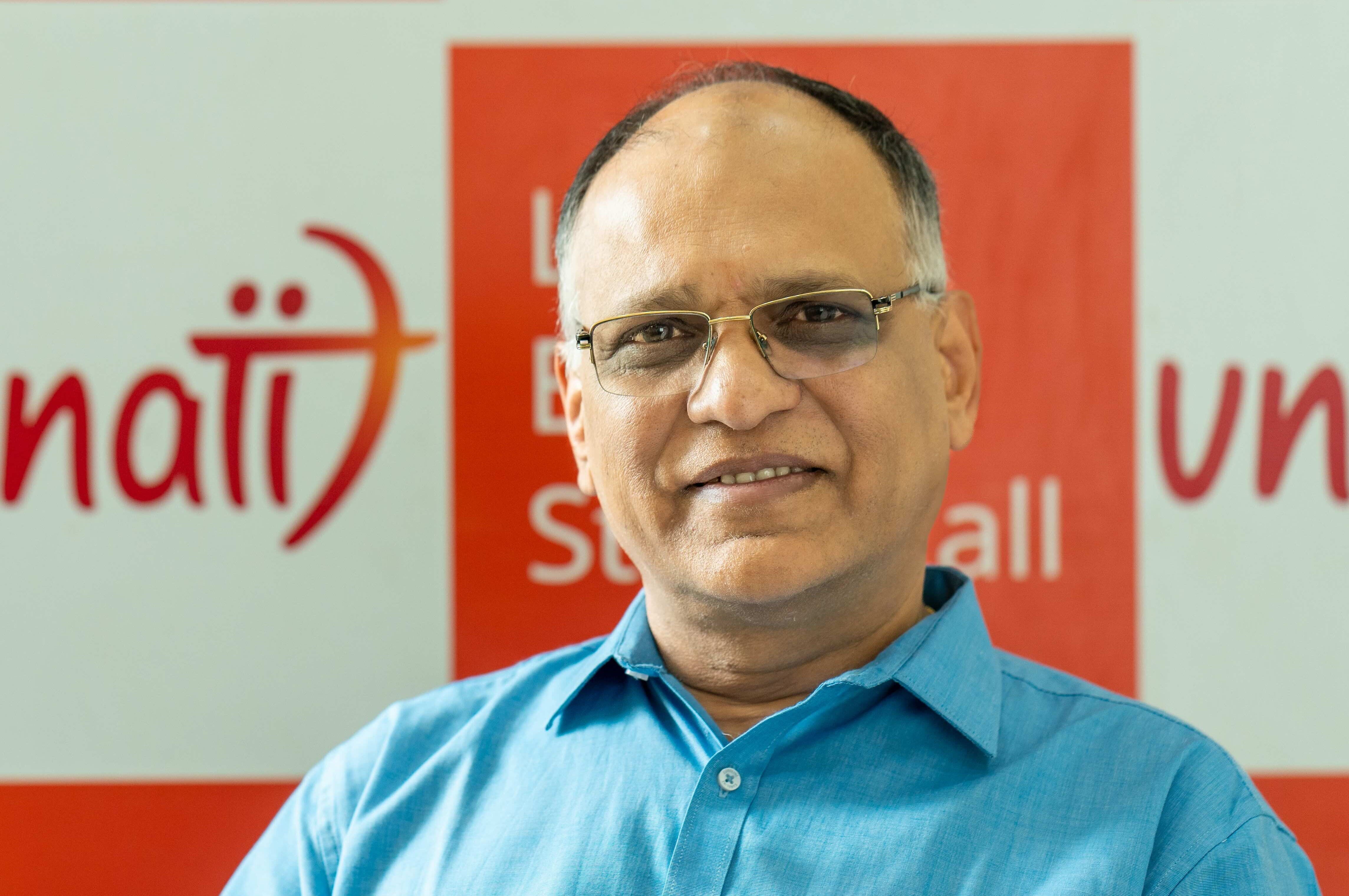
At a time when India’s skilling ecosystem is seeking both scale and credibility, Unnati Foundation’s decision to list its UNXT Employability Program on the National Stock Exchange Social Stock Exchange marks a significant step forward. As highlighted in recent developments, the move places the program among a select group of social initiatives leveraging market based mechanisms to unlock capital while strengthening accountability. In this conversation, Mr. Ramesh Swamy, Director, Unnati Foundation, explains how this milestone serves not just as a funding avenue but as a framework for transparency and measurable impact. Having trained over four lakh youth across India, the UNXT program reflects a scalable approach to improving employability, particularly among underserved communities. Mr. Swamy also discusses the role of partnerships, technology, and outcome tracking in ensuring long term impact, offering insights into how structured, data driven models can strengthen both credibility and reach in the social sector.
Scroll down to read the full interview.
Q&A
 Q. How does listing the UNXT Employability Program on NSE’s Social Stock Exchange help scale its social impact?
A. Listing the UNXT Program on NSE’s Social Stock Exchange gives Unnati Foundation a scalable, transparent way to expand its impact. The SSE platform opens access to a wider base of institutional and retail donors who may not otherwise discover or engage with NGO-led initiatives. Because the listing requires rigorous disclosures, impact reporting, and financial transparency, it builds trust, and this is especially important in a sector where credibility concerns often limit funding.
Q. Could you share any success stories or outcomes from the program, especially for youth employability?
A. One of our most meaningful success stories is that of Jyothi Pandey, who joined the program in early 2024.
Jyothi was pursuing an open university degree when her father came across a newspaper advertisement for Unnati and encouraged her to enroll in a computer course. The centre was close to her home, and after enquiring about the program, she decided to sign up.
What stood out in Jyothi’s journey was the transformation in her confidence and communication. She always had good written English but struggled with speaking fluently. The daily introductions and communication exercises became her favourite part of training. Over time, she noticed that she was no longer fumbling through sentences. This directly helped her during her job interview at Magicbricks, where she now works in listing verification to ensure authenticity and prevent fraud.
Her story also reflects the value of retention and mentorship. In the first week, Jyothi almost dropped out because she felt the trainers were being too strict. A trainer asked her to continue for just a few more days before deciding. Within a week, Jyothi returned—not to leave, but to say she wanted to stay because she had begun seeing real value in the sessions. That same trainer later recommended her for the job she currently holds.
Today, Jyothi speaks with clarity and determination. She plans to start a small business making handmade paper jewellery and has a long-term goal of owning her own home. Her journey captures what the program aims to do: build confidence, improve employability, and equip young people with the skills and self-belief needed to pursue meaningful opportunities.
Outcomes
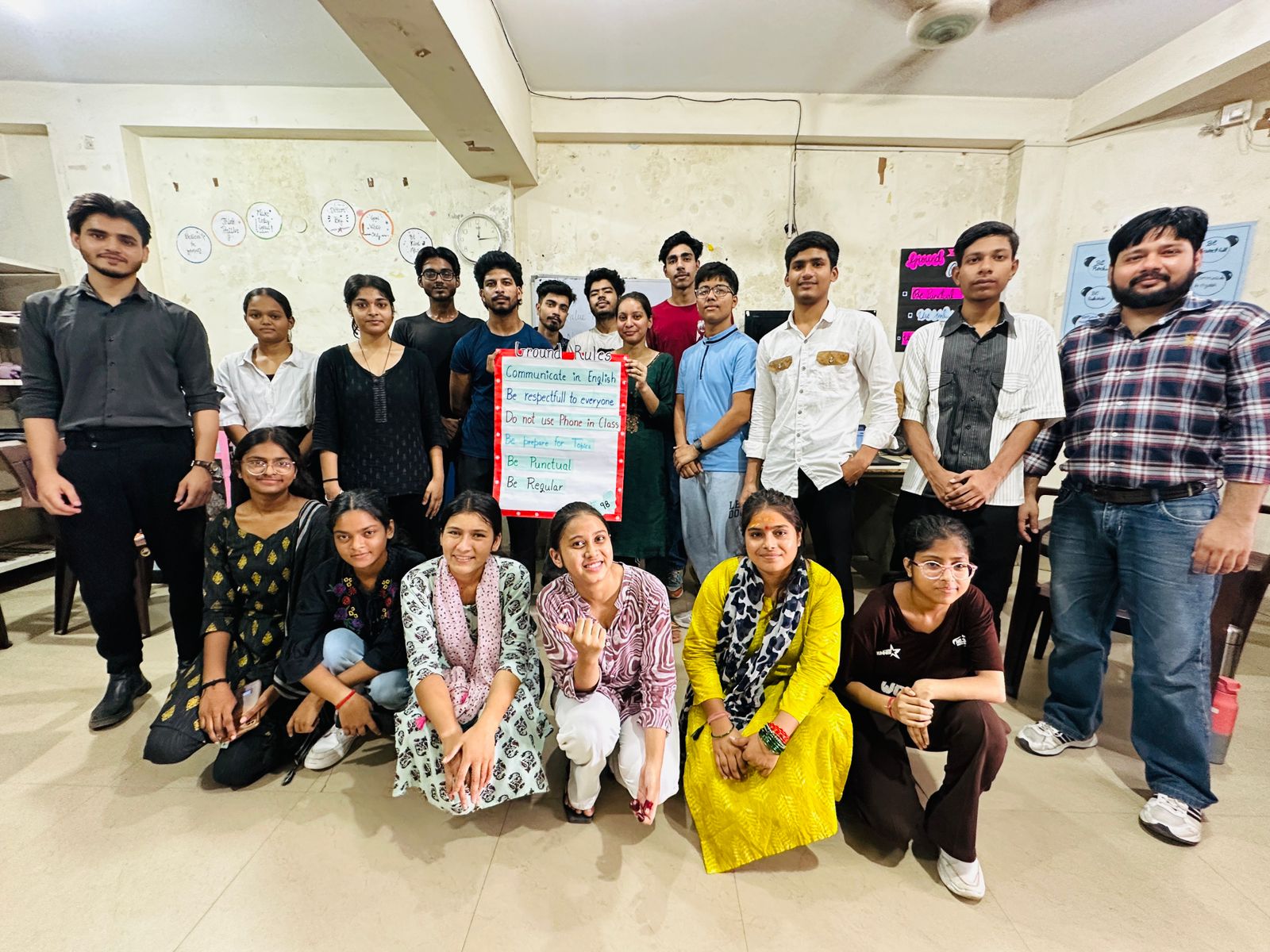
Unnati Foundation has to date trained 4 lakh young people across the country, working closely with over 2,000 colleges. The program is hosted on government college campuses across 14 states. Funded by corporate CSR initiatives, UNXT transforms participants in just one month, equipping them with confidence, self belief and ability to communicate effectively, gain employability skills, secure jobs and succeed in life. The programme has achieved over 60% outcomes in jobs and higher education placements, particularly in rural regions and among economically weaker communities.
Q. How do you ensure the program reaches underserved or marginalized communities effectively?
A. We deliver our program through two models - Unnati Centre Model and UNXT Model.Under the Unnati Centre Model we conduct programs for underprivileged youth aged 18–25 who lack the skills to secure employment. Through these centres, we’ve trained more than 80,000 young people. The second is our UNXT Program, launched in 2017, which equips final-year government college students with employability skills and placement support.
Together, these two models allow us to reach underserved communities consistently, and at scale, ensuring that no young person is left out due to financial, geographic, or social barriers.
In addition to these two delivery models, we also work directly with state governments through formal MoUs to take our programs deeper into the grassroots. Through these partnerships, we are able to integrate our training model within government machinery, access rural and semi-urban communities, and reach youth who are often excluded from mainstream skill-development initiatives.
Q. What role do partnerships with corporates, government, or other NGOs play in achieving your goals?
A. Through our government MoUs, we’re able to take our programs deeper into communities and ensure significantly wider reach. Corporates not only fund the program but also help us keep our training modules current and aligned with industry needs. In addition, when volunteers come and participate in our programs, it boosts the morale of the youth and adds value to the whole program. Our NGO partners play a crucial role in identifying vulnerable youth and providing the social support needed to help them succeed in the program.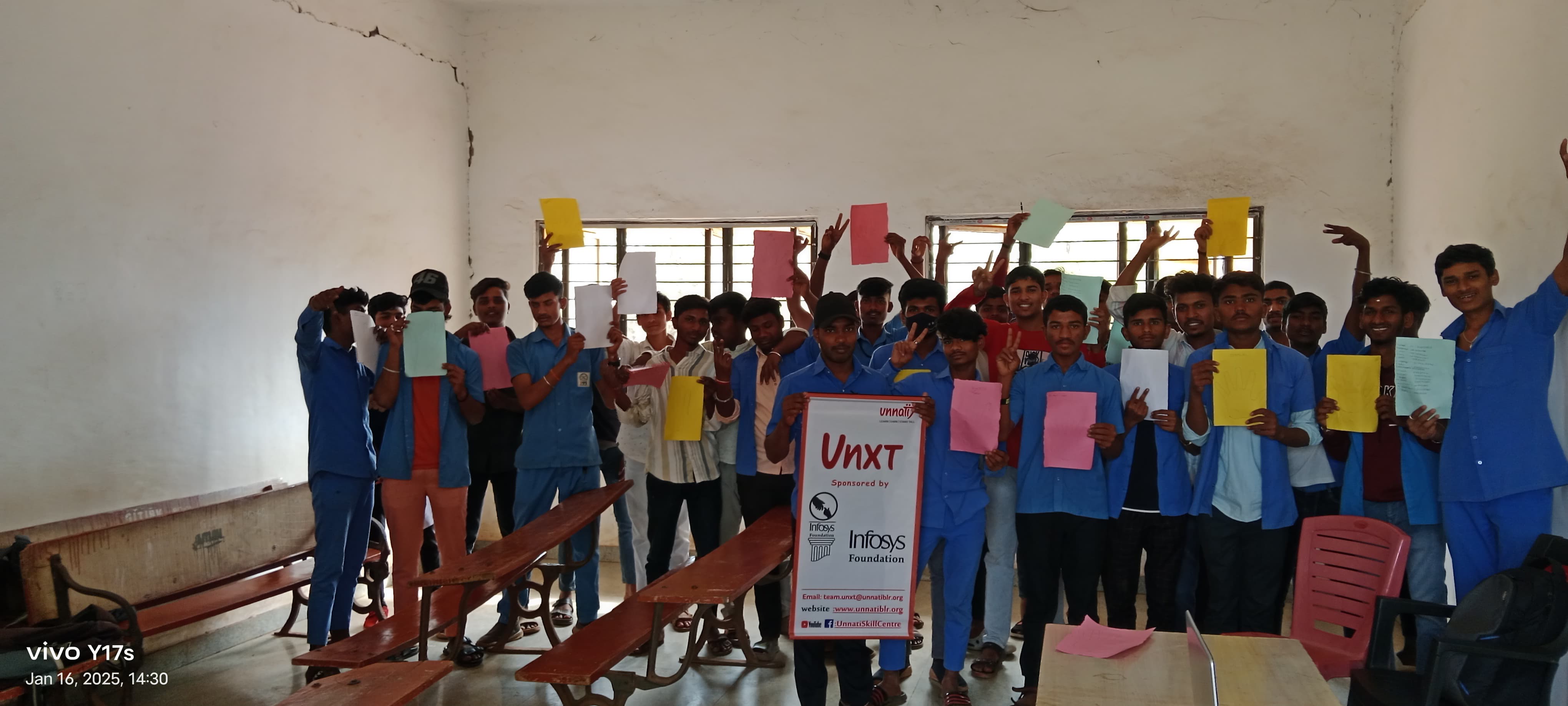
Q. How does this listing improve transparency or accountability for your social initiatives?
A. The Social Stock Exchange (SSE) follows SEBI-mandated disclosure norms, which are among the most stringent in the ecosystem. Getting listed on the SSE is therefore a rigorous process that requires extensive documentation, financial transparency, and strong governance practices. This is one of the reasons why very few NGOs are currently listed on the platform.
In addition, the impact data shared by listed organizations is not self-reported. It is independently verified by third-party social impact audit firms that are approved under SEBI norms, ensuring credibility and accountability.
For us, being listed brings a new level of financial transparency and donor trust, while also opening up avenues to raise funds from a broader group of social investors who are looking to support credible, high-impact initiatives. We believe that nonprofit organizations should operate with the same seriousness, structure, and transparency expected of any other enterprise, and the SSE listing helps demonstrate exactly that.
Q. Are there plans to expand the program to other regions or communities in India?
A. Currently our plan is to ensure that we go deeper in the regions that we are currently in. Our intention is to stay focused on the 12 states that we are currently working in and do a lot more training in these areas.
Q. How do you measure the long-term impact of the program on the communities it serves?
A. When we equip an individual to become worthy of getting a job, they often become the key earning member of their family, and this changes their entire trajectory. It turns their life around and has a significant impact on their families as well. Beyond immediate employment, these individuals also gain the confidence and capability to progress in their careers.
Q. What lessons from UNXT could other social enterprises or CSR initiatives adopt to create lasting impact?
A. One key lesson is cost-impact efficiency. Very few NGOs are able to deliver training programs at the scale and cost at which we operate.
Another important factor is technology intervention. The IT systems we have implemented have made a significant difference to how we operate. Our entire system runs on cloud-based software, which allows us to manage and scale our operations efficiently. At Unnati, most processes and data are accessible at the click of a button.
This level of digitization helps us track outcomes, manage scale, and clearly showcase our impact. NGOs and social enterprises should focus more on digitizing their operations if they want to expand their initiatives and demonstrate measurable results.
Q. How is Unnati Foundation using technology or new approaches to tackle barriers to youth employment?
A. Every student enrolled under UNXT has access to two key digital tools : Swayam and Udhyogam. Swayam is a free online personality assessment that helps students understand their strengths, areas of improvement and career direction through a personalized SWOT report, while Udhyogam allows students to create resumes and video introductions that are shared with potential employers.
In addition, we are now training our students to use AI for professional purposes, ensuring they are equipped with basic AI skills that are increasingly important in the workplace. When two candidates are evaluated, the one with AI skills often has a clear advantage.
Students also undergo Cyber Smart Bharat certification, a cybersecurity training program that equips them with essential digital safety knowledge and provides them with a recognized certification.
Q. Beyond employability, does the program also aim to support broader empowerment, such as financial literacy, entrepreneurship, or gender inclusion?
A. While employability is at the core, our programs go much deeper. We focus on communication, confidence-building, problem-solving, professional behavior, and essential life skills that shape how young people show up in the world.
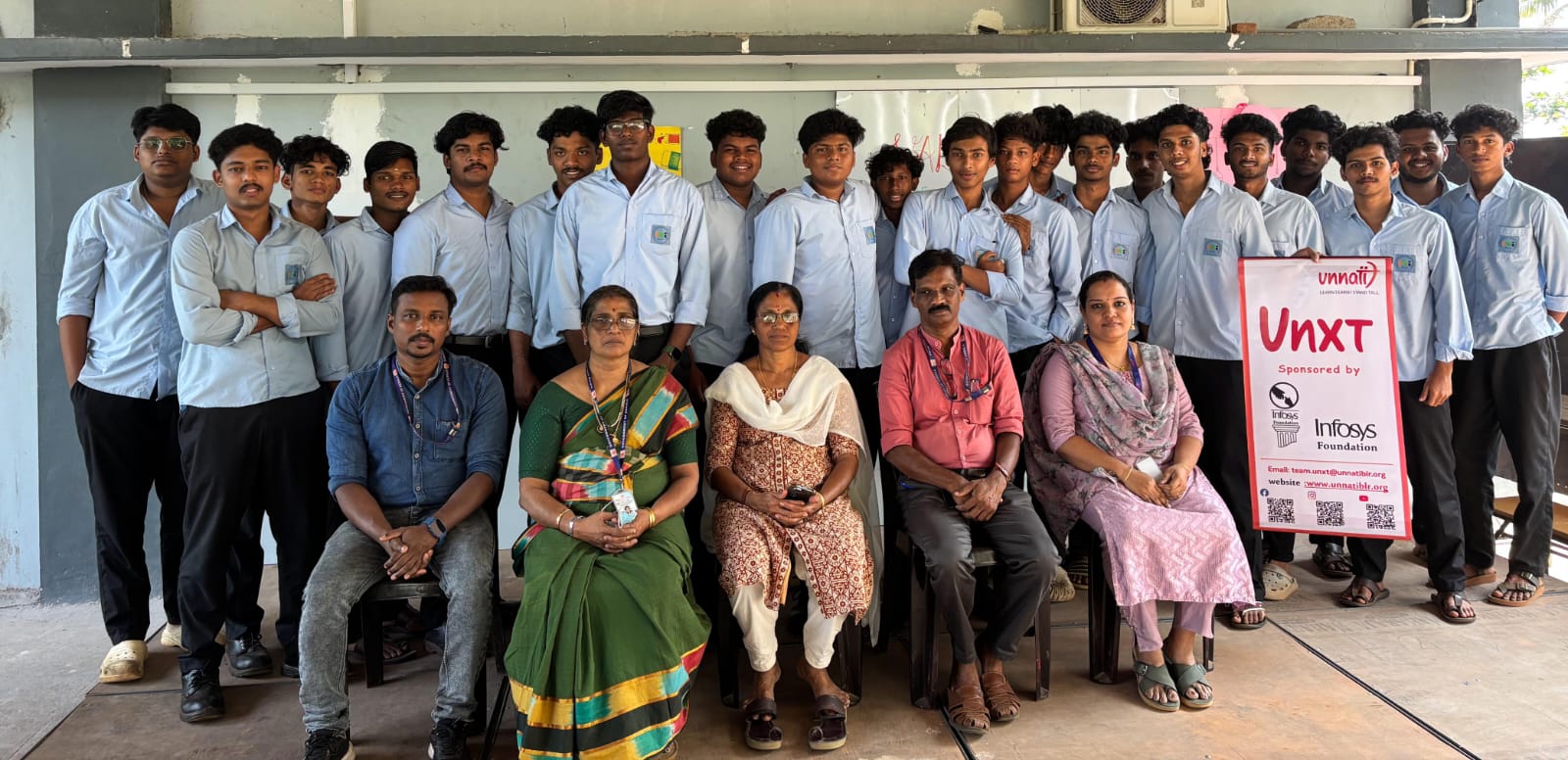 Across both the Unnati Centre Model and the UNXT Program, the aim is to help youth think clearly, speak confidently, and navigate real-life work environments. By the end of the program, students not only perform better in interviews but also understand their strengths and career goals more clearly.
We don’t just equip them for a job—we equip them to succeed in life. Many of our students become first-time breadwinners, support their families, and change the trajectory of their households.



.png)