From Mobility to Opportunity: Inside Myntra Cares’ Approach to Inclusive Development
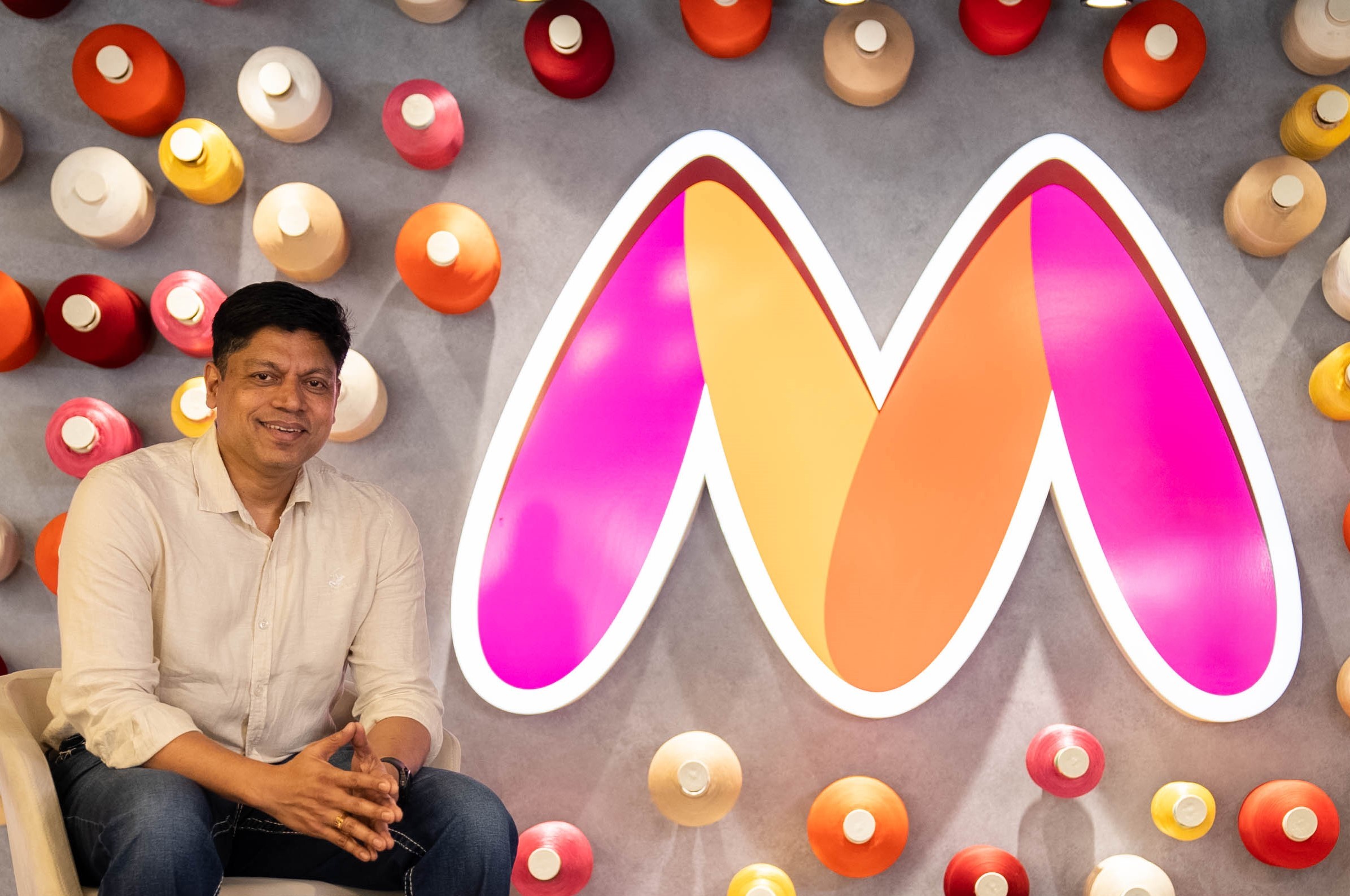
As conversations around corporate responsibility increasingly shift from intent to measurable impact, Myntra Cares is carving out a focused approach to inclusive livelihoods and education. In this interview, Govindraj MK, CHRO at Myntra, shares how the company’s CSR and sustainability arm is addressing structural access barriers faced by underserved communities. From mobility-enabled livelihoods for persons with disabilities to education pathways for first-generation learners, he outlines how Myntra Cares is building long-term, partner-led programmes designed for dignity, continuity, and scalable social impact.
Q. What was the core motivation behind launching the ‘Livelihoods on Wheels’ programme and integrating mobility support with employment opportunities for persons with disabilities?
A. The ‘Livelihoods on Wheels’ programme aims to address a barrier faced by persons with disabilities, mobility as a prerequisite to accessing stable employment. Through Myntra Cares, our CSR and Sustainability arm, the intent was to enable sustainable livelihoods by combining mobility support with assured employment opportunities. By providing NeoMotion mobility equipment and directly linking beneficiaries to delivery roles, the programme creates a pathway to financial independence, dignity, and long-term income generation for individuals with mobility impairments.
Q. How does Myntra Cares identify and prioritise specific community needs (such as mobility-impaired livelihoods versus education support) when expanding its CSR portfolio?
A. Myntra Cares follows a focused, need-based approach to community development, anchored around two clearly defined pillars, education and livelihoods. We prioritise on-ground assessments with credible partner organisations and a deliberate effort to address gaps where access barriers are most pronounced. This structured framework allows us to respond to diverse community needs while maintaining long-term consistency across our CSR portfolio.
Q. Could you share how the partnerships with organisations like Alamba Charitable Trust, Links Educational and Charitable Trust, CommuniTree, and Buddy4Study were structured to ensure long-term outcomes for beneficiaries?
A. Each partnership under Myntra Cares has been structured to ensure continuity and measurable outcomes. Partner organisations manage on-ground implementation, beneficiary identification, monitoring and specialised support, while we help with strategic partnership. For instance, Alamba Charitable Trust identifies and supports mobility-impaired beneficiaries while NeoMotion provides equipment. Similarly, Links Trust manages end-to-end education delivery to children of migrant labourers, CommuniTree oversees school renovation and transformation and Buddy4Study handles MynVidya scholarship administration and monitoring. Programs and nature of beneficiaries are co-curated with the partners and deeply aligned with the nature of business and ethos of Myntra. This model ensures that programs are embedded within existing ecosystems and continue beyond one-time interventions.
Q. What are the key measurables and success metrics Myntra Cares uses to evaluate the impact of mobility-led livelihoods and education programmes over time?
A. Success metrics are defined program-wise and tracked in partnership with implementing organisations. For mobility-led livelihoods, impact is measured through the number of beneficiaries onboarded, sustained employment as delivery agents and expected monthly income. For education programs, metrics include the number of children completing open school levels, successful mainstreaming into government schools, infrastructure readiness for increased student capacity and quality education imparted and scholarship beneficiaries progressing through higher education. Monitoring and reporting are led by partner organisations for both programmatic impact and fund utilisation, ensuring accountability and data-led evaluation.
Q. How does the scholarship initiative under MynVidya support access to higher education for students from artisan and low-income garment worker families, and what outcomes do you expect from this support?
A. The MynVidya scholarship initiative is designed to remove financial barriers that prevent students from artisan and garment worker families from pursuing higher education. Eligible students receive ₹20,000 annually on a reimbursement basis and are supported for up to three years of graduation in STEAM disciplines. The program prioritises first-generation graduates and students from single-parent households, enabling academic continuity, skill development and improved career prospects for communities that traditionally lack access to formal higher education pathways.
Q. Myntra Cares covers learning infrastructure transformation and foundational education. How do these interventions fit into your long-term strategy for community development?
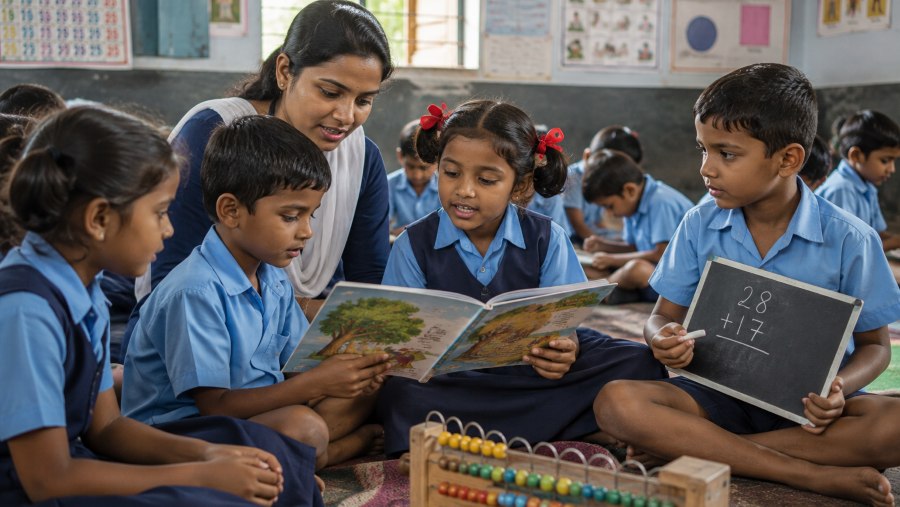
A. Foundational education and learning infrastructure transformation form the backbone of Myntra Cares’ long-term education strategy. By supporting out-of-school children through open schooling and simultaneously strengthening physical learning environments through school adoption and higher education scholarships, we aim to create a continuum of support from early learning to higher education. These interventions are designed to address both access and quality gaps in education, ensuring that children from underserved communities are not only enrolled but are supported through meaningful learning outcomes and transitions into mainstream education systems.
Q. Given the diverse needs of underserved communities, how does Myntra Cares balance immediate livelihood support with longer-term educational interventions?
A. We operate by keeping a parallel focus on areas rather than choosing one over the other. Livelihood initiatives like ‘Livelihoods on Wheels’ respond to income and independence needs, while education programs under MynVidya address systemic challenges over a longer horizon. This dual approach allows us to support families today through livelihood enablement while investing in education as a sustainable pathway to breaking intergenerational cycles of poverty.
Q. In your view, what role should corporations play in bridging gaps in education access and livelihood opportunities, especially for traditionally excluded groups?
A. By curating innovative educational programs, working closely with credible partners and embedding programs within existing community ecosystems, corporations can play a meaningful role in bridging the gaps.
Q. How does Myntra Cares ensure sustainability and the continuity of its CSR initiatives beyond the initial implementation phase?
A. Sustainability is built into our initiatives through multi-year program commitments, partner-led implementation and clearly defined success metrics. Programs such as education support, scholarships and livelihood enablement are designed as multi-year projects and long-term engagements rather than one-off projects. Our role is combined with ongoing monitoring by implementing organisations, ensuring continuity, scalability and lasting impact beyond the initial rollout phase.
Q. Looking ahead, are there any plans to scale the mobility-led livelihood model or the MynVidya education programmes to other regions or beneficiary segments?
A. Currently, all Myntra Cares initiatives are focused on Bengaluru except for the MynVidya scholarship program and are being implemented as structured pilots to assess impact and outcomes. The programs have been designed with scalability in mind; however, any future expansion to other regions or beneficiary segments will be evaluated based on learnings from these initial implementations and the effectiveness demonstrated over time.



.png)