From Digital Classrooms to Empowered Communities: Building a Multi-Generational Model of Social Impact
In a world where digital access, emotional well-being, and livelihoods are increasingly interconnected, meaningful CSR can no longer function in silos. It must evolve into an ecosystem- one that nurtures children, empowers women, and strengthens communities together. Newgen’s CSR journey reflects this shift, moving from digital education initiatives to a holistic, community-centred approach that integrates life skills, financial independence, mental well-being, and nutrition.
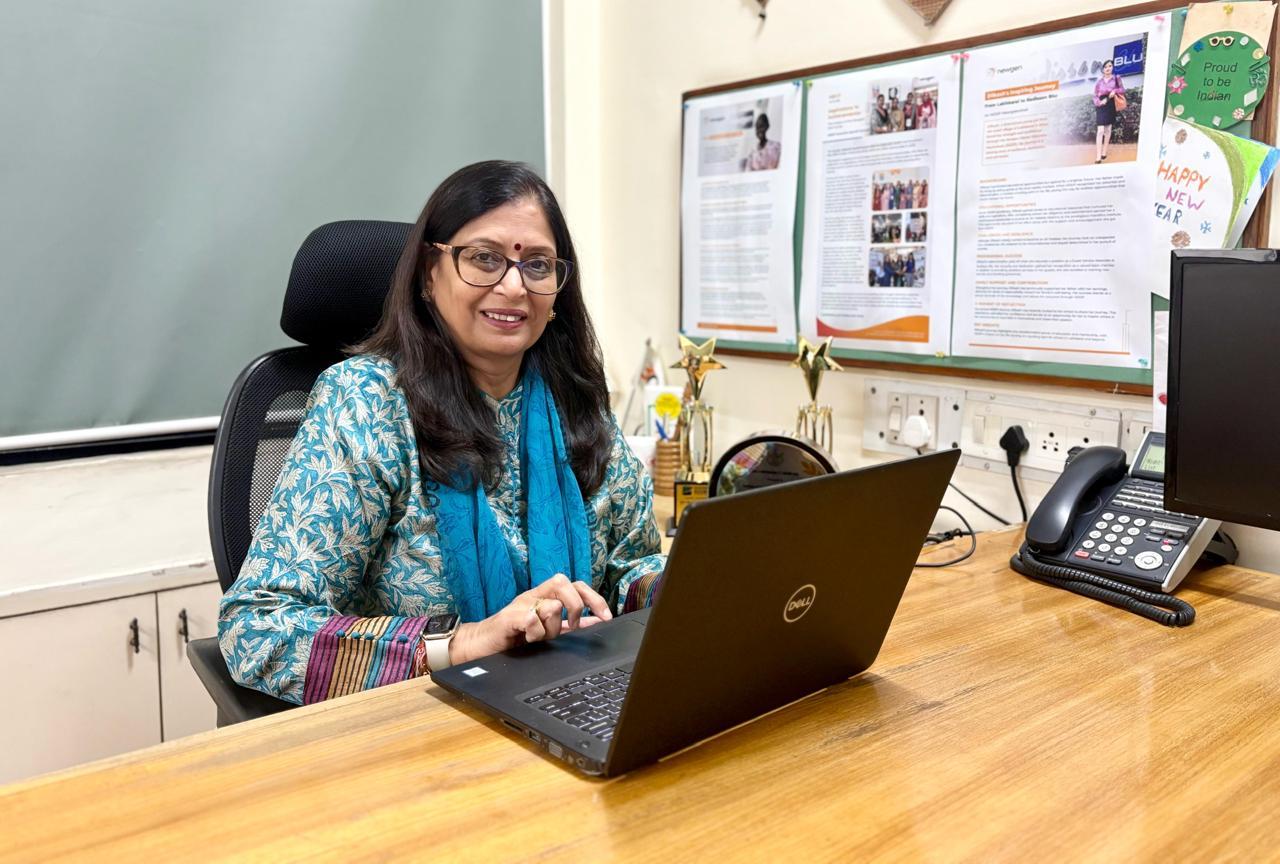
In this in-depth conversation, Ms. Priyadarshini Nigam, Director and Head – CSR, Newgen Corporate Social Responsibility, shares how programmes such as Newgen Digital Discovery Paathshala, Samarth Saarthi Samuh, and the Skill Development Centre in Okhla are creating ripple effects that extend far beyond classrooms. From mothers guiding their children through digital tools to women stepping into financial and decision-making roles, Newgen’s initiatives highlight how empowerment at one level can transform entire families.
Scroll down to read how Newgen, through strong partnerships and people-led programmes, is building a multi-generational impact model—one that blends digital inclusion, mental well-being, and sustainable livelihoods to contribute to a more resilient and equitable India.
Q. Newgen’s CSR journey began with digital education through Newgen Digital Discovery Paathshala (NDDP) and has since expanded to empowering mothers and communities. What prompted this evolution, and how does empowering women create a multiplier effect on families and society?
A. Newgen’s CSR journey has evolved through both experience and evidence. We began with digital education through Newgen Digital Discovery Paathshala because digital skills are a critical enabler of opportunity and employability. As our work deepened, we realised that skills alone are not enough if agency and decision-making power within families remain limited.
This understanding led us to focus on empowering mothers and women. Research consistently shows that when women gain economic and digital independence, up to 90 percent of their income is reinvested in children’s education, health, and nutrition. The World Bank has also highlighted that empowering women leads to better schooling outcomes, improved family health, and greater financial resilience.
In practical terms, when a mother is empowered, the impact multiplies. She shapes educational choices, healthcare decisions, and long-term aspirations for the family. For Newgen, this shift reflects a move from isolated interventions to sustained, community-level impact, where one empowered woman strengthens an entire household and, in turn, society.
Q. NDDP focuses on digital literacy and life skills for children. How does Newgen ensure that these learnings translate beyond classrooms into homes and communities, creating multi-generational impact?
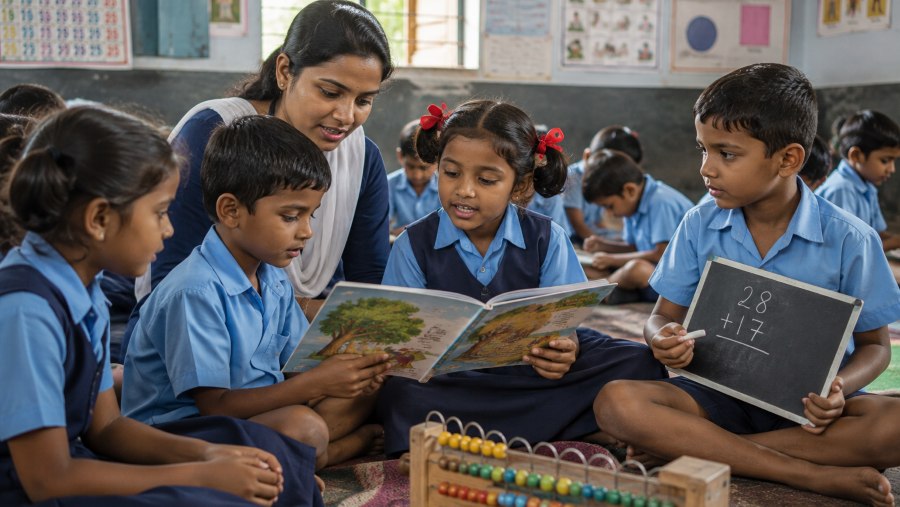
A. At NDDP, learning is designed to travel beyond the classroom. Digital literacy and life skills are taught through practical, everyday applications so children can use them immediately and share them at home. This matters because studies show that in digitally underserved households, children are often the first point of digital access and learning for families, influencing how parents and elders use smartphones, online services, and digital platforms.
Evidence supports this ripple effect. Research by UNESCO and UNICEF indicates that children-led digital learning can improve household digital adoption by over 30 percent, particularly in low-access communities. When a child learns safe internet use, basic digital navigation, or problem-solving skills, that knowledge naturally extends to the family.
Alongside digital skills, NDDP places strong emphasis on life skills such as confidence, communication, and responsibility. Longitudinal education studies show that life skills acquired early lead to higher school retention, better learning outcomes, and stronger aspiration-setting within families. Together, these elements ensure that NDDP creates not just individual capability, but multi-generational impact where learning becomes embedded in homes and communities.
Q. Initiatives like Samarth Saarthi Samuh and the Skill Development Centre in Okhla focus on digital, financial, and livelihood skills for women. What changes have you observed in the confidence, independence, and decision-making power of these women?
A. Initiatives like Samarth Saarthi Samuh and the Skill Development Centre in Okhla have translated learning into tangible economic outcomes. As women acquire digital, financial, and livelihood skills, we see a clear rise in confidence, independence, and earning potential. Many participants move from limited or informal income to regular earning opportunities through skilled employment, micro-entrepreneurship, and service-based work enabled by digital platforms.
Internal programme assessments indicate that over 70 percent of participants independently manage financial transactions and contribute directly to household income. Programme-level tracking also shows that a significant proportion experience income uplift within months of completing training.
This economic participation strengthens decision-making power. Women who earn and manage money are more actively involved in choices related to education, healthcare, savings, and long-term planning. The most meaningful shift we observe is from participation to agency, where skills unlock income, income builds confidence, and confidence reshapes women’s roles within their families and communities.
Q. Many women were earlier dependent on others for digital or financial transactions. How has digital and financial literacy enabled women to handle everyday tasks, from online payments to accessing healthcare and education, more independently?
A. Digital and financial literacy has significantly reduced day-to-day dependency for many women. Before training, routine tasks such as online payments, banking, or accessing digital services often required assistance from family members or intermediaries. Post training, women are able to independently use smartphones, manage bank accounts, make digital payments, and access government and healthcare services online.
Programme observations show that a majority of participants begin conducting essential transactions on their own within a short period, from paying utility bills and school fees to booking medical appointments and tracking benefits. This independence extends beyond convenience. It builds confidence, saves time and money, and reduces vulnerability to misinformation or exploitation.
Most importantly, digital and financial literacy gives women control over everyday decisions related to health, education, and household needs. When women can access information and services directly, they move from reliance to self-reliance, strengthening their ability to act, decide, and participate fully in family and community life.
Q. Mental health remains a taboo in many underserved communities. Why was it important for Newgen to integrate mental well-being sessions into its CSR programmes, and how have women responded to having a safe space for emotional conversations?
A. Mental health is often overlooked in underserved communities, yet it directly impacts learning, confidence, and long-term progress. As women take on new roles through education and livelihood programmes, emotional stress and unspoken pressures often surface. Recognising this, Newgen integrated structured mental well-being support into its CSR initiatives.
Through a partnership with IAM Well Being, professional counsellors provide guided sessions that offer beneficiaries a safe, confidential space to discuss emotional challenges. Programme feedback shows strong participation and continued engagement, with many women sharing that this is the first time they have had access to professional mental health support. Over time, facilitators observe improved self-expression, emotional resilience, and greater confidence in balancing work, family, and personal aspirations.
By embedding mental well-being alongside digital, financial, and livelihood skills, Newgen ensures that empowerment is holistic and sustainable. Supporting mental health strengthens the ability of women to apply skills, sustain livelihoods, and participate fully in family and community life.
Q. Newgen’s CSR spans education, nutrition, emotional well-being, and livelihood support through partnerships with organizations like Akshaya Patra, KHUSHII Foundation, and others. How do these partnerships strengthen the overall impact of your CSR ecosystem?
A. Newgen’s CSR partnerships are designed to be strategic and mission-aligned, ensuring that each collaboration strengthens a specific outcome within our broader CSR ecosystem. We work with organisations that bring deep domain expertise, strong community trust, and proven execution capabilities.
Our partnership with Akshaya Patra has enabled us to reach students in interior and underserved areas. In the last quarter alone, this collaboration supported the delivery of over 3 lakh mid-day meals, directly contributing to improved nutrition and better learning readiness among school children.
With KHUSHII, Newgen benefits from a strong feeder ecosystem in MCD schools, where students transition into the NDDP programme. KHUSHII also supports education initiatives in flood-affected regions of Ramgarh, Uttarakhand, helping us reach children in difficult and remote terrain. KK Academy further strengthens our approach by contributing to holistic education initiatives in Lucknow.
Our partnership with Computer Shiksha has significantly expanded Newgen’s digital literacy footprint into aspirational and remote regions. In the last financial year, this collaboration helped us reach over 1 lakh students, scaling access to foundational computer education.
Specialised partners such as IAM Well Being and EOFO bring critical expertise in mental health and community enablement, supporting both the NDDP programme and our mothers’ initiatives. Their involvement ensures professional delivery, ethical practices, and sustained engagement.


.png)