
From Awareness to Parenthood: Oasis Fertility's Mobile Clinic is Changing Lives
Every family deserves the chance to experience the joy of parenthood—but for many, the journey begins with awareness, not treatment. Across India, thousands of couples silently struggle with infertility, often delaying medical advice due to stigma, lack of information, and limited access to fertility specialists. For many living in smaller towns and rural areas, quality fertility care remains out of reach.
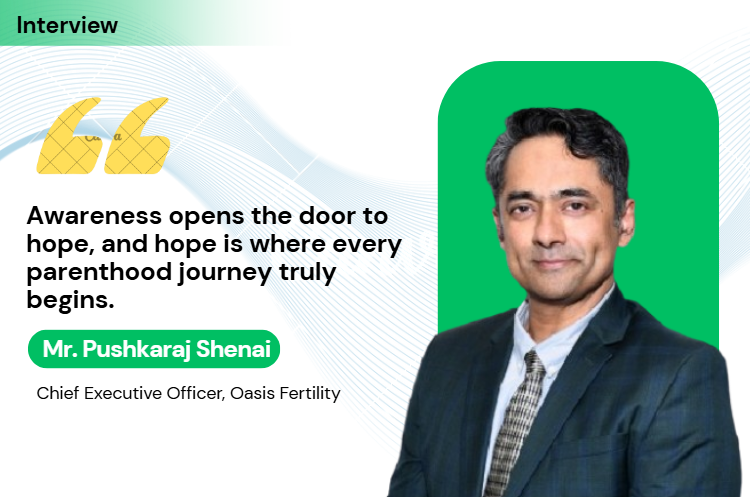
In this exclusive interview, Mr. Pushkaraj Shenai, Chief Executive Officer of Oasis Fertility, shares the vision behind the Oasis Janani Yatra, a first-of-its-kind nationwide fertility awareness movement that is taking expert guidance, free consultations, and fertility screening directly to communities across India. He discusses the growing need for early fertility awareness, the challenges faced by couples in underserved regions, and how mobile fertility clinics are helping break long-standing myths around infertility.
The conversation also highlights the importance of involving both men and women in fertility discussions, the role of government and community partnerships, and how initiatives like the Oasis Janani Yatra are making reproductive healthcare more accessible, inclusive, and compassionate—bringing hope closer to thousands of aspiring parents.
Scroll down to read more:
Q. What is the vision behind the Oasis Janani Yatra, and what specific gaps in fertility awareness and access are you aiming to address through this initiative?
A. After nearly 17 years of building one of India’s largest and most advanced fertility care networks, we realized that the biggest challenge is often not the lack of treatment, but the lack of timely awareness. Many couples reach specialist care later than they ideally should, limiting their options and opportunities.
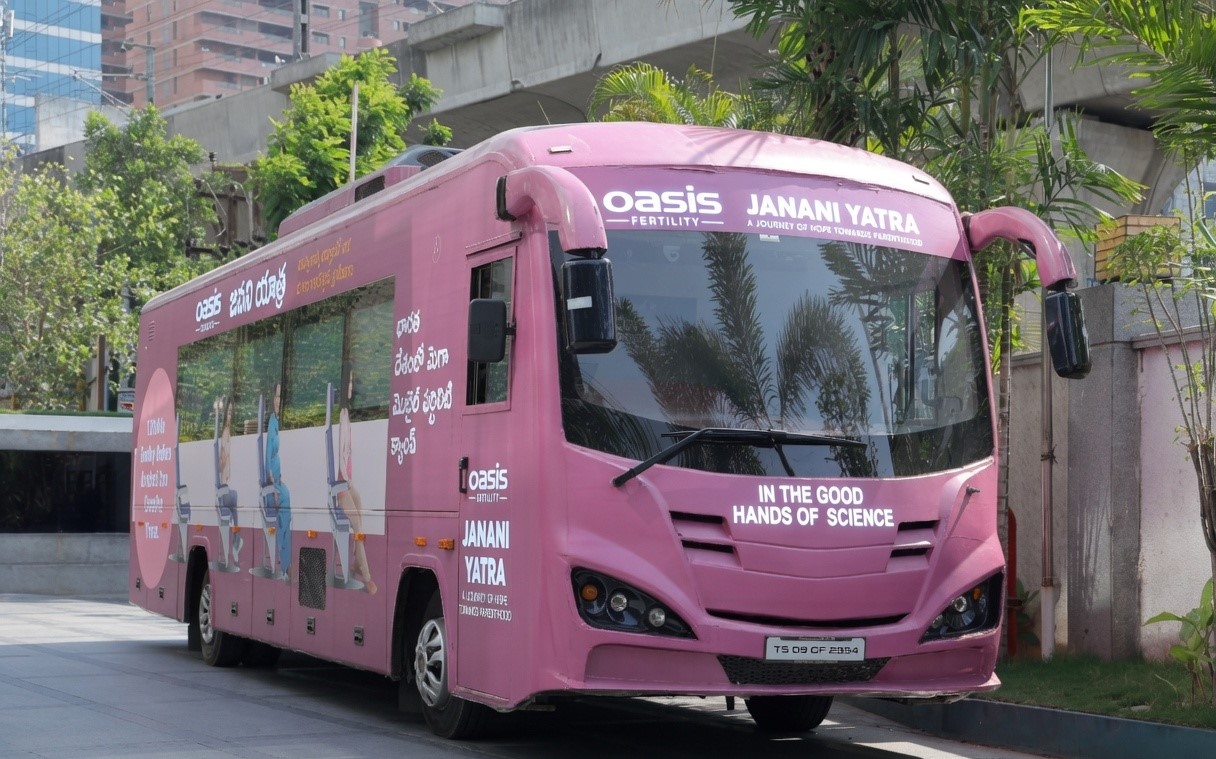
The Oasis Janani Yatra was launched to address this challenge by bringing fertility awareness, expert consultations, and screening services directly to communities. Through this initiative, we aim to improve awareness, expand access to fertility care, and reduce the stigma surrounding infertility, empowering individuals and couples to make informed decisions earlier in their fertility journey.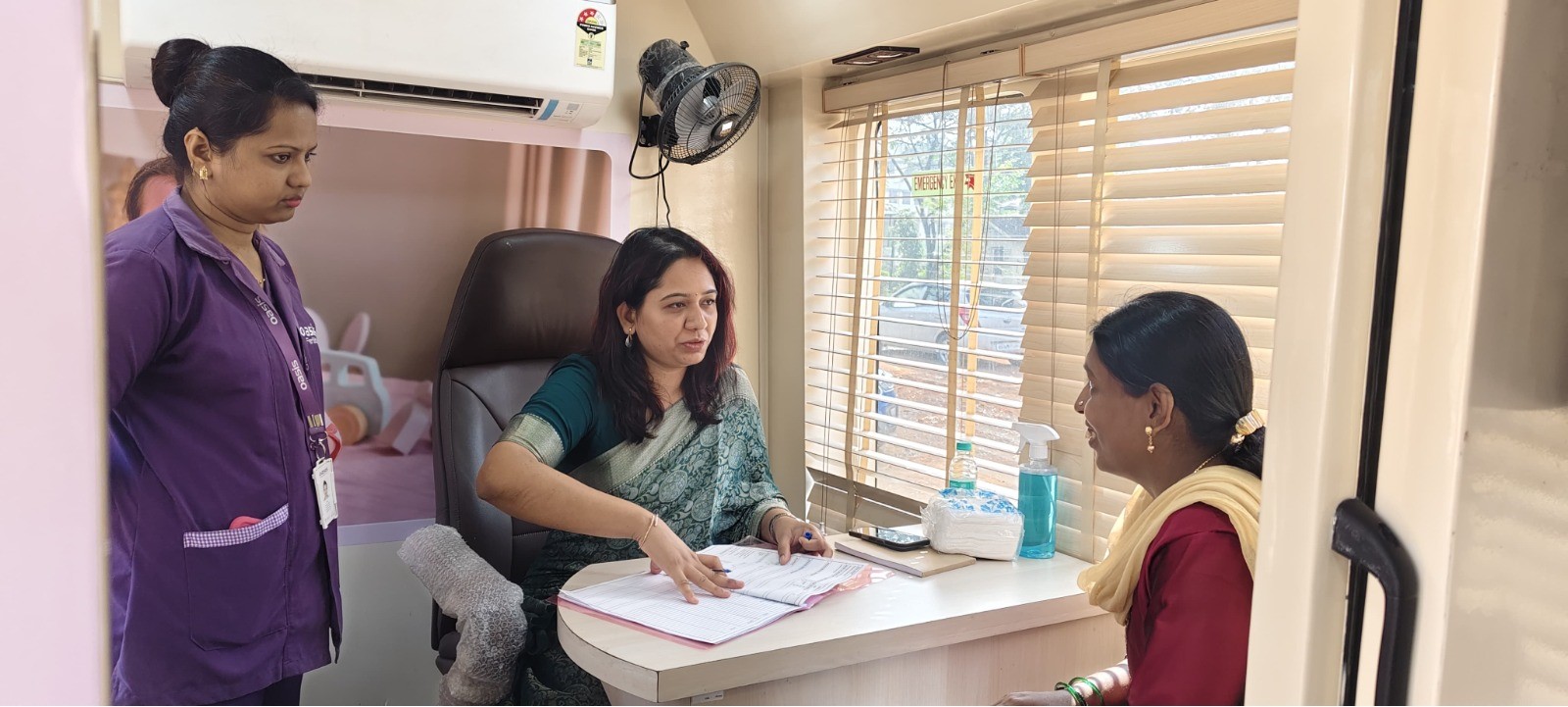
Q. Infertility is increasingly being recognized as a public health concern in India. From your perspective, what are the key factors contributing to this trend, particularly in underserved regions?
A. What we are seeing today is intersection of social choices and biological realities.
On one hand, people are delaying parenthood to build careers, stability, and independence. But what often gets lost is that biology doesn’t always align with these choices. At the same time, modern lifestyles are also contributing to declining reproductive health at earlier ages.
In underserved regions, the challenge takes a different shape. The desire to build a family remains strong, but there is limited understanding of when to seek medical help.
As a result, what might’ve been manageable issues become more complex over time, turning infertility into a broader public health concern.
Infertility today is not just a personal journey; it reflects how we live and prioritise health as a society. Importantly, infertility affects both men and women, yet awareness around male fertility remains particularly low. Addressing these issues requires a combination of education, early screening, and improved access to specialized healthcare services.
 Q. Many couples in smaller towns and rural areas face challenges in accessing fertility care. What are the most common barriers you have observed, and how does the mobile clinic model help overcome them?
A. One of the biggest learnings for us has been that access is not just about availability. It’s about approachability.
The barriers are often both practical and social. Many must travel long distances to consult fertility specialists, which can be time-consuming and expensive. In several regions, fertility services are simply unavailable locally. Additionally, misconceptions and societal stigma often discourage couples from seeking help.
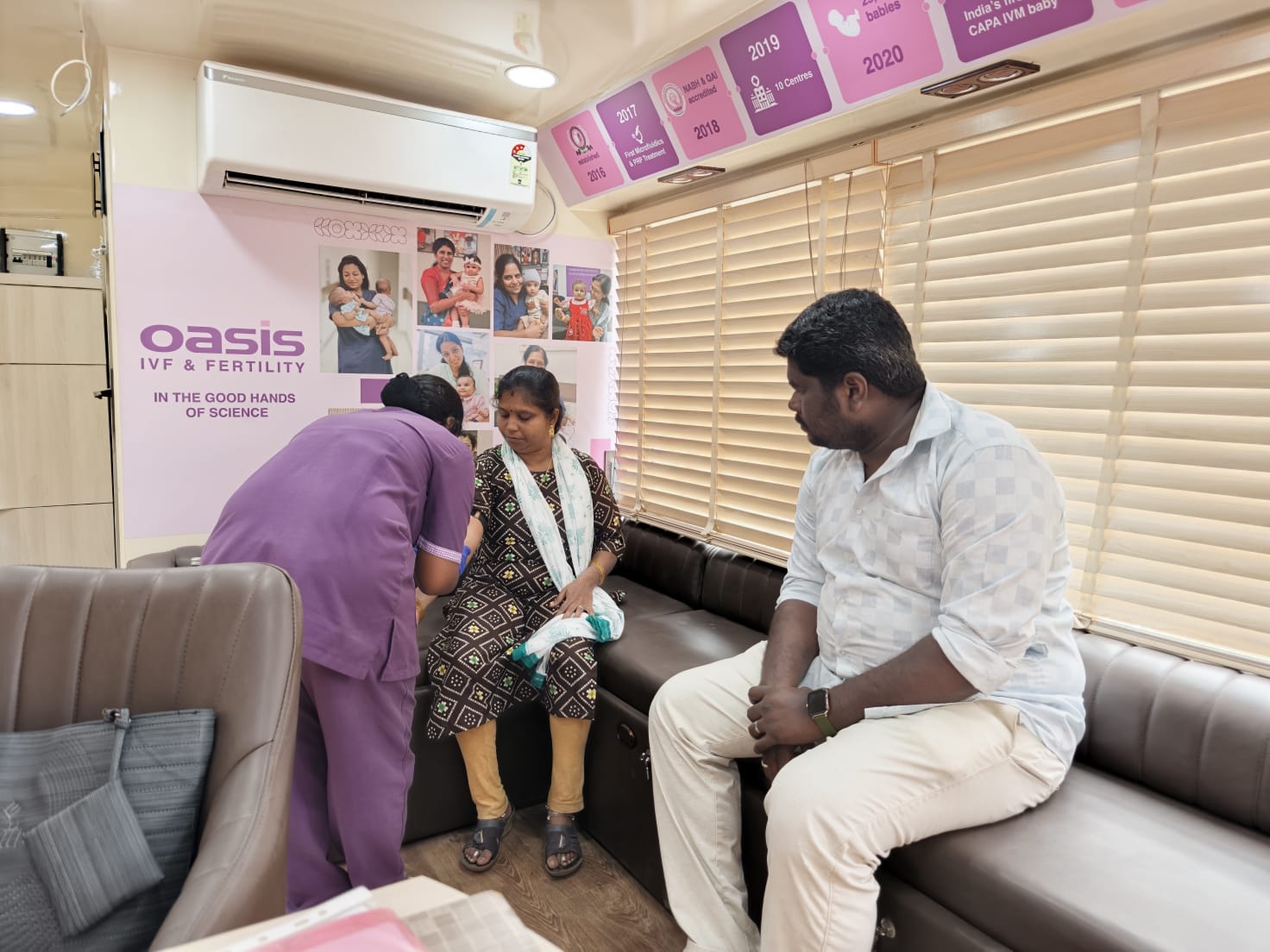
Many assume that a fertility visit means expensive procedures, discouraging even basic consultation. The mobile clinic model helps change that first interaction. By bringing doctors, counsellors, and diagnostic support directly into communities, we remove those initial barriers. This also creates a more approachable environment where individuals can seek information without feeling intimidated because it becomes less about “treatment” and more about guidance, which makes all the difference.
Q. One of the goals of the Oasis Janani Yatra is to encourage conversations around infertility in conservative communities. What has been the response from couples and families so far, and what insights have emerged from these interactions?
A. The response has been one of the most reassuring aspects of this journey.
Across Tier 2 and Tier 3 locations we visited, we have seen a strong willingness among individuals and families to learn about fertility and reproductive health when accurate information is made accessible. In fact, the engagement is often deeper than what we see in urban settings. People sit, listen, ask questions, and genuinely try to understand. That moment of understanding often becomes the turning point in an individual’s journey.
We’ve also seen a noticeable change when men are part of the conversation. Fertility discussions in India have traditionally centred around women, but when both partners sit together and understand the issue as a shared responsibility, it changes outcomes.
Families are increasingly receptive to discussions around fertility when conversations are conducted with sensitivity and scientific clarity. These interactions reinforce the importance of community engagement and highlight the need for sustained awareness initiatives that normalize conversations around reproductive health.
Q. How important is early fertility screening and awareness in improving reproductive health outcomes, and what misconceptions do you most frequently encounter during your outreach efforts?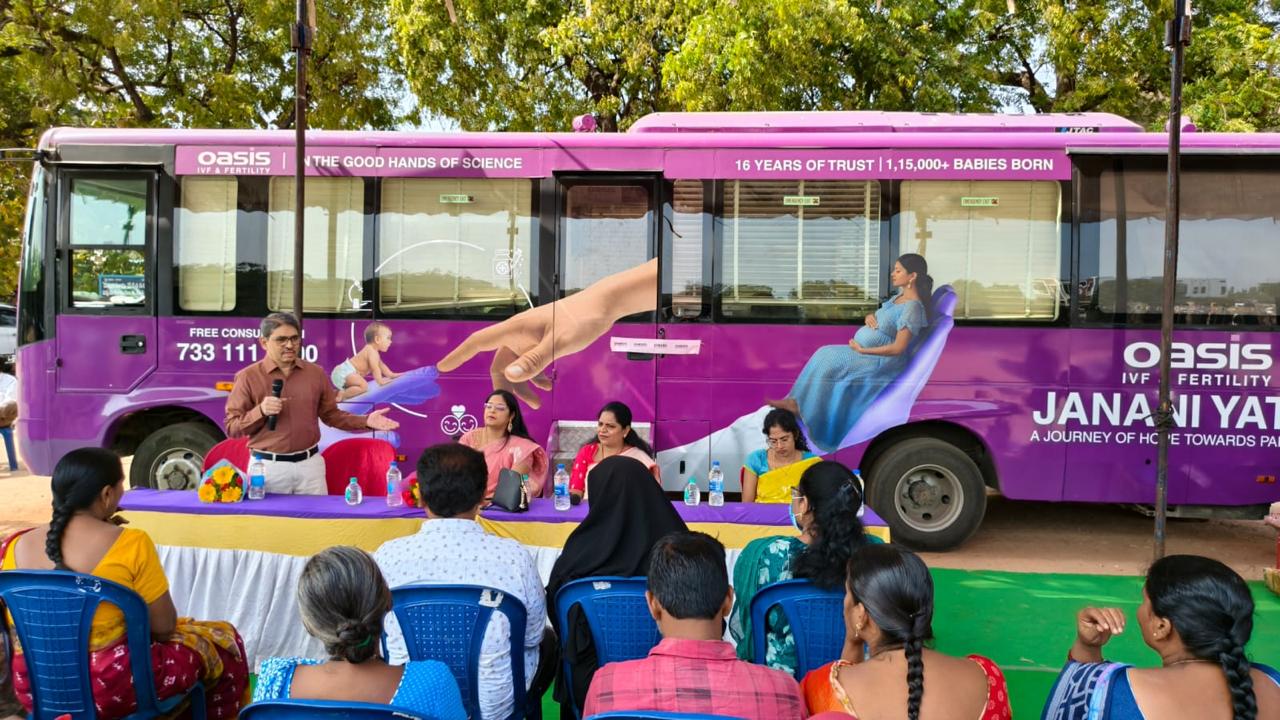
A. If there is one message we consistently emphasize, it is: don't wait. One of the most common patterns we see is unintentional delay-people assume they have time, only to discover later that age or other biological factors have affected their fertility.
We also encounter several persistent misconceptions: that IVF is the only treatment option, that infertility is primarily a woman's issue, or that fertility remains unaffected by age. Many are unaware of the impact that lifestyle factors, underlying medical conditions, and delayed childbearing can have on reproductive health.
Another misconception that continues to persist is that children born through IVF are somehow different from other children. The reality is that IVF-conceived children are just as healthy and normal as any other child. Addressing such myths is an important part of our awareness efforts. Through initiatives such as the Oasis Ayushmann Scholarships and our IVF – India's Vibrant Future campaign, we are helping normalize fertility treatment, celebrating IVF families, and highlighting that every child born through science can contribute to India's vibrant future.
Perhaps most importantly, we meet couples who spend years trying to conceive before seeking medical advice, believing fertility care is only needed as a last resort. Early evaluation can often provide clarity, expand treatment options, and improve outcomes.
Q. The initiative offers free consultations and fertility-related tests. How do these services help individuals and couples make informed decisions about their reproductive health at an earlier stage?
A. Consultations and basic screening serve as an important first step for many individuals who may otherwise delay seeking help. Often, the biggest barrier is not cost but uncertainty. These services provide clarity about fertility health, potential risks, and the options available moving forward and help explore simpler interventions before complications arise.
In many cases, what people need is not complex treatment, but timely guidance on lifestyle changes, family planning, or basic medical care. Early screening helps identify concerns sooner, encourages informed decision-making, and enables preventive action before challenges become more complex.
By removing both financial and psychological barriers, we are empowering more people to take that first step earlier and make confident decisions about their reproductive health.
 Q. Can you share any early learnings, success stories, or examples that demonstrate the impact of bringing fertility awareness and screening services directly to communities?
A. Real impact begins with a simple moment of clarity at the right time. One of our biggest learnings from the Oasis Janani Yatra has been the significant demand for credible fertility awareness and expert guidance, particularly among individuals who had never previously consulted a fertility specialist.
One of the most encouraging outcomes has been seeing awareness translate into action, with many participants taking the next step toward evaluation and care.
The initiative has also reinforced the power of face-to-face engagement. Conversations conducted in a person's own language and within their local context create greater trust and understanding than information delivered remotely. Beyond individual outcomes, the Janani Yatra is helping spark broader community conversations around reproductive health, contributing to greater awareness and reducing the stigma surrounding infertility.
Q. The Oasis Janani Yatra is being implemented with support from various stakeholders. How have collaborations with government bodies and other partners helped strengthen the initiative and enhance its reach and effectiveness?
A. True, addressing fertility at scale requires a multi-stakeholder approach, and collaboration has been central to the Oasis Janani Yatra’s impact.
By engaging government officials, local authorities, community leaders, healthcare professionals, and civil society organizations, we have been able to expand our reach and connect with communities more effectively. Their participation in outreach activities helps build trust, encourages greater engagement, and reinforces a shared commitment to improving reproductive health outcomes.
These partnerships have been instrumental in delivering fertility awareness, education, and screening services to individuals who may otherwise have limited access to such information and care. We express our sincere gratitude to all the government officials, public representatives, community leaders, healthcare professionals, and partner organizations who have supported this initiative. Their encouragement, participation, and commitment have played a vital role in helping us take fertility awareness closer to the communities that need it most.
Q. Looking ahead, what are your plans for expanding the reach and impact of the Oasis Janani Yatra, and what role do you see such community-based models playing in India's reproductive healthcare ecosystem?
A. Looking ahead, the Oasis Janani Yatra is no longer a one-time initiative. Our goal is to continue expanding its reach and bring fertility awareness, education, and screening services to more communities across India, particularly in regions where awareness remains limited.
Community-based models like the Oasis Janani Yatra have an important role to play in India's reproductive healthcare ecosystem. Advanced treatments alone are not enough; healthcare information and counselling must reach people where they live. By encouraging earlier conversations around fertility and reproductive health, such initiatives can support timely diagnosis, informed decision-making, and reduced stigma. We believe the future of healthcare lies not only in advanced treatments, but also in proactive outreach, education, and preventive care delivered closer to communities.




.png)