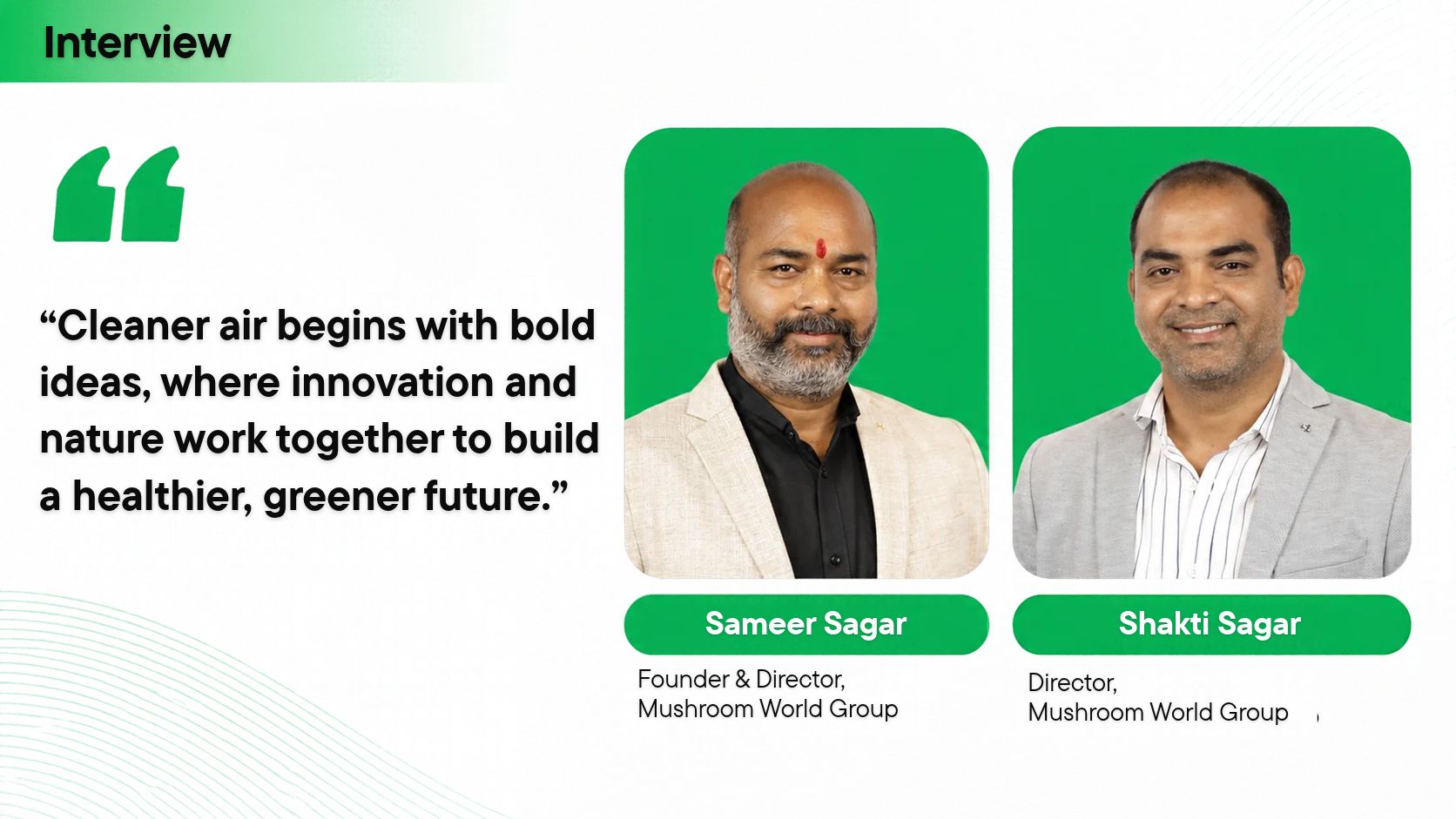
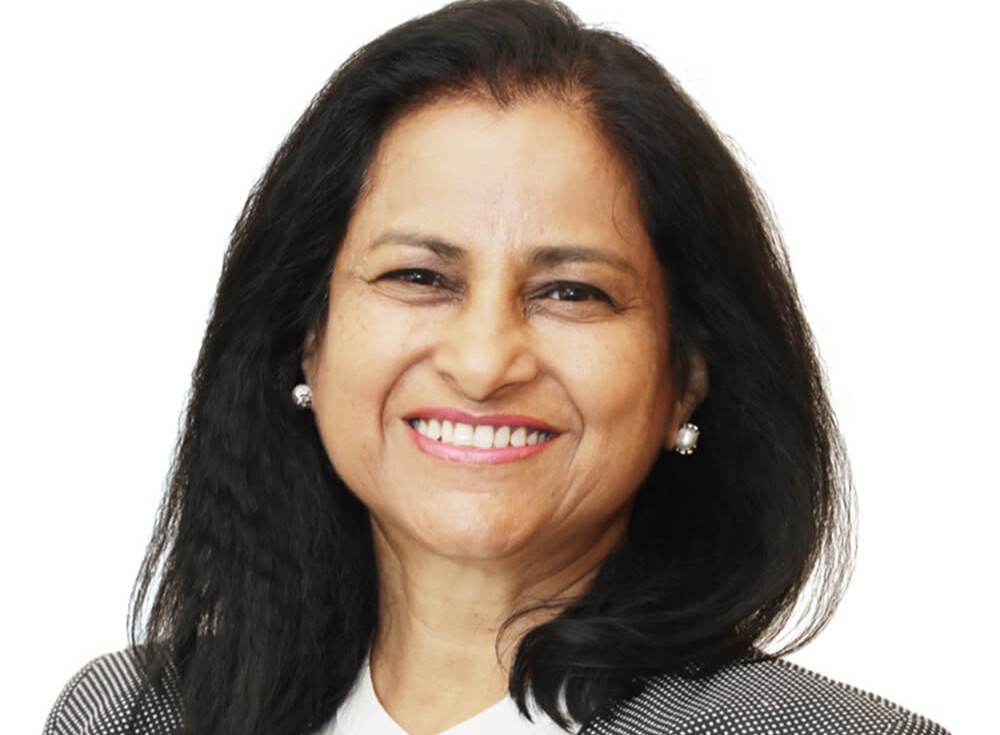
Foundational Learning is the Bedrock of India's Human Capital: Dr. Sunita Gandhi
As India advances toward its vision of becoming a developed nation by 2047, strengthening Foundational Literacy and Numeracy (FLN) has emerged as a key priority for unlocking the country's demographic dividend. While initiatives such as the National Education Policy (NEP) 2020 and the NIPUN Bharat Mission have brought renewed focus to foundational learning, ensuring that every child acquires essential reading and numeracy skills remains a significant challenge.
In this conversation with TheCSRUniverse, Dr. Sunita Gandhi, Founder, DEVI Sansthan, shares her perspective on the current state of foundational learning in India and why FLN should be viewed not merely as an education programme, but as a critical building block for the country’s future workforce and economic development. Drawing from DEVI Sansthan’s ALfA (Accelerating Learning for All) approach, she discusses how peer learning and activity-based methods are helping improve learning outcomes while building children’s confidence and engagement in the classroom.
Dr. Gandhi also reflects on the long-term social and economic implications of weak foundational learning, the implementation challenges that continue to affect progress, and the role CSR investments can play in strengthening learning outcomes. Emphasizing that future skills and employability are rooted in strong early learning, she highlights the need to view FLN as an essential investment in building a skilled, capable, and future-ready India.
Scroll down to read the full interview:
Q. As leader of DEVI Sansthan, what is your thought on the current status of FLN in India? Could you please share any initiative on FLN that DEVI Sansthan has taken over the last few years, as well as future plans?
A. Whenever I visit a classroom, I ask myself a simple question: Can this child read with confidence? Can they understand what they are learning? Because when a child struggles in the early years, they slowly begin to feel left behind, and no child should feel that way.
India’s focus on Foundational Literacy and Numeracy gives me hope, but we must also acknowledge that many children are still sitting in classrooms without truly understanding what is being taught. Over time, some lose confidence and begin to believe learning is not for them. For me, that is the real crisis.
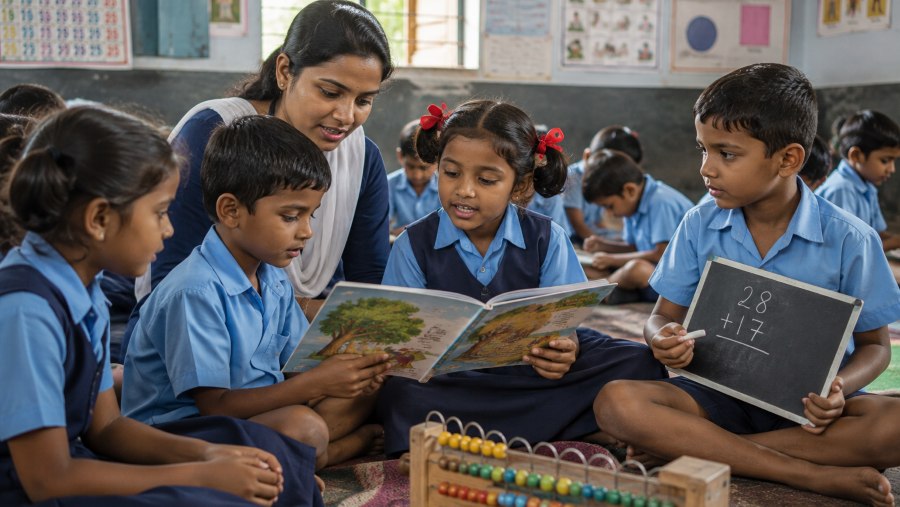
At DEVI Sansthan, we believe every child can learn when learning is joyful, active, and encouraging. This belief led us to develop ALfA (Accelerating Learning for All), where children learn with and from one another through peer learning and activity-based methods.
I have seen struggling children suddenly begin helping others read, and in that moment, something powerful changes their confidence returns. That is what inspires our work.
My dream is simple: that no child in India feels left behind, and every child learns to read, think, and enjoy learning from the very beginning.
Q. What, according to you, are the long-term economic costs of weak foundational literacy in India?
A. When a child struggles to read in the early years, the impact rarely stays inside the classroom, it quietly follows them through life.
Over time, this affects much more than academics. Confidence fades. Opportunities become harder to reach , not because the child lacks intelligence or potential, but because the foundation was never strong enough.
When this happens to millions of children, it becomes not just an education challenge, but a national one. We often speak of India’s demographic dividend, but our children can only thrive if they first gain the confidence and ability to learn. Foundational literacy is where problem-solving, communication, confidence, and independent thinking begin.
Too often, we try to repair these gaps much later through skilling or remedial support, when many struggles could have been prevented through strong early learning.
For me, FLN is deeply human. It is about giving every child the confidence to participate, the dignity to dream, and the opportunity to build a better future for themselves and their families.
Q. What are your thoughts on the existing FLN solutions being implemented by various stakeholders? Where do you see the major scope gaps and implementation challenges?
A. I feel hopeful today because there is a growing recognition across India that foundational learning matters. Governments, teachers, schools, non-profits, and CSR organizations are all trying to help children learn better, and that shared commitment gives me optimism.
At the same time, I believe we must pay closer attention to the everyday reality of children and classrooms. Sometimes, in our effort to improve systems and programmes, we risk overlooking the child quietly sitting in the last row, confused, hesitant, or slowly losing confidence.
I often think about the child in Grade 5 who still struggles to read a simple passage but feels too embarrassed to speak up. When children fall behind early and do not receive the right support, they often carry that struggle silently for years.
I also feel we must rethink what learning looks like. Children learn best when they are curious, talking, helping one another, asking questions, moving, and participating. A classroom filled with discussion and excitement may seem noisy, but very often, that is where real learning is happening.
Over the years, one lesson has stayed with me: the best solutions are often the simplest approaches that make learning joyful, build confidence, support teachers, and most importantly, help every child feel, “Yes, I can learn.”
Q. How can CSR investments in FLN be aligned with workforce development goals?
A. I would encourage CSR leaders to think about Foundational Literacy and Numeracy not only as an education investment, but as an investment in people’s lives and futures.
When we speak about workforce development, we often imagine skilled professionals, innovators, entrepreneurs, and responsible citizens. But those journeys begin much earlier than we realize in a child learning to read, think independently, and solve problems.
Behind every future engineer, nurse, teacher, entrepreneur, or community leader is a child sitting in a classroom today. If that child struggles to read, understand, or work with numbers in the early years, confidence often weakens long before career opportunities even appear.
This is why I believe CSR has a powerful opportunity to invest where transformation begins. Supporting foundational learning is not only about literacy and numeracy; it is about nurturing confidence, curiosity, resilience, and hope.
In many ways, investing in FLN is investing in the dreams, dignity, and future potential of millions of children and through them, in India’s future itself.
Q. What kind of policy or funding shifts are needed to treat FLN as infrastructure toward better education and skilling?
A. I believe we need to stop seeing Foundational Literacy and Numeracy as just another programme and begin seeing it for what it truly is, the foundation on which a child’s future is built.
Strong foundational learning in the early years shapes a child's ability to participate, ask questions, and pursue opportunities later in life. That child begins to participate, ask questions, dream a little bigger, and believe, “I can do this.” Strong foundations do not only improve learning; they open doors to opportunity throughout life.
This is why we must invest patiently and consistently in children, teachers, and classrooms. Teachers especially need practical support, encouragement, and methods that work in real classrooms so they can help every child progress, especially those who have quietly fallen behind.
Attendance alone cannot be our measure of success. We must ask: Is the child learning? Is the child confident? Does the child feel capable?
To me, every conversation about India’s future whether about jobs, skills, growth, or equity should begin with one simple question: Are we helping our children learn well in the earliest years of life? Because when we get that right, we give children not only an education, but possibility, confidence, and hope for the future.



.png)