
Ecolab Watermark 2025 Study Highlights Smarter Water Use as Critical to India’s AI Growth
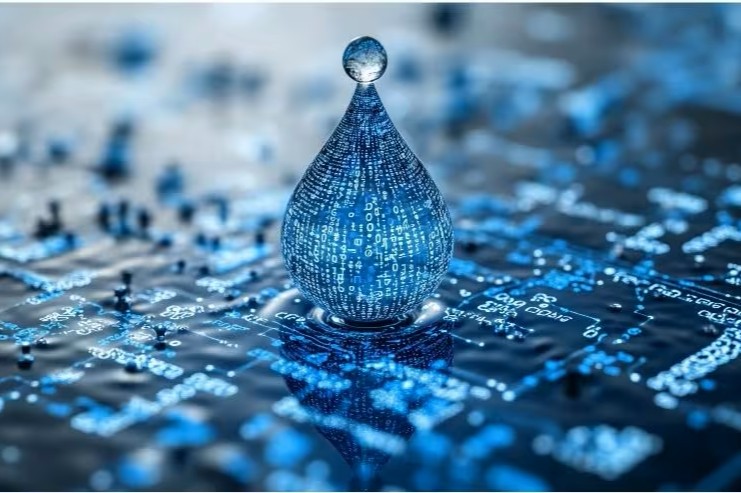
Mumbai, January 13, 2026: Ecolab has released the India findings from its third annual Ecolab Watermark Study, underscoring the growing importance of water stewardship as India’s artificial intelligence (AI) and digital infrastructure rapidly expand. The study examines public perceptions of water challenges and the role of businesses and governments in addressing them, linking water management directly to the sustainability of AI-driven growth.
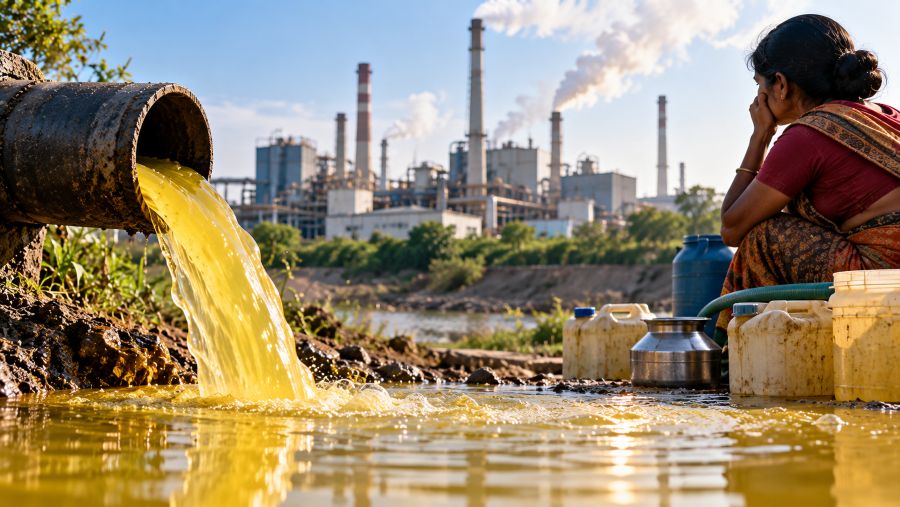
According to the study, India shows strong optimism about the promise of AI, but awareness of its hidden water footprint is still evolving. Around 70% of Indian consumers recognise that AI has a significant water footprint, while 86% associate AI with high energy use. As data centres, semiconductor facilities and advanced manufacturing scale up, expectations from businesses are also rising. More than two-thirds of respondents believe that water conservation and reuse are essential for long-term business growth, and nearly 64% feel that water used to power AI may be diverting resources and worsening water scarcity for communities.
“By 2050, the world will have nearly 30% more people and require 47% more energy. Water demand will continue to surge, yet by 2030, the world already faces a projected 56% water deficit,” said Christophe Beck, Chairman and Chief Executive Officer at Ecolab. “The AI boom is helping to shape this future, unleashing the potential for new business growth and transformative innovation. At the same time, every week a new data center opens, and every month a new fab comes online. While we can create more of the energy these facilities need, we cannot create more of our most vital resource – water. For India, where both industrial expansion and digital infrastructure are accelerating, water circularity must become a core business strategy.”
The research also highlights strong confidence in technology as part of the solution. About 82% of respondents across the India, Middle East and Africa region agree that investing in technology and infrastructure is essential to mitigate water impacts from climate change. “Global consumers recognize smart water management is essential for a resilient future, and they expect businesses to lead with both transformative technologies and transparent action to make it a reality,” said Emilio Tenuta, Chief Sustainability Officer at Ecolab. “Businesses have an opportunity to harness the power of AI and deliver impact-driven water solutions that meet the needs of local communities, while also driving innovation and business growth.”
Within India, perceptions of action are relatively positive. The study found that 76% of consumers believe governments are actively reducing, reusing and recycling water in daily operations, while 71% say the same about businesses. However, across other regions, confidence in such efforts remains significantly lower, highlighting a global gap between expectations and perceived action.
India’s fast-growing digital economy presents both opportunity and risk for water security. With global water reuse rates still below 20%—and under 10% in the microelectronics sector—the findings point to the need for deeper cross-sector collaboration to embed reuse, recycling and AI-enabled water management into growth strategies.
“AI can make India’s water systems intelligent. When every litre is measured, analysed, and reused, water stops being a constraint and becomes a competitive advantage. Water security isn’t just an environmental goal, it’s an economic imperative for India’s next phase of growth,” said Manish Khandelwal, Managing Director, Ecolab India.
Ecolab said it is already working with industries across India to deploy AI-driven water management solutions that reduce freshwater withdrawal, improve cooling efficiency and enable near-zero liquid discharge operations. These technologies, the company noted, can help facilities achieve up to 40% lower water use per unit of output in water-stressed regions.